

RBNZ's New Era: Anna Breman Pledges 'Laser Focus' to Restore Stability and Anchor the NZD
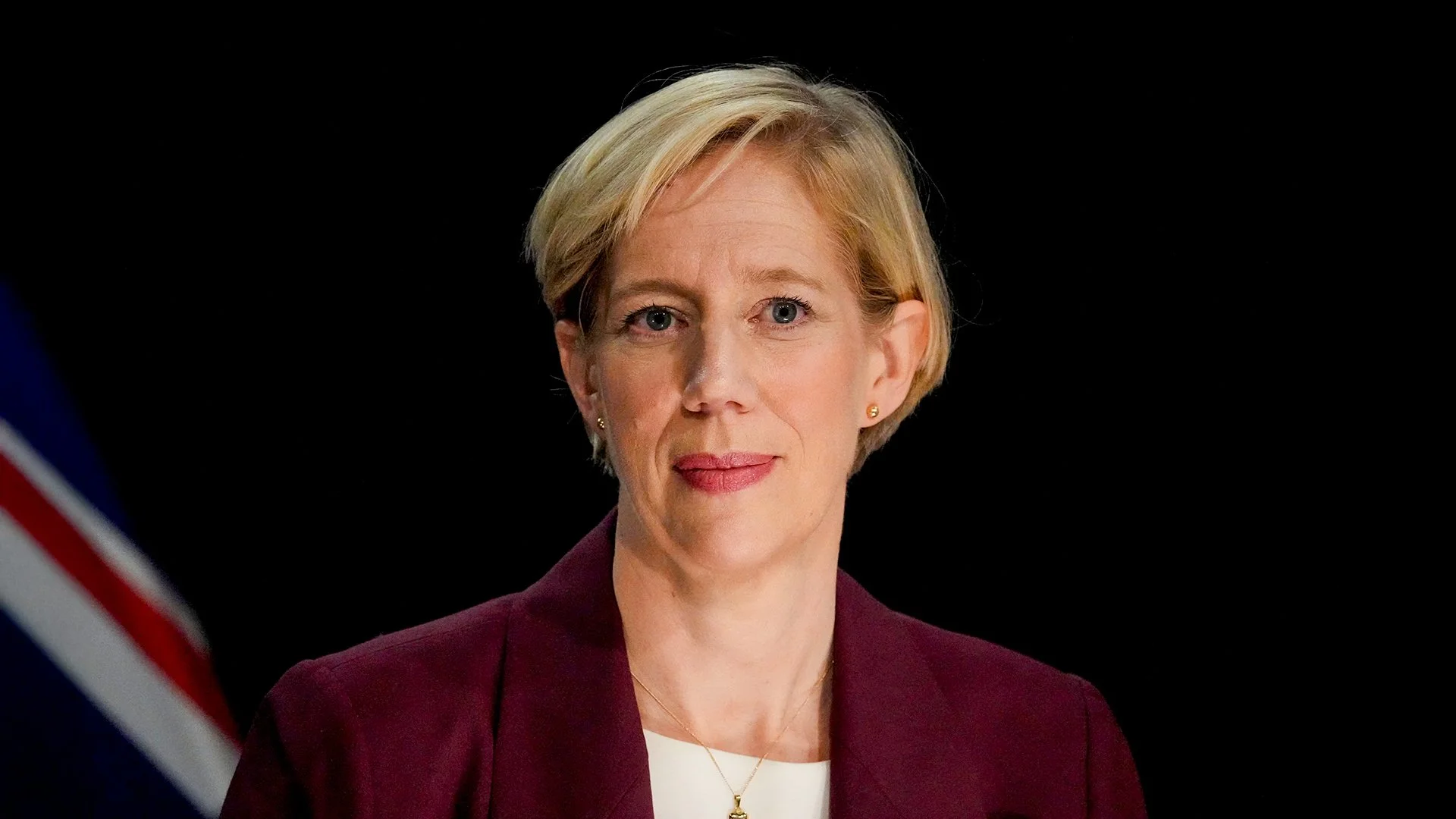
On her second day in office, the new Governor of the Reserve Bank of New Zealand (RBNZ), Anna Breman, appeared before Parliament’s Finance and Expenditure Select Committee (FEC). Breman, formerly the First Deputy Governor of Sweden’s central bank, delivered a clear and confident message: the RBNZ is committed to staying “laser focused on our core mandate”—a powerful statement intended to reassure both domestic households and international financial markets.
This mandate, Breman stated, rests on three non-negotiable pillars: low, stable inflation, a stable financial system, and a safe and efficient payment system. The commitment to price stability is the crucial factor that drives the RBNZ’s monetary policy decisions, directly impacting the Official Cash Rate (OCR) and, consequently, the value of the New Zealand Dollar (NZD) on the global Forex market.
The Firm Wall Between Monetary and Fiscal Policy
A key challenge for any central bank is managing the perception and reality of its independence from the government’s spending and taxing policies. Breman was quick to address this separation when asked about the relationship between monetary and fiscal policy.
She was resolute: the RBNZ's core function is to use its main tool, the OCR, to achieve its inflation target (the RBNZ aims to keep inflation between 1% and 3% over the medium term). While acknowledging that the overall developments in the general economy are also affected by fiscal policy, she affirmed that fiscal decisions are the sole responsibility of Parliament and the Government.
This boundary is essential for Forex Trading for Beginners to understand. Central bank independence ensures that monetary decisions are made purely for economic stabilization (i.e., controlling inflation) rather than political expediency (i.e., funding government spending). This institutional clarity reduces governance risk and is a fundamental stabilizing factor for the NZD/USD and other currency pairs.
Protecting the Vulnerable: Breman passionately articulated the rationale behind the inflation focus, stating: "High inflation hurts everyone but it particularly hurts households with low incomes... It eats real wages for households." By prioritizing price stability, the RBNZ aims to create the conditions for sustainable economic growth and a healthy labor market, asserting that you will not have a strong labour market unless inflation is low and stable in the long run.
The Influence of Interest Rates on the NZD
The RBNZ’s recent decision to cut the Official Cash Rate (OCR) to 2.25% (in November 2025) and signal a likely pause in the easing cycle highlights the delicate balance between stimulating economic activity and maintaining price stability. The Governor's commitment to the inflation target is the primary factor driving market expectations for the RBNZ's next meeting in February 2026.
In Forex Trading, central bank policy directly influences currency valuation:
Lower Rates, Weaker Currency: All else being equal, a lower OCR makes holding the NZD less attractive relative to currencies with higher returns, leading to a depreciation of the NZD against the USD or Australian Dollar (AUD).
Inflation Expectations: Breman’s strong focus on controlling inflation helps anchor inflation expectations among businesses and consumers. This trust in the RBNZ’s ability to hit its target is crucial for the long-term stability of the NZD, providing a more predictable environment for global investors.
This kind of detailed analysis of central bank communication, connecting rhetoric to interest rate probability, is a cornerstone of advanced education in Global Markets Eruditio.


Restoring Credibility Through Transparency and Diversity
Governor Breman takes the helm following a tumultuous period of internal resignations and controversy at the RBNZ. She directly addressed the need to maintain trust and credibility, pledging to enhance transparency and accountability heading into 2026.
No Group-Think
A major insight into her leadership style is the commitment to diversity in thought within the Monetary Policy Committee (MPC). Drawing on her experience at the Riksbank, Breman stated that she would encourage committee members to "formally take the opposite view" during the forecasting process to challenge assumptions and reduce the risk of group-think. This focus on intellectual rigor is vital for ensuring the best possible decisions are made in an environment characterized by global uncertainties.
The Transparency Discussion
Breman also expressed an openness to discussing whether to reveal how individual MPC members vote—a practice common among some other central banks, such as the U.S. Federal Reserve. While stressing that any solution must be “suitable for New Zealand” and not merely copying the practices of other countries, the potential for greater transparency is a positive signal for financial markets seeking deeper insights into the RBNZ's decision-making process.
Are You Tracking the NZD Through the Lens of a New Central Bank Governor?
The change in leadership at the RBNZ and the new Governor's strong focus on a core, transparent mandate are critical developments for traders of the NZD. Understanding how the Official Cash Rate (OCR) is used to achieve price stability is the key to predicting movements in currency pairs like NZD/USD and NZD/JPY.
Elevate your trading skills from a basic understanding of market news to a sophisticated analysis of central bank policy.
Join the GME Academy community today and sign up for our FREE Forex Workshop to master the fundamentals that drive the New Zealand Dollar and other major currencies.
