

Unleashing the USD Intermediary: Fed Vice Chair Bowman Calls for Smarter Regulation and FinTech Competition
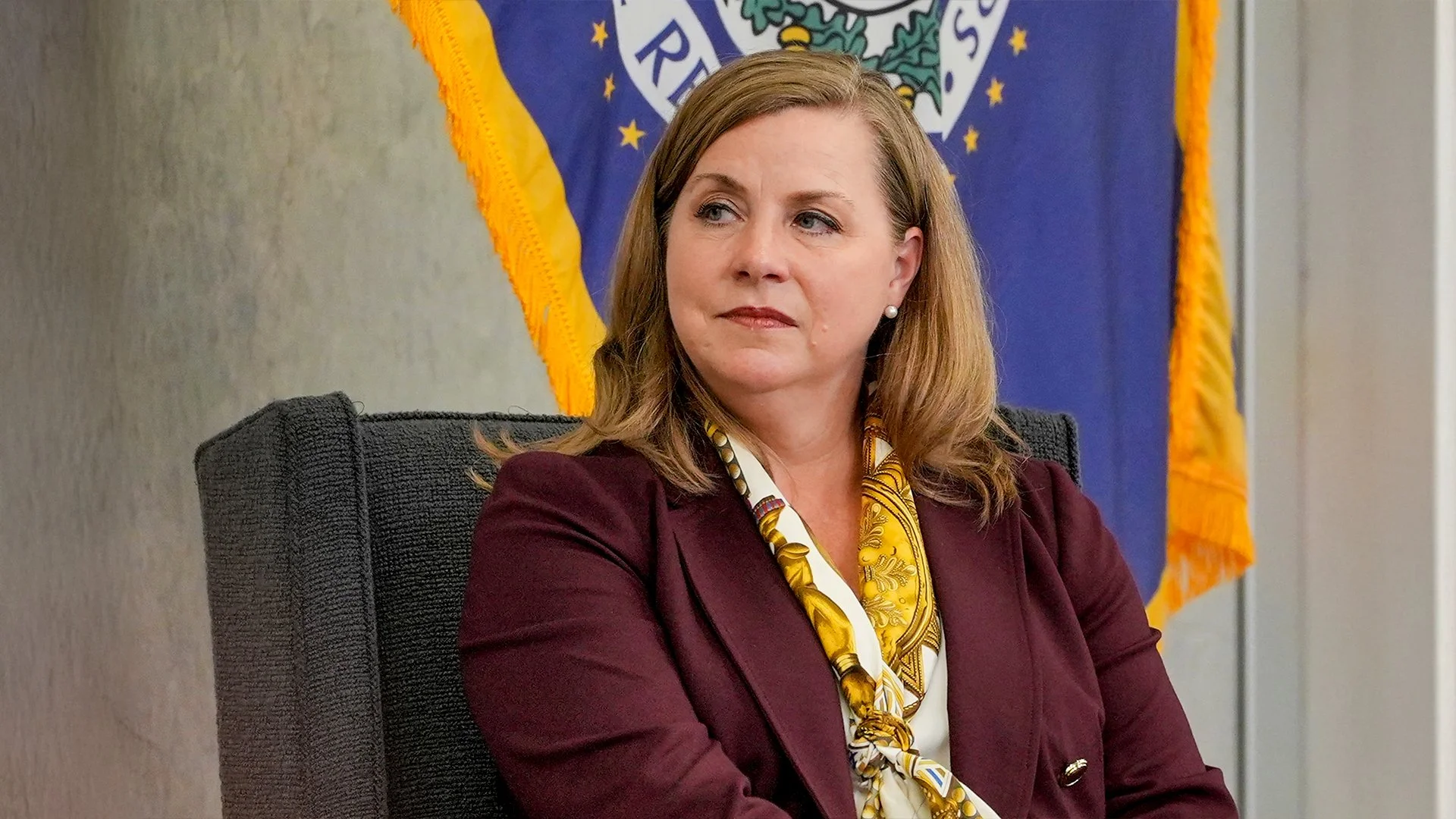
On December 2, 2025, Federal Reserve Vice Chair for Supervision Michelle W. Bowman delivered key testimony on the Federal Reserve's supervisory and regulatory agenda. While unable to discuss monetary policy due to the pre-FOMC blackout period, her remarks focused on the health of the banking sector and a clear set of priorities designed to enhance the efficiency, safety, and soundness of the U.S. financial system.
Bowman's core thesis is that supervision must evolve to support a banking system that fosters economic growth and can effectively compete with the rapidly expanding nonbank sector, which is increasingly challenging regulated banks in payments and lending without facing the same prudential standards.
Modernizing Regulation: Supporting Community Banks and Innovation
A central theme of Bowman’s testimony was the urgent need to tailor the regulatory framework, ensuring that rules designed for the largest, most complex firms do not unfairly burden smaller institutions.
1. Tailoring for Community Banks
Bowman advocated strongly for reducing the regulatory burden on community banks, whose critical role is channeling savings into local businesses and households.
Updated Thresholds: She supports Congressional action to increase static and outdated statutory asset thresholds (like those for the Bank Secrecy Act’s Currency Transaction Reports—CTRs—and Suspicious Activity Reports—SARs) that have not been adjusted for years, despite decades of economic growth. This is meant to focus resources on truly suspicious activity and prevent unnecessary burdens on smaller institutions.
Capital Flexibility: The Fed is taking its own action, including recent proposals to revise the Community Bank Leverage Ratio (CBLR) to provide greater flexibility and optionality while maintaining capital strength.
2. Embracing Digital Assets and FinTech Competition
Bowman recognized that nonbank financial institutions are aggressively taking market share from regulated banks. She called for empowering banks to innovate and compete effectively, particularly in the growing areas of FinTech and digital assets.
Clarity on Digital Assets: The Fed is working with other regulators to develop capital, liquidity, and diversification regulations for stablecoin issuers as required by the GENIUS Act. Bowman emphasized the need for clarity on the permissibility of digital asset activities and a willingness from the regulator to provide feedback on new use cases. This responsible encouragement of innovation is crucial to ensure the banking system remains relevant and the primary intermediary for the US Dollar (USD) in the digital age.
The Four Pillars of Large Bank Capital Reform
The Vice Chair detailed a substantial agenda to modernize and simplify the regulation of large banks, focusing on four key pillars of the capital framework:
Stress Testing Transparency: A proposal was recently released to enhance the transparency and public accountability of the stress testing framework, including the disclosure of models and scenarios for the 2026 stress tests. This reduces volatility and ensures that future changes benefit from public input.
Supplementary Leverage Ratio (SLR): The banking agencies recently finalized changes to the enhanced SLR for U.S. Global Systemically Important Bank Organizations (G-SIBs). These modifications ensure the leverage ratio serves as an intended backstop to risk-based capital requirements. This change is vital as, when the leverage ratio becomes the binding constraint, it inadvertently discourages G-SIBs from engaging in low-risk activities, such as holding U.S. Treasury securities and facilitating market liquidity—a key component of stability in global Forex Trading.
Basel III: The Board is moving forward to finalize the implementation of the Basel III framework. Bowman is focused on addressing the calibration of the new framework from the bottom up, particularly for the capital treatment of mortgages and mortgage servicing assets, aiming to support affordable homeownership and broader market participation.
G-SIB Surcharge: The Fed is working to refine the G-SIB surcharge to ensure it is carefully calibrated. The goal is to maintain a robust financial system without imposing unnecessary burdens that impede economic growth or inhibit the banking sector's ability to support the broader economy.


Sharpening the Supervisory Focus
Bowman dedicated a significant portion of her testimony to reforming the supervisory process itself, centering on the principles of transparency, accountability, and fairness. This commitment to clear, risk-based oversight is vital for financial market confidence.
Risk-Based Supervision: The framework must be risk-based by design, focusing resources on material risks to bank operations and broader financial stability, rather than on immaterial administrative deficiencies.
Ending Reputational Risk: The Federal Reserve officially ended the practice of using reputational risk in its supervisory program. This addresses legitimate concerns that an ambiguous concept was improperly influencing banks' business decisions.
Addressing "De-banking": Bowman strongly affirmed that banking supervisors will "never, and will not under my watch, dictate which individuals and lawful businesses a bank is permitted to serve." She is considering a regulation to prevent Board personnel from encouraging or compelling banks to deny service based on political or religious beliefs, ensuring banks remain free to make their own risk-based decisions.
The comprehensive regulatory and supervisory reforms outlined by Vice Chair Bowman underscore a commitment to promoting a highly competitive, adaptable, and safe financial system, which is a necessary prerequisite for the stability of the US Dollar and efficient operation of global markets.
This deep dive into the regulatory architecture is essential for anyone interested in the dynamics of capital movement and risk management. Understanding the rules that govern the large banks, especially regarding capital and liquidity, is a fundamental component of Global Markets Eruditio that influences everything from the price of Treasury bonds to the stability of the EUR/USD currency pair.
Are You Tracking the Risk Rules That Drive Forex Volatility?
The regulations governing the world’s largest financial institutions have a direct, material impact on market liquidity and stability. Reforms to the Basel III framework, stress testing, and the SLR create massive shifts in capital flows.
To master the nuances of Forex Trading, you must understand the supervisory framework shaping the banks that execute nearly all trades.
Join the GME Academy community today and sign up for our FREE Forex Workshop to learn how to translate these complex financial regulations into clear trading insights, especially when assessing the strength and stability of the US Dollar.
