

The Anchor of Trust: Governor Macklem’s Blueprint for "Good Money" in a Protectionist Era
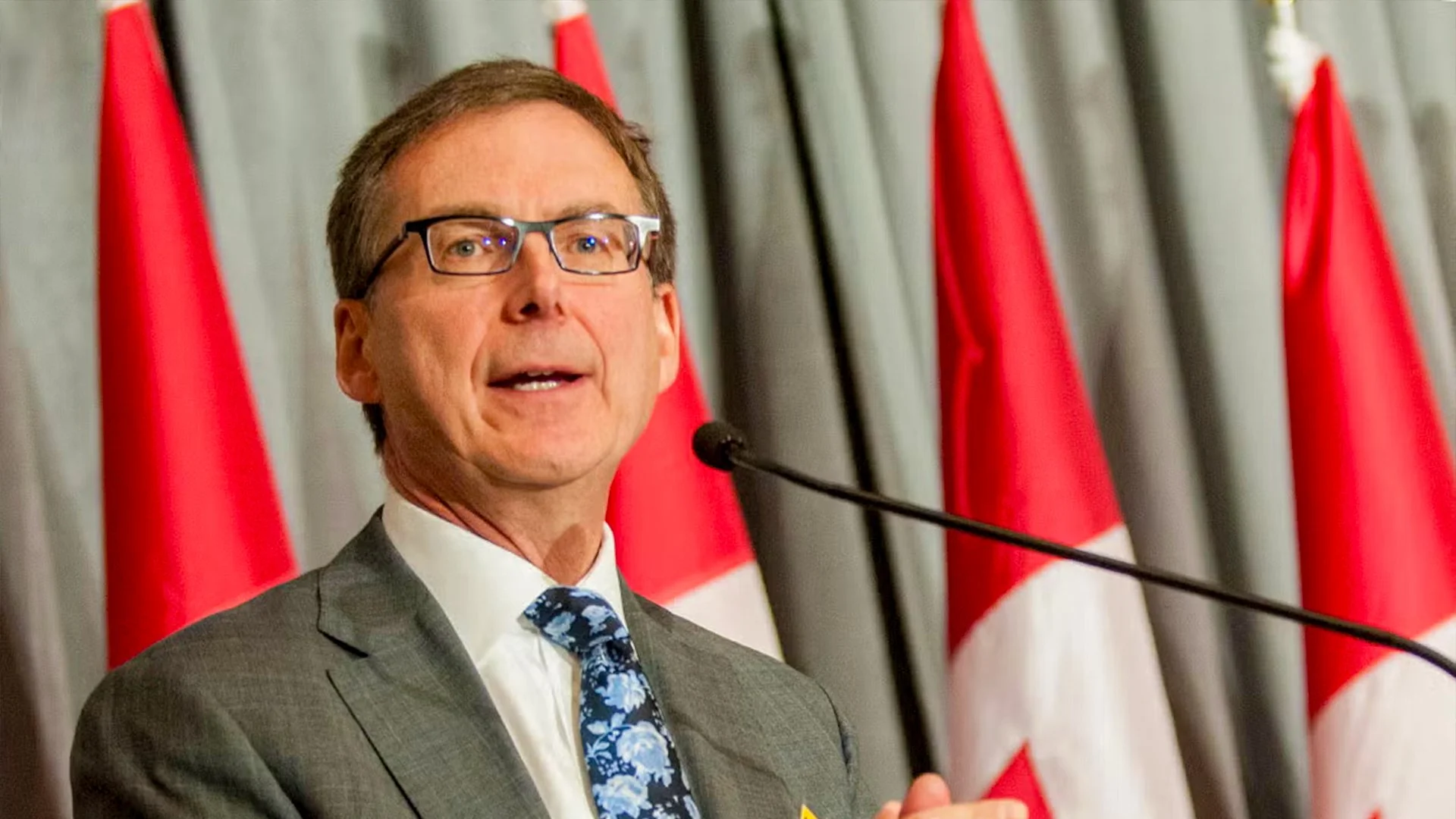
Amid a global "swerve to protectionism" and the structural shock of US tariffs, Bank of Canada Governor Tiff Macklem delivered a definitive year-end address in Montréal. His message was clear: in an era of trade upheaval and digital innovation, the central bank’s ultimate product is trust. From the introduction of the new vertical $20 bill to the regulation of stablecoins, the Bank is positioning itself as the "one-stop shop" for money that stays safe, stays at par, and maintains its purchasing power.
For Forex Trading participants, Macklem’s focus on the 2% inflation anchor and the resilience of the Canadian Dollar (CAD) provides a roadmap for navigating the "structural transition" of 2026.
Defining "Good Money": The Three Pillars of Trust
In his remarks at the Chamber of Commerce of Metropolitan Montreal, Macklem stripped money down to its essence. Whether it is a red polymer note or a digital entry in a ledger, money only works if it functions as a trusted medium of exchange.
1. Security: The Future of the $20 Note
Cash remains a "public good" used by 80% of Canadians. To stay ahead of evolving threats, the Bank announced a major redesign:
The New $20 Bill (2027): Featuring King Charles III and the Vimy Memorial, the new note will be vertical and include world-first anti-counterfeiting security that combines 3-D features with shifting motion technology.
Denomination Rollout: Redesigns for the $5 (Terry Fox), $50, and $100 will follow to ensure the entire physical currency suite is tamper-proof.
2. Convertibility: Regulating the Digital Frontier
As the supervisor of "money in motion," the Bank is expanding its reach into private sector innovations:
Stablecoin Oversight: Starting in 2026, the Bank will regulate fiat-backed stablecoins. Macklem’s rule is simple: for a stablecoin to be "good money," it must be pegged 1-to-1 to a central bank currency and backed by high-quality liquid assets to ensure it always trades at par.
Retail Payments: The Bank now supervises nearly 1,600 Payment Service Providers (PSPs), ensuring that digital wallets and cross-border transfers are as safe as traditional bank deposits.
3. Stability: The 2% Inflation Anchor
Despite the "tariff-induced" noise in 2025, Macklem reaffirmed that the 2% inflation target is not up for debate.
The 2026 Framework Renewal: Every five years, the Bank reviews its toolkit. In 2026, they will explore how to better communicate the link between inflation and housing affordability and how to manage policy in a "more shock-prone world" of trade disruptions and climate change.


Economic Outlook: Navigating the "Swerve to Protectionism"
The backdrop of Macklem’s speech was the "structural adjustment" forced by US trade policy.
Policy Rate (2.25%): The Governing Council held the rate steady in December, judging it to be at the "neutral" level required to keep inflation near 2% while the economy adapts to tariffs on steel, aluminum, and autos.
Resilience Amid Tariffs: While trade-sensitive sectors have been hit hard, Macklem noted that the overall economy has proven resilient. GDP grew 2.6% in Q3 2025, though growth is expected to stay weak into early 2026 as net exports decline.
Forex Trading: The "Structural Transition" of the CAD
For those engaged in Forex Trading, Macklem’s "neutral" stance and commitment to the 2% target suggest a period of stability for the Loonie (CAD) relative to its peers.
Divergence Play: While the US deals with "price shocks" from its own tariffs, the Bank of Canada is betting that economic slack will offset cost pressures. This could make the USD/CAD a battleground between US inflation spikes and Canadian growth resilience.
Real-Time Rail (RTR): The 2026 launch of the Real-Time Rail will allow for instant, 24/7 payments. This modernization of the "plumbing" makes the Canadian financial system more competitive, potentially attracting more capital into the CAD ecosystem.
GME Strategy: In Forex Trading for Beginners, it’s vital to see that a central bank's "trust" is a currency's greatest asset. Macklem’s proactive regulation of stablecoins and open banking reduces sovereign risk, making the CAD a more attractive "safe-haven" compared to less regulated digital markets.
Ready to Trade the "Stability" of the Canadian Economy?
Governor Macklem has laid out the path for a modern, secure, and stable Canadian monetary system. But how do these policy shifts translate into pips on your screen?
Join our FREE Forex Workshop today to learn how to trade the USD/CAD and interpret central bank speeches to stay one step ahead of the global markets!
