

A 25% Shockwave: How Trump’s Iran Tariff Ultimatum Could Reshape Global Forex Markets
When One Line Moves Markets
“Effective immediately.”
Those two words are often enough to make traders sit upright—but when they come from Donald J. Trump and involve Iran, tariffs, and the United States, the ripple effects can be global.
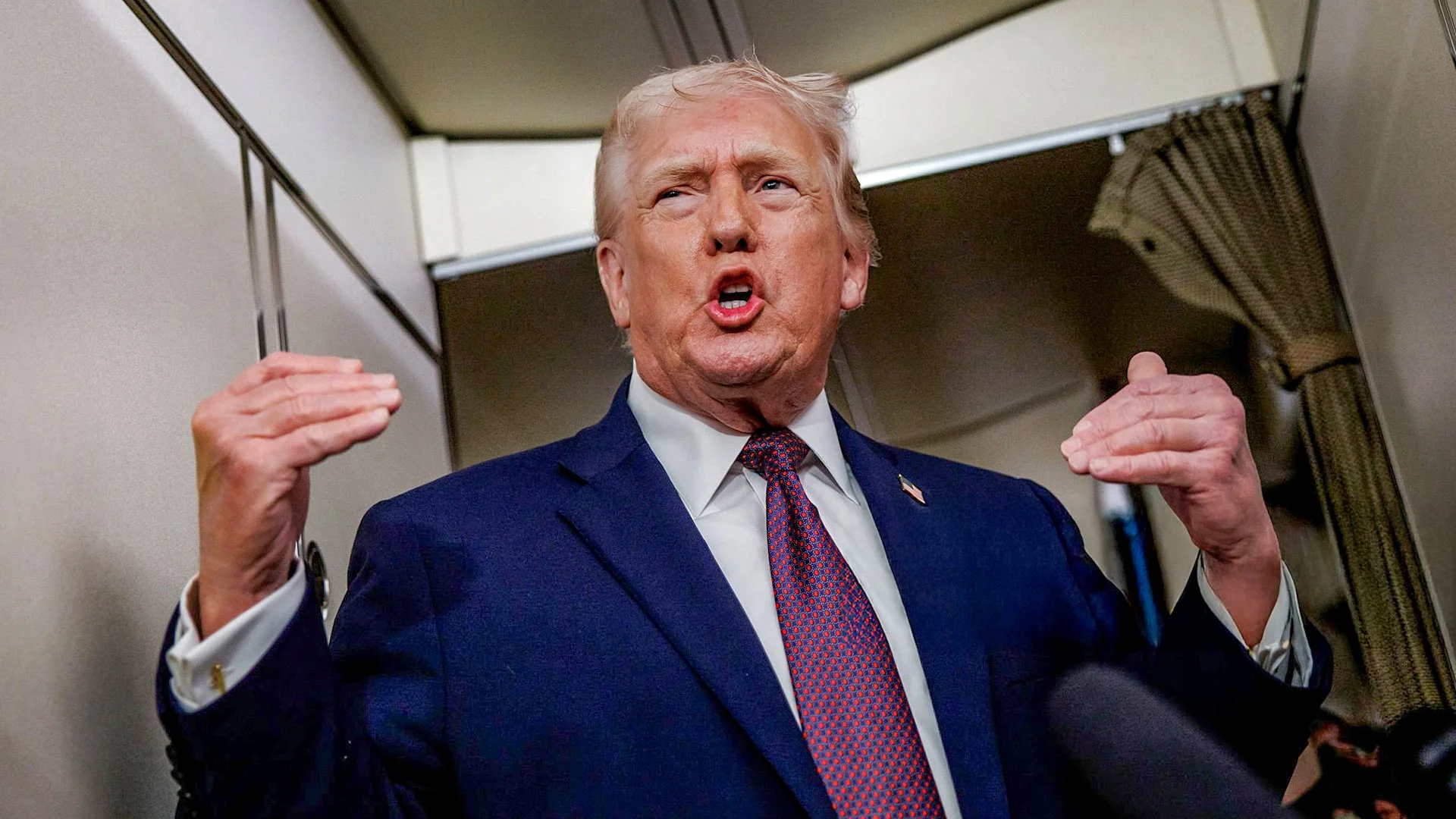
In a blunt declaration, President Trump announced that any country doing business with the Islamic Republic of Iran will face a 25% tariff on all trade with the United States. The order was described as final and conclusive, leaving little room for negotiation or gradual adjustment.
For policymakers, this is a geopolitical escalation.
For traders—especially those focused on Forex trading—this is a volatility trigger.
At GME Academy, moments like these are exactly where macro awareness meets market opportunity.
Why This Tariff Matters Beyond Politics
At first glance, this appears to be a foreign policy tool aimed squarely at Iran. In reality, it is a secondary sanctions mechanism, pressuring third-party countries—particularly in Europe, Asia, and the Middle East—to choose between U.S. market access and Iranian trade ties.
Countries most exposed include:
Energy importers reliant on Iranian oil
Emerging markets with limited trade diversification
U.S. allies attempting to balance diplomacy with economic survival
For markets, this introduces uncertainty, repricing of risk, and capital realignment—the three ingredients that often drive strong Forex trends.
The Immediate Forex Lens: USD Takes Center Stage
Whenever tariffs, sanctions, or trade threats emerge from Washington, the US Dollar (USD) becomes the anchor currency.
Historically, aggressive U.S. trade actions tend to:
Historically, aggressive U.S. trade actions tend to:
Strengthen the USD in the short term due to safe-haven flows
Increase volatility across USD-based currency pairs
·Pressure emerging market currencies tied to trade and energy
Key pairs to watch include:
EUR/USD – Europe has historically pushed back against Iran-related sanctions
USD/CAD – Canada’s energy exposure and trade sensitivity matter here
GBP/USD – Particularly vulnerable during periods of global trade stress
USD/JPY – A classic risk-sentiment barometer
For those new to Forex trading for beginners, this is a textbook example of how political decisions can override technical calm in seconds.
Oil, Inflation, and the Currency Domino Effect
Iran is a significant player in global energy markets. Any policy that restricts its ability to trade oil has knock-on effects:
Potential upward pressure on oil prices
Rising inflation expectations
Shifts in central bank outlooks
Higher energy prices can strengthen commodity-linked currencies like the Canadian Dollar (CAD)—but only if global demand remains stable. If the tariff threat dampens global growth expectations, risk-sensitive currencies may weaken instead.
This tug-of-war is where experienced Forex traders look for breaks in correlation, while beginners learn why fundamentals matter just as much as charts.
Cross-Economy Stress: Where Volatility May Hide
The most interesting opportunities often lie between economies, not within them.
Watch closely:
EUR/USD if the EU resists compliance or negotiates carve-outs
GBP/JPY as a proxy for risk-on vs risk-off sentiment
USD/EM pairs where emerging market exposure to Iran is higher
Tariff-driven uncertainty tends to widen spreads, increase false breakouts, and accelerate momentum once structure breaks—conditions that demand discipline and proper risk management.
What This Teaches Forex Traders (Especially Beginners)
This announcement reinforces several core trading principles we emphasize at Global Markets Eruditio:
News is the catalyst; structure is the confirmation
Political risk is not noise—it is tradable information
The USD remains the world’s reaction currency
For beginners, the lesson is not to chase headlines, but to understand how and where markets react. For experienced traders, it’s about timing entries around volatility windows and respecting liquidity shifts.
Risk or Opportunity?
Trade restrictions, sanctions, and tariffs often sound like purely political tools—but in Forex, they are market-moving events that reshape capital flows in real time.
Trump’s Iran tariff ultimatum is not just a statement. It’s a volatility catalyst with implications for the US Dollar, major currency pairs, and global risk sentiment.
If you understand how to read these moments, they stop being intimidating—and start becoming opportunities.
Ready to Trade the News with Confidence?
If you want to learn how experienced traders interpret political shockwaves like this Iran tariff announcement and translate them into structured Forex setups,
join our FREE Forex Workshop at GME Academy, where we break down real-time macro events, show you how they affect the US Dollar and major currency pairs, and teach you how to trade volatility with clarity, discipline, and proper risk management.
