

RBA's Hawkish Hold: Inflation Risks Tilt Up, Putting the Brakes on AUD Rate Cuts
The Reserve Bank of Australia (RBA) Board, in its December 9, 2025 meeting, unanimously decided to hold the Cash Rate Target steady at 3.60 per cent. However, the accompanying statement signals a critical shift in risk assessment: the risks to inflation have tilted to the upside. This hawkish pause puts a firm end to the easing cycle expected earlier this year and signals a data-dependent, cautious stance that injects near-term strength into the Australian Dollar (AUD).
The RBA's final monetary policy decision for 2025 confirms the central bank's position on the economic tightrope. While the hold was widely expected by markets, the language used in the Monetary Policy Board's statement is the key takeaway, emphasizing that the focus has abruptly shifted from managing downside growth risks to monitoring persistent inflation.
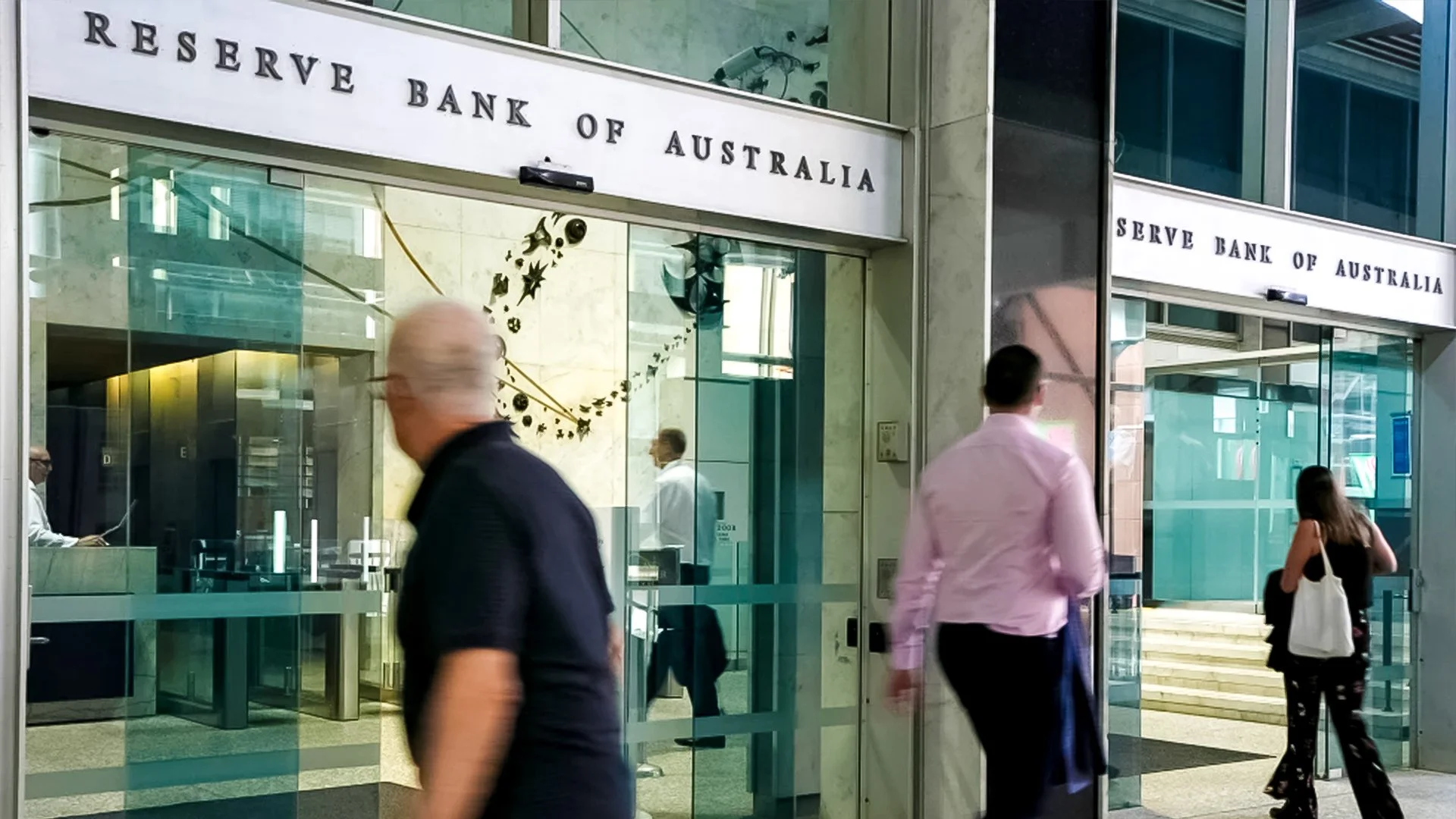
The Inflation Wake-Up Call: A Broader Pick-Up
Despite inflation having fallen substantially since its peak in 2022, the RBA noted a concerning recent pick-up, driven by both temporary factors and potentially more structural forces.
The Data Debate: The Board acknowledged the difficulty in interpreting the new monthly CPI data series but warned that the recent prints "do suggest some signs of a more broadly based pick-up in inflation, part of which may be persistent and will bear close monitoring."
Risk Reversal: The core message is clear: the Board's judgment is that "The recent data suggest the risks to inflation have tilted to the upside." This definitive statement pushes back any remaining market expectations for an immediate resumption of the rate-cutting cycle that began earlier in 2025.
The Private Sector Momentum
The decision to hold rates firm is underpinned by signs of stronger-than-anticipated domestic economic activity:
Strengthening Demand: Growth in private demand has strengthened, fueled by both consumption and investment.
Housing Market Pickup: Activity and prices in the housing market are also continuing to recover, creating further capacity pressures.
Eased Financial Conditions: The Board noted that financial conditions have eased since the beginning of the year, meaning previous interest rate cuts have not fully flowed through to dampen demand, leaving monetary policy potentially less restrictive than intended.


Labour Market Remains Tight and Costly
The labour market presents a mixed picture, but overall, it supports the RBA’s cautious inflation outlook. While the unemployment rate has risen gradually and employment growth has slowed, the Board emphasized several factors indicating persistent tightness:
Low Underutilization: Measures of labour underutilisation remain at low rates.
Capacity Strain: Business surveys continue to suggest a "significant share of firms are experiencing difficulty sourcing labour."
Sticky Wages: Although the official Wage Price Index has eased, broader measures of wages continue to show strong growth, and critically, the growth in unit labour costs remains high.
High unit labour costs are a strong predictor of persistent inflation, as they signal higher non-negotiable costs for businesses that are ultimately passed on to consumers.
Forex Trading Implications for AUD/USD
The RBA's December statement is fundamentally a hawkish hold—a firm signal that the central bank is prepared to shift back toward a tightening stance if the upside inflation risks materialize.
AUD Strength: This hawkish pivot is a major positive for the Australian Dollar (AUD). By acknowledging stronger-than-expected domestic momentum and explicitly flagging upside inflation risks, the RBA has significantly reduced the likelihood of future rate cuts and introduced the possibility of a rate hike in 2026. This widens the positive interest rate differential outlook against low-yielding currencies like the Japanese Yen (JPY) and provides immediate support against the US Dollar (USD) in the AUD/USD currency pair.
Data Dependence: The decision concludes with a strong commitment to remain "attentive to the data," making upcoming inflation releases (particularly the quarterly CPI and monthly readings) paramount for Forex Traders. The RBA is now firmly in a wait-and-see mode, balancing its dual mandate of price stability and full employment while ready to "do what it considers necessary to achieve that outcome."
For Forex Trading for Beginners, this RBA decision is a textbook example of how central banks use language to shift policy expectations without changing the current rate, dramatically altering the market's assessment of future rate movements. Understanding this shift is vital for achieving true Global Markets Eruditio.
Are You Prepared to Trade the RBA’s Policy Tightrope?
The AUD's direction is now entirely dependent on whether Australian inflation proves "persistent." Don't let the next economic release catch you on the wrong side of the AUD/USD trade.
Master the art of reading central bank forward guidance.
Join the GME Academy community today and sign up for our FREE Forex Workshop to learn how to translate the RBA's subtle shifts in risk assessment into high-probability Forex Trading strategies, securing a comprehensive understanding of the forces that move the market.
