

BoE's Bailey Unlocks Capital: Is the GBP Poised for a Lending Boom?
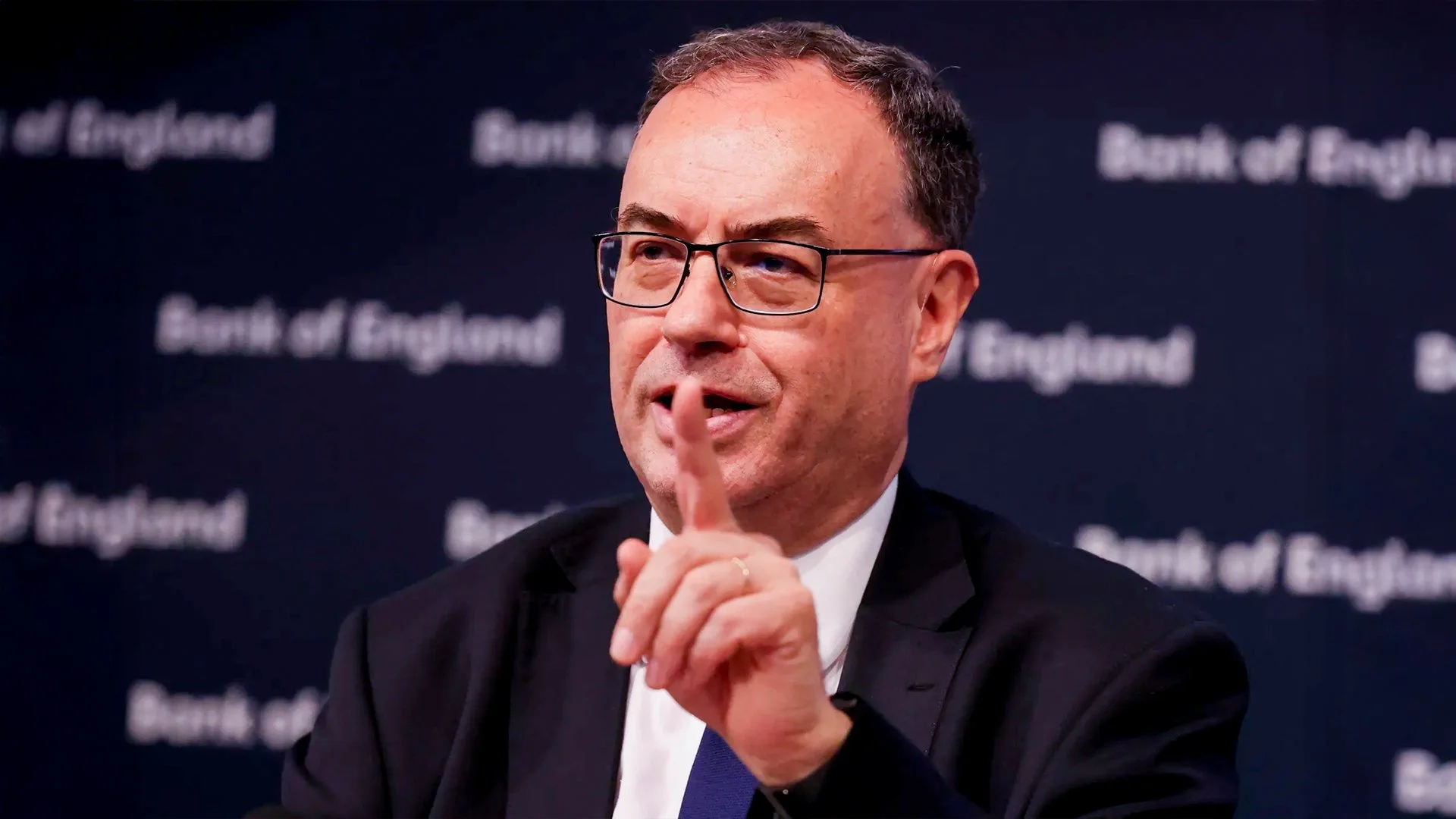
Bank of England Governor Andrew Bailey has delivered a critical message to the UK banking sector: it’s time to put capital to work. Following successful bank stress tests and the BoE’s recent decision to lower the capital benchmark for UK lenders (reducing the estimated Tier 1 capital buffer from around 14% to about 13% of risk-weighted assets), Bailey asserted that banks should "not keep higher levels of capital than needed."
This is the first major loosening of banking regulations since the 2008 Global Financial Crisis (GFC) and signals a pivot in the BoE's priorities towards fostering economic growth and competitiveness without compromising the financial system's resilience.
For those interested in Global Markets Eruditio, this regulatory change is a core driver for assessing the UK's financial health and the long-term strength of the GBP.
The Post-GFC Regulatory Recalibration
Bailey’s comments address the decade-long debate over the trade-off between bank safety and economic dynamism.
The Capital Optimization Push
Encouraging Lending: The central argument is that the UK banking system is robust and well-capitalized—demonstrated by the 2025 stress test results, where banks held an aggregate capital ratio well above the minimum even in a severe recession scenario. Banks have routinely held more capital than required, essentially hoarding funds that could be used for loans.
The Two-Way Street: Bailey maintained that while the BoE will not dictate business models, banks that use this freed-up capital to increase lending to households and businesses will ultimately benefit from the resulting stronger economic performance and returns. This push is intended to unlock lending and growth across the economy.
Learning from Experience: Bailey strongly defended the initial, strict post-GFC regulations, stating the BoE did not overdo things but confirmed the regulator must learn from experience. The current easing of capital rules is a measured adaptation, reflecting the system's maturity and stability.
This move is fundamentally designed to reduce regulatory burden and make UK banks more competitive, especially as US authorities are also reviewing their own post-crisis regulations.
Forex Trading: The Capital Impact on the GBP
For Forex Trading for Beginners, regulatory changes in a major economy like the UK are crucial fundamental drivers for the Great British Pound (GBP).
Positive for Growth: The primary short-term impact is positive sentiment toward economic growth. If banks increase lending, it fuels investment, consumption, and potentially GDP growth. Improved growth prospects are fundamentally bullish for the GBP, as they may eventually support higher interest rates (or reduce the need for cuts) relative to other major currencies. This could strengthen pairs like GBP/USD or GBP/JPY.
Stability vs. Competitiveness: There is a risk-reward dynamic being traded by the market. The loosening of rules (reducing the cushion) is slightly bearish on the Financial Stability outlook, which could initially worry investors. However, the move is being framed as an increase in competitiveness and efficiency, which is long-term bullish for the banking sector's profitability and, by extension, the GBP.
Cross-Currency Loans: In the broader Forex context, a more active, less constrained UK banking sector will play a greater role in global finance, including cross-currency lending. This increased activity directly influences liquidity and risk appetite in the global USD and GBP funding markets, a point of analysis keenly observed by those practicing Global Markets Eruditio.


Gilt Market and Institutional Integrity
Bailey also commented on other core areas of the financial system, including the crucial Gilt market (UK sovereign bonds), which experienced severe stress in late 2022.
Structural Change: Bailey acknowledged that the Gilt market is not unusual among bond markets in seeing change in structure and trading. This normalization of the issue suggests the BoE recognizes the global trend of non-bank financial intermediaries (like hedge funds and LDI funds) playing a larger role, which requires adapted oversight.
Accountability: Regarding the potential leak from the Office for Budget Responsibility (OBR), Bailey maintained the institutional firewall: the BoE uses different release procedures and does not comment on the relation between Treasury and OBR. This commitment to maintaining a clear distinction between the central bank's independence and political governance is vital for market credibility.
In essence, Governor Bailey's push for efficient capital use is an explicit move to leverage the stability built over the last decade to pursue sustainable economic expansion, making this announcement a defining moment for the UK's post-crisis financial path.
Are You Equipped to Trade the Shift in Bank Capital Rules?
The BoE's decision to encourage lending signals a fundamental change in the economic outlook for the GBP. Understanding the mechanics of capital requirements and their influence on credit flow is essential for predicting the next move in GBP/USD and other currency pairs.
Don't let vital regulatory shifts catch you off guard.
Join the GME Academy community today and sign up for our FREE Forex Workshop to learn how central bank policy and regulatory changes directly translate into profitable Forex Trading opportunities.
