

Water for Tariffs: US Threatens 5% Levy on Mexico, Shaking the USD/MXN Currency Pair
An escalating diplomatic crisis over a decades-old water treaty has spilled into the trade arena. With Mexico owing over 800,000 acre-feet of water, the U.S. has authorized documentation to impose a 5% tariff on Mexican imports, creating significant volatility and risk for the Mexican Peso (MXN) and raising a serious trade war flag for Forex Traders.
The long-simmering dispute over the 1944 Water Treaty has burst onto the Global Markets stage, transforming a hydrological issue into an immediate economic threat. The U.S. government is demanding that Mexico immediately release 200,000 acre-feet of water to alleviate the crisis among Texas farmers, with the remaining debt of over 800,000 acre-feet to follow swiftly. Failure to comply, or even failure to respond, will result in the immediate imposition of a 5% tariff on all Mexican goods.
This move weaponizes trade policy to enforce a resource agreement, generating critical instability in the North American trade relationship and creating a high-stakes scenario for those trading the USD/MXN currency pair.
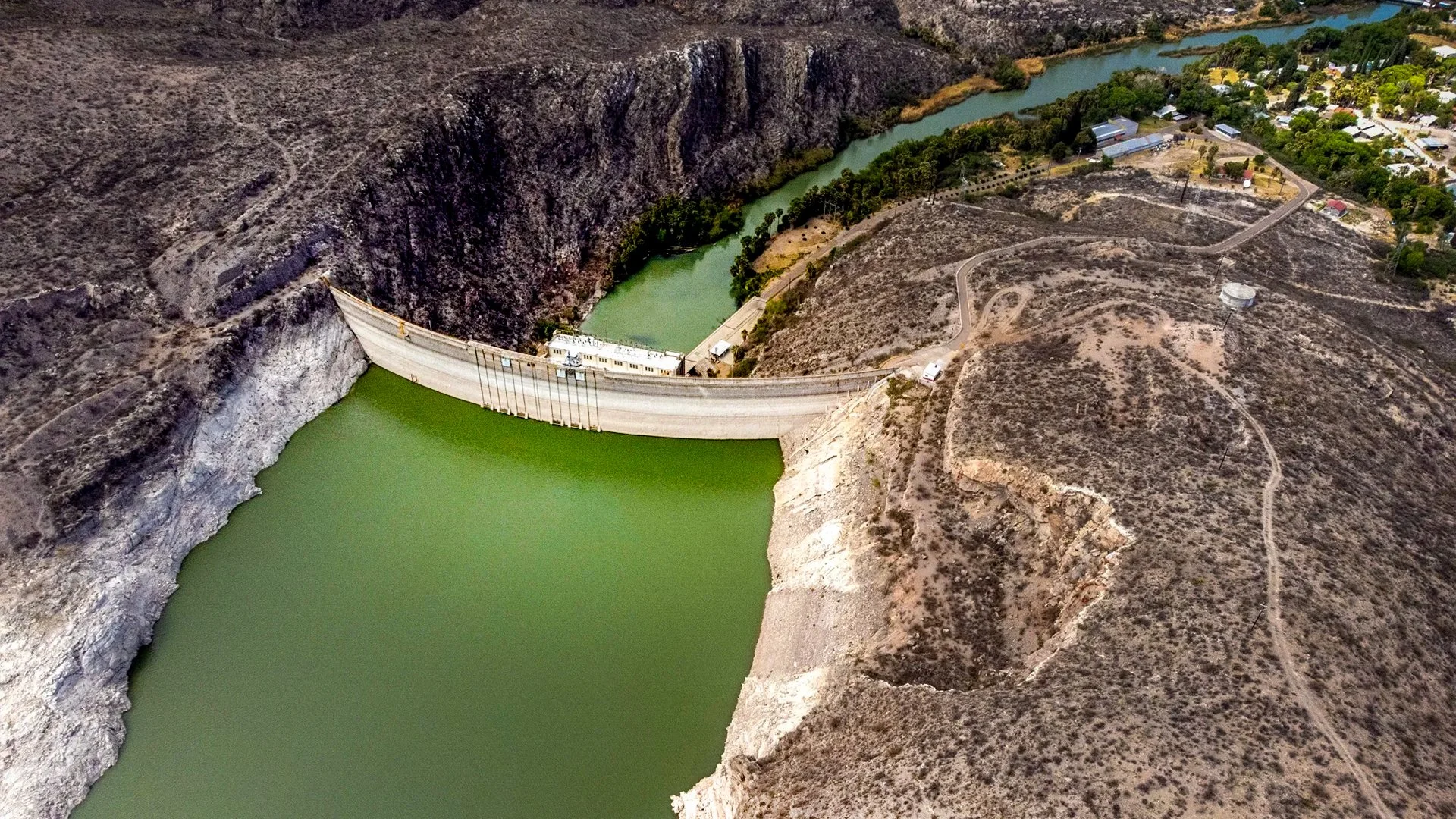
The 800,000 Acre-Feet Albatross: Treaty Violation at a Glance
The core of the conflict lies in the 1944 Treaty on the Utilization of Waters, which mandates Mexico to deliver an average of 350,000 acre-feet of water annually from six Rio Grande tributaries to the U.S. over five-year cycles. The last cycle ended with Mexico failing to meet its obligation, leaving a substantial deficit that directly harms Texas Crops and Livestock.
The U.S. has framed the matter in unambiguous economic terms, stating that the non-compliance is "seriously hurting our BEAUTIFUL TEXAS CROPS AND LIVESTOCK." The implication for trade is clear: the lack of water for irrigation translates into agricultural losses that the U.S. is now prepared to offset through punitive tariffs.
This escalation serves as a crucial reminder for anyone seeking Global Markets Eruditio that even seemingly distant resource disputes can rapidly become the primary driver of Forex market risk.
The December 31st Deadline
The ultimatum sets a clear path for market watch. The U.S. requires the immediate release of a minimum of 200,000 acre-feet before December 31st.
Compliance: Immediate action by Mexico would likely be seen as a sign of de-escalation, providing relief to the MXN and potentially prompting a short-term drop in the USD/MXN pair.
Non-Compliance: Failure to act or respond, which the U.S. government currently cites as the case, triggers the authorized documentation for the 5% tariff.


Forex Trading Risks: Trading the USD/MXN Volatility
The tariff threat introduces profound geopolitical risk into the foreign exchange market, particularly affecting the Mexican Peso (MXN).
The USD/MXN Threat Profile
The USD/MXN currency pair is typically sensitive to trade relations, as the two nations share one of the world's most active borders and are bound by the USMCA trade agreement.
MXN Vulnerability: A new 5% tariff on Mexican imports would disrupt supply chains, raise costs for U.S. consumers, and, most importantly for the MXN, reduce the competitiveness of Mexican exports to its largest market. This is a fundamentally bearish development for the Mexican Peso, leading to potential significant spikes in the USD/MXN exchange rate (MXN weakening against the US Dollar).
Trade War Precedent: This move re-establishes the use of trade sanctions as a political leverage tool outside of formal trade agreement enforcement. Forex Trading for Beginners should note that such geopolitical headlines override traditional fundamentals in the short term, leading to "risk-off" sentiment that penalizes the MXN (a high-beta, emerging market currency).
The immediate authorization of the tariff documentation—signaling that it can be imposed "IMMEDIATELY"—demands that traders act on the possibility of a sudden, sharp repricing of the MXN. The market is forced to price in not just the 5% duty, but the potential for further escalation if the water debt remains unsettled.
Geopolitical Indicators to Watch
For those engaged in advanced Forex analysis, the key indicators now are not just trade data, but diplomatic responses. The "longer Mexico takes to release the water, the more our Farmers are hurt," directly translates into sustained downward pressure on the Peso. The USD/MXN pair will be entirely driven by official communications from the Mexican Foreign Ministry and the U.S. Department of State in the coming days.
Resource Scarcity Meets Trade Policy
The water dispute highlights a growing trend where resource scarcity, exacerbated by climate change and population growth, becomes a geopolitical weapon. The U.S. decision to impose a trade penalty to enforce a water treaty is an unprecedented maneuver that introduces a new layer of risk and uncertainty to the USD/MXN pair and the broader Forex market. The ultimatum is set: immediate water delivery or an immediate 5% tariff. The MXN's stability now hinges on Mexico’s political will to FIX THIS NOW and prevent the economic damage that U.S. officials assert is "very unfair to our U.S. Farmers."
Are You Trading the Trade War Risk or the Water Flow?
Trade threats and geopolitical disputes create the highest volatility in the Forex market, offering both immense risk and opportunity in currency pairs like USD/MXN.
Master the art of translating geopolitical threats into profitable trades.
Join the GME Academy community today and sign up for our FREE Forex Workshop to learn how to analyze the impact of trade tariffs and diplomatic ultimatums on global currencies, securing a comprehensive understanding of the forces that move the market.
