

The Great Divide: Why Surging Meat Prices Couldn't Save the NZD's Commodity Index
The latest ANZ Commodity Price Index for November 2025 painted a picture of deep divergence within New Zealand’s critical export sectors. The ANZ World Commodity Price Index fell by 1.6% month-on-month (m/m), marking a pivotal moment as the overall index is now 0.2% lower than a year ago—the first annual fall recorded since December 2023. This movement confirms that the global commodity super-cycle that peaked earlier in the year has begun to unwind, presenting a complex challenge for the national economy and, by extension, the New Zealand Dollar (NZD).
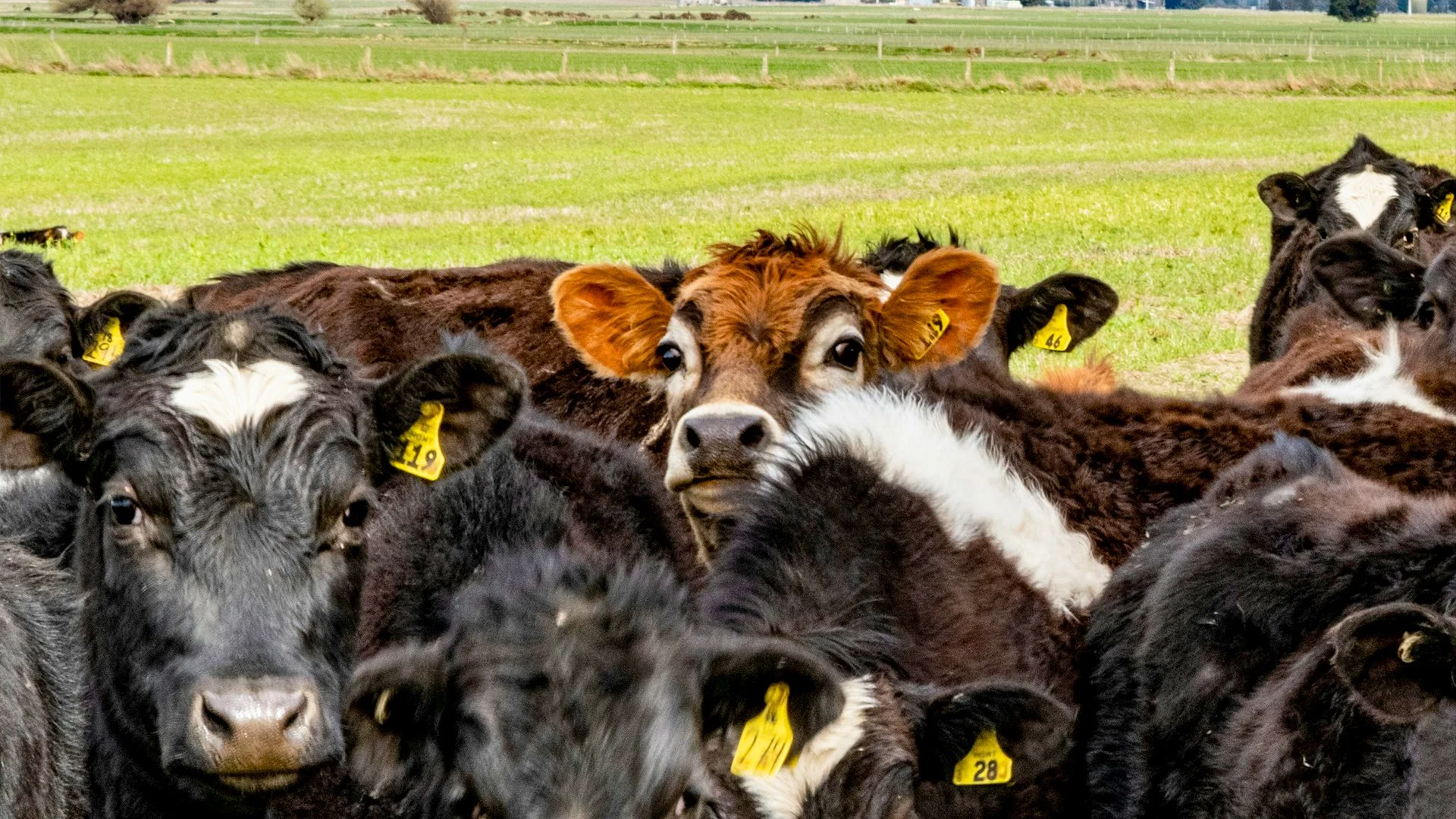
Dairy’s Steep Slide: A Global Supply Glut
The primary driver of the index's weakness was the dairy sector, which accounts for the largest weighting in the index (around 40.8% of merchandise exports).
● Significant Decline: Dairy prices plummeted by 5.4% m/m in world price terms.
● The Cause: Oversupply: The report explicitly attributes this sharp drop to "very strong production growth in all key exporting countries." Earlier in the year, high international prices for key dairy products—especially butter—incentivized dairy processors across the globe to ramp up output. That elevated production has now flooded the market, leading to a classic supply-side price collapse.
● Export Product Impact: Prices for New Zealand’s most important dairy exports suffered significant losses:
Whole Milk Powder (New Zealand’s largest export product): Fell 4.8% m/m.
Butter: Dropped 8.4% m/m.
Cheddar Cheese: Declined 8.7% m/m.
The severity of this correction in New Zealand's dominant export commodity underscores the immediate earnings pressure facing dairy farmers and highlights why central banks, like the RBNZ, remain acutely attuned to these Global Markets Eruditio supply-demand dynamics.
Meat and Fibre: Continuing a Bullish Record
In stark contrast to the dairy market, the meat and fibre index maintained its bullish momentum, soaring 3.5% m/m to reach a new record high. This sector is supported by robust global demand and tight supplies of all red meat and wool products.
Beef Demand: Beef prices have been particularly resilient, buoyed by strong demand in the US. This is expected to get a further boost following the US removal of tariffs on beef and many other food products on November 15th, which should directly support New Zealand's beef export revenue.
Lamb Resilience: Lamb prices also rose, up 1.4% m/m, despite the expectation that prices will weaken seasonally over the next few months as New Zealand production volumes typically rise during the peak season. The underlying market fundamentals for the red meat sector, however, remain robust.
Annual Performance: This strength is clearly visible in the long-term data, with the meat and fibre index up an impressive 17.2% year-on-year (y/y).


The NZD’s Foreign Exchange Shield and Forex Implications
Perhaps the most critical takeaway for Forex Trading professionals and Forex Trading for Beginners is the contrast between the ANZ World Commodity Price Index and the NZD Commodity Price Index (the index measured in local New Zealand Dollar terms).
NZD Index Outperformance: While the world price index fell 1.6% m/m, the NZD Commodity Price Index fell just 0.1% m/m. The weaker NZD acted as a crucial exchange rate shield, supporting prices in local currency terms.
The Annual Benefit: This shielding effect is more pronounced annually: the world index is down 0.2% y/y, but the local NZD index is up 6.3% y/y.
The Export Income Bridge: A weaker NZD means that when exporters convert their foreign currency earnings (e.g., USD from selling beef, CAD from selling wool) back into NZD, they receive more local currency. This bolsters their revenue, supports the agricultural sector's profitability, and prevents a commodity price slump from immediately translating into a deep national income crisis.
Monetary Policy Context: This dynamic also offers a buffer for the RBNZ, as the weakness in the NZD/USD pair mitigates the pressure on domestic incomes, reducing the urgency for the RBNZ to cut interest rates purely to support export earnings. The NZD's depreciation is performing a structural adjustment function for the economy.
Other Sectoral Movers and Long-Term Trends
The report also provided updates on other sectors, reinforcing the overall message of uneven global demand.
Forestry and China: The forestry index saw a modest rise of 1.3% m/m but remains down 5.7% y/y. Prices remain at the lower end of the range seen since 2010 due to persistently muted demand from China, highlighting the ongoing challenge for New Zealand’s timber exports linked to the mainland’s property sector.
●Horticulture: The horticulture index fell 3.1% m/m as the 2025 export season winds down, with the volatility attributed to small volumes rather than a change in the 2026 outlook.
Aluminium Strength: The aluminium index provided a boost, rising 1.3% m/m and up 9.1% y/y. This strength is driven not just by general trends evident in metals like copper, zinc, and tin, but specifically by capacity constraints facing Chinese aluminium production, which supports global prices for the metal.
The November ANZ Commodity Price Index confirms that global forces are pulling New Zealand’s economy in two different directions, with a massive supply-driven slump in dairy countered by demand-driven strength in red meat, all while the NZD depreciation works in the background to stabilize local revenues.
Are You Equipped to Trade the Complex Commodity-to-Currency Link?
The NZD's performance is a direct reflection of New Zealand's commodity trade balance. Understanding the precise impact of a 5.4% drop in dairy versus a 3.5% rise in meat—and how the NZD/USD exchange rate mediates those effects—is the key to mastering commodity-linked currencies.
Don't let complex trade reports confuse your analysis.
Join the GME Academy community today and sign up for our FREE Forex Workshop to master the fundamental analysis that translates commodity price volatility into profitable Forex strategies.
