


U.S. Consumer Inflation Expectations in Focus: Will September Data Move the Dollar?
On September 12, 2025, markets will turn their attention to the University of Michigan (UoM) Consumer Inflation Expectations report, one of the earliest indicators of how households expect prices to change over the next 12 months. Released monthly, this survey provides critical insight into potential inflation trends, which can influence consumer behavior, wage negotiations, and Federal Reserve policy decisions.

U.S. Consumer Sentiment in Focus: Will Confidence Boost the Dollar on September 12?
On September 12, 2025, traders will turn their attention to the University of Michigan (UoM) Consumer Sentiment Index, one of the most closely watched surveys of household confidence in the United States. Released monthly, this index provides a forward-looking gauge of consumer behavior, which accounts for more than two-thirds of U.S. economic activity

UK GDP Report: Will September Data Revive the Pound or Signal Slowdown?
On September 12, 2025, the Office for National Statistics (ONS) will release the latest UK Gross Domestic Product (GDP) report. This highly anticipated release will reveal how the economy performed in August, offering traders, investors, and policymakers a vital pulse check on Britain’s economic health.

ECB Press Conference: Will Lagarde Signal a Policy Pivot?
On September 11, 2025, all eyes will turn to Frankfurt as European Central Bank (ECB) President Christine Lagarde and Vice President Luis de Guindos take the stage for the highly anticipated ECB press conference. Scheduled about 45 minutes after the interest rate decision, this event consistently drives some of the heaviest volatility in euro markets.

ECB Interest Rate Statement: Guidance That Moves Markets
On September 11, 2025, the European Central Bank (ECB) will release its latest Interest Rate Statement — the carefully crafted document that often matters more than the rate decision itself. While the refinancing rate sets the immediate cost of borrowing, the statement reveals the central bank’s outlook, priorities, and intentions. For traders, it is a critical roadmap that can drive volatility across currencies, bonds, and equities.

ECB Rate Decision: Will September Bring a Shift in Policy?
On September 11, 2025, the European Central Bank (ECB) will announce its latest decision on the main refinancing rate — the benchmark that sets the tone for liquidity in the eurozone. This interest rate directly influences borrowing costs across the region, from household mortgages to corporate loans, and is one of the most powerful levers the ECB uses to balance inflation and growth.

RBNZ Governor Hawkesby Set to Speak: Traders Brace for Clues on Policy Direction
On September 11, 2025, Reserve Bank of New Zealand (RBNZ) Governor Christian Hawkesby will participate in a fireside chat at the Financial Services Council’s annual conference in Auckland.

U.S. Producer Prices in Focus Ahead of September 10 Release
The Bureau of Labor Statistics will release its Producer Price Index (PPI) on September 10, 2025, covering August data. This isn’t just another economic figure buried in the calendar. For traders, investors, and policymakers, the PPI offers one of the earliest monthly snapshots of inflation, and its influence can ripple across currencies, bonds, stocks, and commodities.

Core PPI in Focus: Could August Data Spark a Dollar Rally?
The Bureau of Labor Statistics will release its latest Core Producer Price Index (PPI) on September 10, 2025, covering August data. For traders, this isn’t just another number — it’s a front-row look at inflationary pressures before they hit consumers. With markets still debating the Federal Reserve’s next move, every tick in this report could ripple across currencies, bonds, and equities.
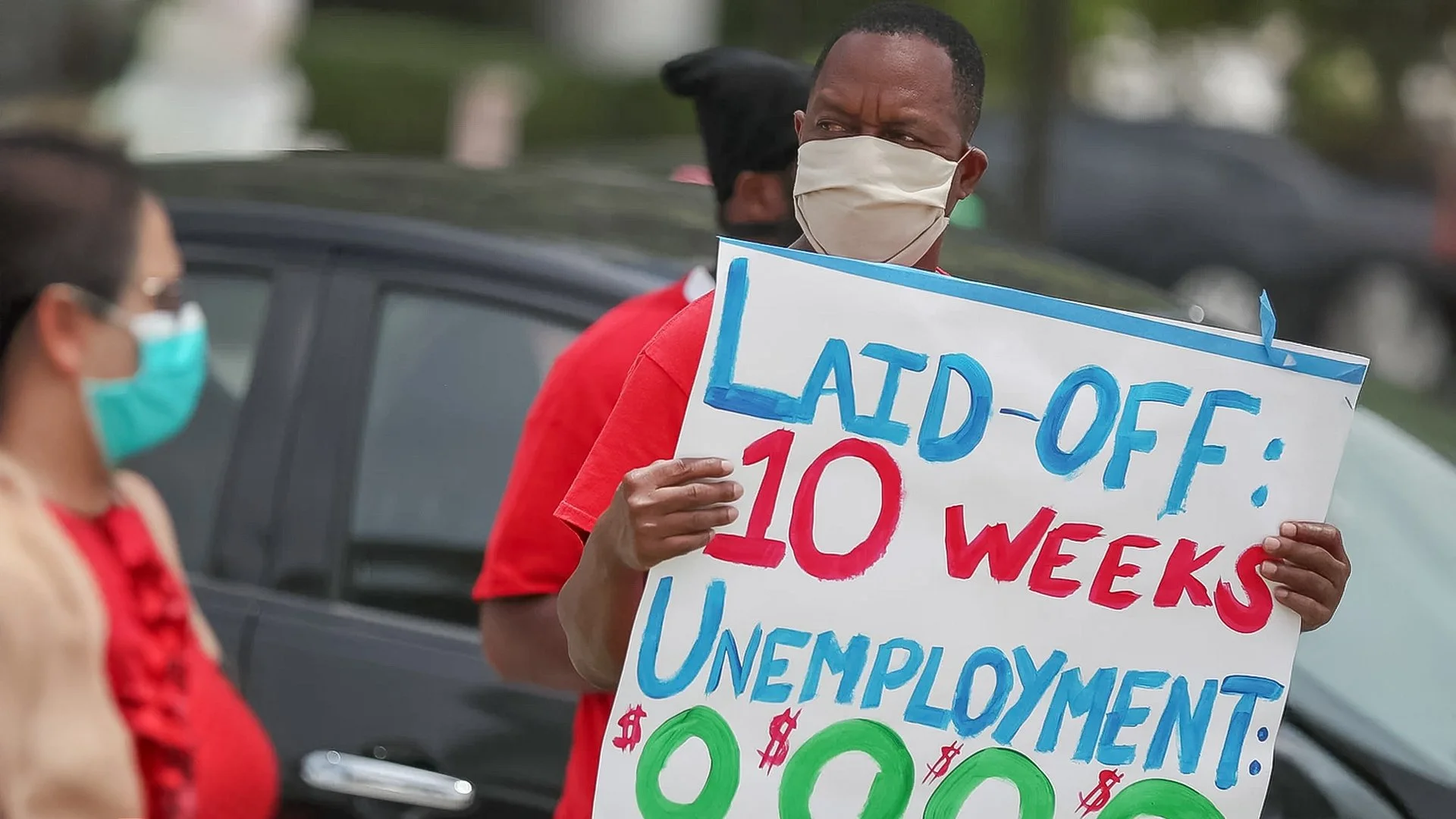
U.S. Unemployment Rate Holds Steady at 4.2 Percent in August
The Bureau of Labor Statistics released its latest unemployment figures in September, showing that the U.S. unemployment rate held steady at 4.2% in August, matching market forecasts. While the figure came in exactly as expected, it did inch higher than July’s 4.1%, hinting at early signs of labor market cooling.