

The Interest Rate Pivot: Decoding the Treasury Bill Tumble
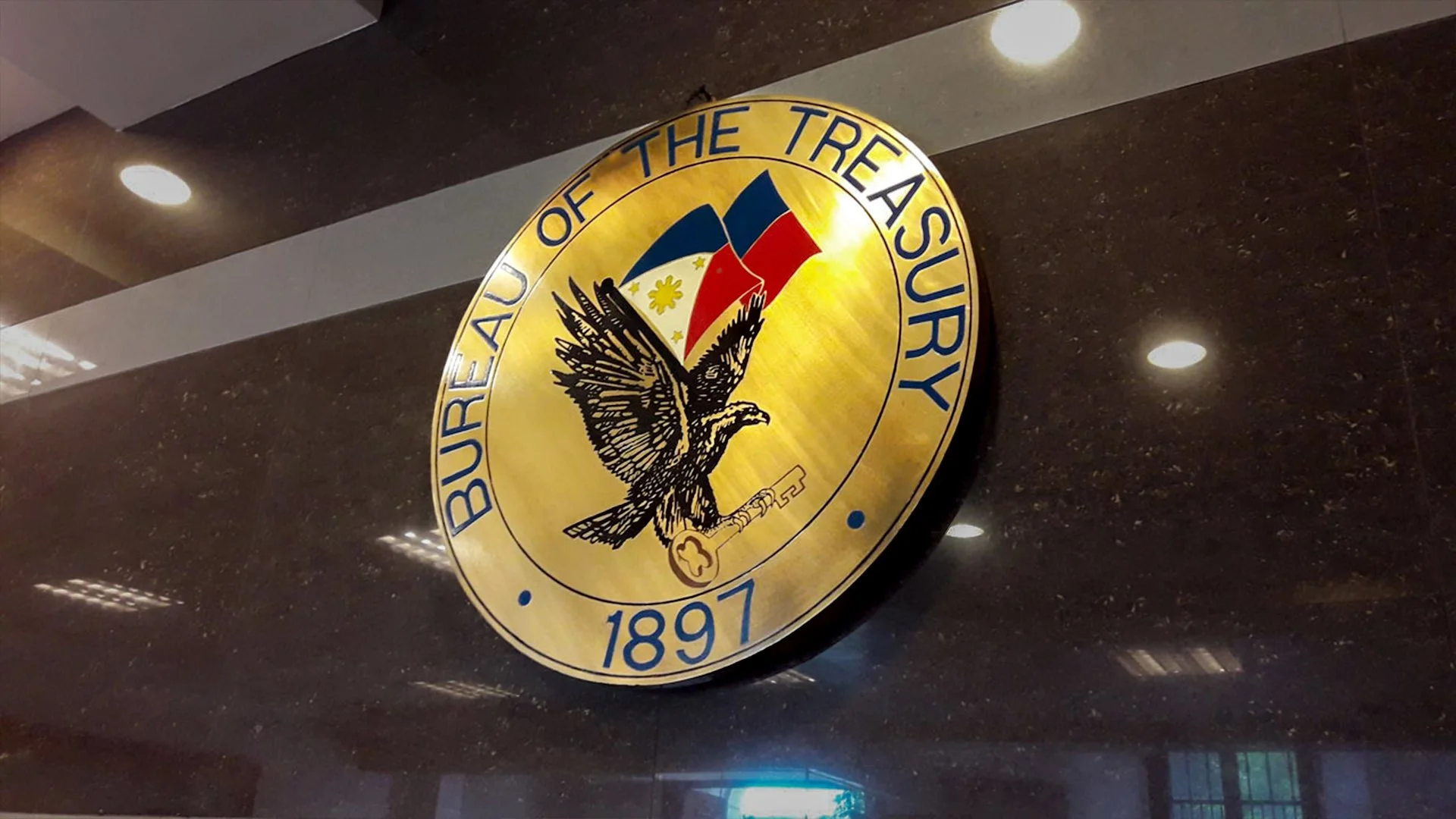
The Philippine financial landscape shifted once again this Monday as Treasury bill (T-bill) rates continued their downward trajectory. In a market where anticipation often speaks louder than action, the latest auction by the Bureau of the Treasury (BTr) served as a clear signal: investors are betting heavily on a dovish pivot from the Bangko Sentral ng Pilipinas (BSP).
With expectations mounting for an additional reduction in the central bank's key policy rates as early as February 2026, the demand for government debt surged to nearly four times the initial offering. This "flight to yield" isn't just a local phenomenon; it is a masterclass in how institutional sentiment shapes the broader Global Markets. For anyone navigating Forex trading for beginners, understanding this relationship between debt yields and central bank policy is the difference between guessing and strategizing.
The Numbers: A Full-Award Frenzy
The BTr auction results on Monday showed a consistent easing of rates across all tenors. The 91-day paper dipped to an average of 4.723%, while the 182-day and 364-day bills followed suit, falling to 4.817% and 4.888%, respectively. What was perhaps more telling than the rates themselves was the sheer volume of bids. Total tenders reached a staggering high, prompting the Treasury to upsize its offering to PHP 12.6 billion per tenor to accommodate the ravenous market appetite.
Rizal Commercial Banking Corporation (RCBC) chief economist Michael Ricafort noted that the primary driver behind this move is the desire to "lock in" current yields. In a world of falling rates, the 4.8% you secure today becomes a premium asset tomorrow.
Why This Matters for the Forex Market
In Forex, interest rates are the engine. When a central bank like the BSP signals a rate cut, it typically exerts downward pressure on the local currency—in this case, the Philippine Peso (PHP). This happens because lower interest rates reduce the return on Peso-denominated assets, leading some international investors to move their capital toward higher-yielding currencies like the US Dollar (USD) or the Canadian Dollar (CAD).
However, the current T-bill rally suggests a more nuanced story. The massive demand indicates that investors still see value in the Philippine market, potentially providing a "buffer" for the Peso against the US Dollar. Traders watching the USD/PHP or even major pairs like the EUR/USD must look at these T-bill auctions as a leading indicator. If domestic demand for debt remains this high, it suggests that the market has already "priced in" the rate cut, which can sometimes lead to a "sell the rumor, buy the fact" reaction in the currency markets.
The GME Academy Perspective: Macro Strategy for Beginners
At Global Markets Eruditio, we often remind our students that the charts only tell half the story. The other half is found in the fundamental shifts of central bank policy. For those engaged in Forex trading for beginners, the T-bill auction is a perfect example of a "macro trigger."
When you see rates falling and demand rising, you are witnessing a shift in the "yield curve." At the GME Academy, we teach you how to correlate these domestic shifts with global trends. For instance, if the US Dollar is strengthening due to hawkish Federal Reserve comments while the BSP is cutting rates, the USD/PHP pair is likely to see significant upward momentum.

Managing the Shift: Professional Discipline
Trading in a rate-cut environment requires a reset of your technical boundaries. Many traders use "pivot points" to find entry levels, but fundamental shifts can blast through these technical barriers. Whether you are trading the British Pound or the Canadian Dollar, your risk management must account for the volatility that interest rate decisions bring.
The current T-bill trend is a reminder that the market is forward-looking. To succeed, you must move beyond just looking at yesterday's close and start analyzing tomorrow's expectations. This is the hallmark of a professional trader—staying one step ahead of the curve by understanding the "why" behind the price action.
Take Control of Your Financial Future
The world of Forex is moving faster than ever, and interest rate pivots represent some of the most profitable—and risky—times to be in the market. Don't navigate these waters alone.
Are you ready to stop reacting and start anticipating? Join our FREE Forex Workshop today and learn the institutional secrets to trading interest rate pivots like a pro!
