

DSWD Urges Stricter Juvenile Justice Enforcement to Rebuild Young Lives
The Department of Social Welfare and Development (DSWD) has issued a strong call for stricter adherence to the Juvenile Justice and Welfare Act (JJWA), also known as Republic Act 9344, emphasizing the importance of giving children in conflict with the law (CICL) a real chance to reform and reintegrate into society.
Assistant Secretary Irene Dumlao said that while the law provides a framework for protecting minors, its goals can only be achieved if policies, interventions, and systems are continuously strengthened and effectively implemented.
“We urge all duty bearers—from national and local government officials, law enforcement agencies, social workers, and community leaders—to work together to properly implement the JJWA. By proper implementation, we mean providing adequate resources, sustained capacity-building for personnel, continuous coordination among agencies, and the active involvement of communities in creating a safe and supportive environment for CICL,” Dumlao said.
Declining Juvenile Crime: A Positive Trend
The Juvenile Justice and Welfare Council (JJWC), an attached agency of the DSWD, reports a significant decrease in crimes involving minors over the past eight years.
According to JJWC Executive Director Tricia Clare Oco, cases involving minors fell dramatically from 26,000 in 2017 to just over 4,000 in 2024.
“Ngayon (2025) medyo tumaas ng bahagya, naging 5,000. Pero hopefully, hindi na siya tumaas (This year, it increased to 5,000. Hopefully it won’t increase anymore),” Oco said during the Bagong Pilipinas Ngayon news forum.
While there has been a slight uptick this year, the downward trend highlights the positive impact of coordinated juvenile justice programs and community-based interventions.
Bahay Pag-Asa: Safe Havens for CICL
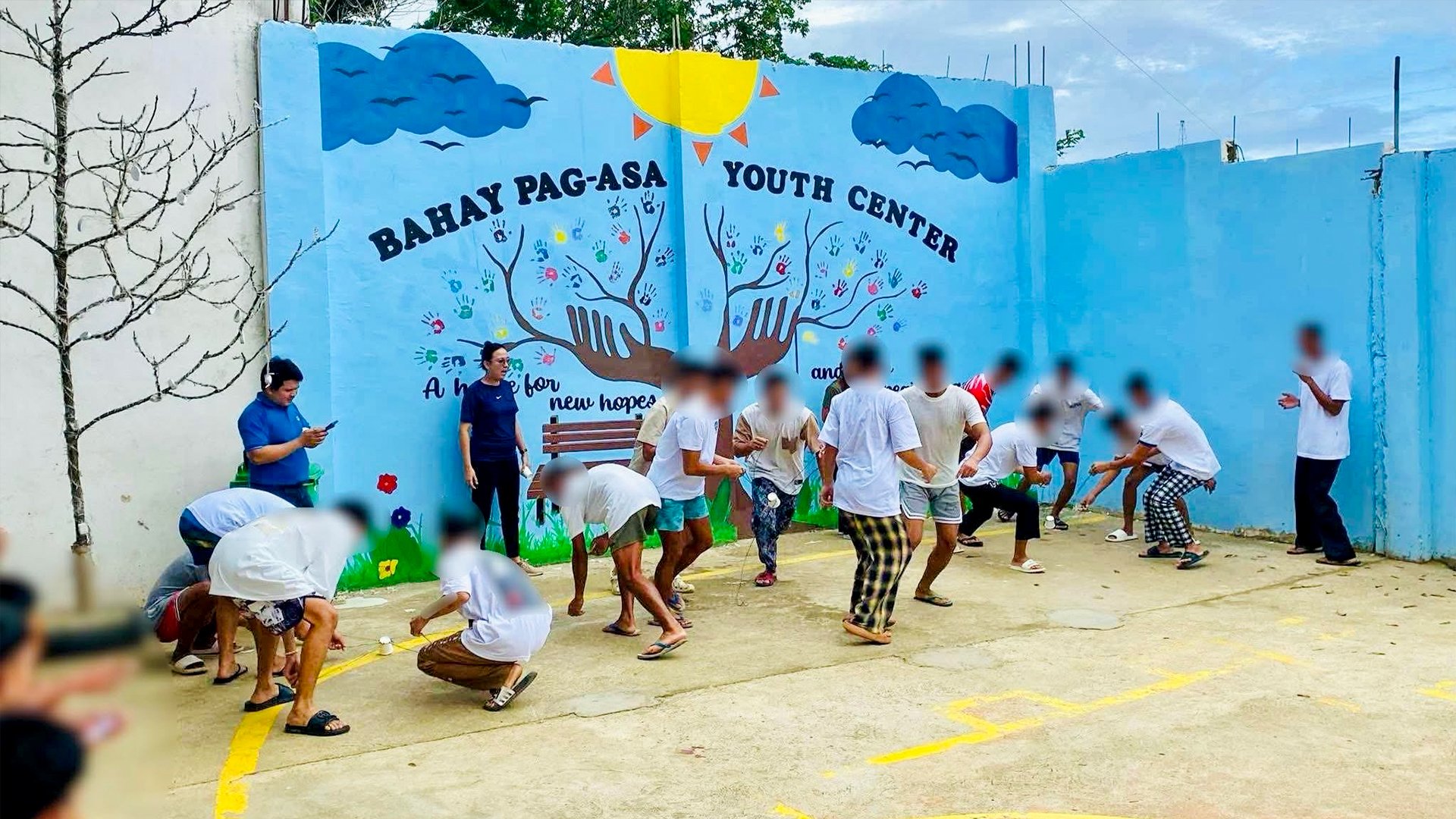
To support local government units (LGUs) in providing safe spaces for children, the DSWD continues to operate Bahay Pag-Asa (BPAs)—youth care facilities designed to offer protection, guidance, and rehabilitation. The department provides technical assistance to ensure these facilities are safe, well-managed, and equipped to address the specific needs of CICL.
BPAs serve as the foundation for the Buklod Paglaom para sa CICL: Holistic Psychosocial and Economic (HoPE) Interventions program, which provides a range of center- and community-based interventions.
The program targets 12- to 15-year-olds who have allegedly committed serious offenses or repeated crimes. A multi-disciplinary team delivers psychosocial support, educational programs, skills training, and other necessary interventions aimed at reintegration into families and communities.


Regional Rehabilitation Centers: Preparing for Reintegration
For minors with suspended cases, the DSWD’s Regional Rehabilitation Centers for Youth (RRCY) offer additional support. These centers provide education, psychosocial counseling, and skills training designed to help CICL develop into responsible individuals.
The approach focuses on rehabilitation rather than punishment, reflecting a philosophy that children are more likely to succeed when they are nurtured in supportive environments and equipped with the tools to make better choices.
Why Proper Juvenile Justice Matters
Strict enforcement of the JJWA and continued investment in youth-centered interventions are essential not just for reducing crime, but for fostering safer communities. Proper implementation ensures that:
Minors are held accountable in a way that promotes learning and growth rather than punishment alone.
Communities are actively involved in creating safe environments for children.
LGUs, social workers, and law enforcement agencies coordinate effectively to protect and guide youth.
Children in conflict with the law are provided opportunities to rebuild their lives and contribute positively to society.
By emphasizing transparency, community participation, and evidence-based interventions, the DSWD demonstrates that juvenile justice is as much about prevention and rehabilitation as it is about law enforcement.
Moving Forward
The DSWD’s renewed call for stricter adherence to the Juvenile Justice and Welfare Act is a reminder that protecting the future of the nation starts with supporting the youth. Through collaborative efforts among LGUs, social workers, law enforcement, and the community, children in conflict with the law can be guided back to responsible, productive paths.
For readers interested in broader social systems, governance, and accountability, principles of structured monitoring and support in programs like the JJWA can even offer lessons for financial and professional disciplines, such as Forex Trading. Just as continuous guidance and monitoring help CICL reintegrate successfully, beginners in Forex benefit from transparent systems, step-by-step learning, and community-supported strategies—topics explored in GME Academy.
Want to learn disciplined strategies and transparent systems in Forex?
Join our FREE Forex workshop at GME Academy today and start building strong foundations for financial success.
