

Strategic Handshakes: How Active Diplomacy is Redefining the Philippines' Global Economic Edge
In 2025, the Philippines transitioned from a reactive participant to a proactive architect of international relations. Labeled "Active Diplomacy," the nation's foreign policy this year focused on three pillars: the protection of citizens, the pursuit of economic security, and the assertion of its role as a regional peacemaker. These efforts have not only bolstered national pride but have created significant ripples in the financial sectors, particularly affecting the US Dollar (USD) exchange rates and local investment climates.
The Human Face of Diplomacy: Protecting Filipinos Abroad
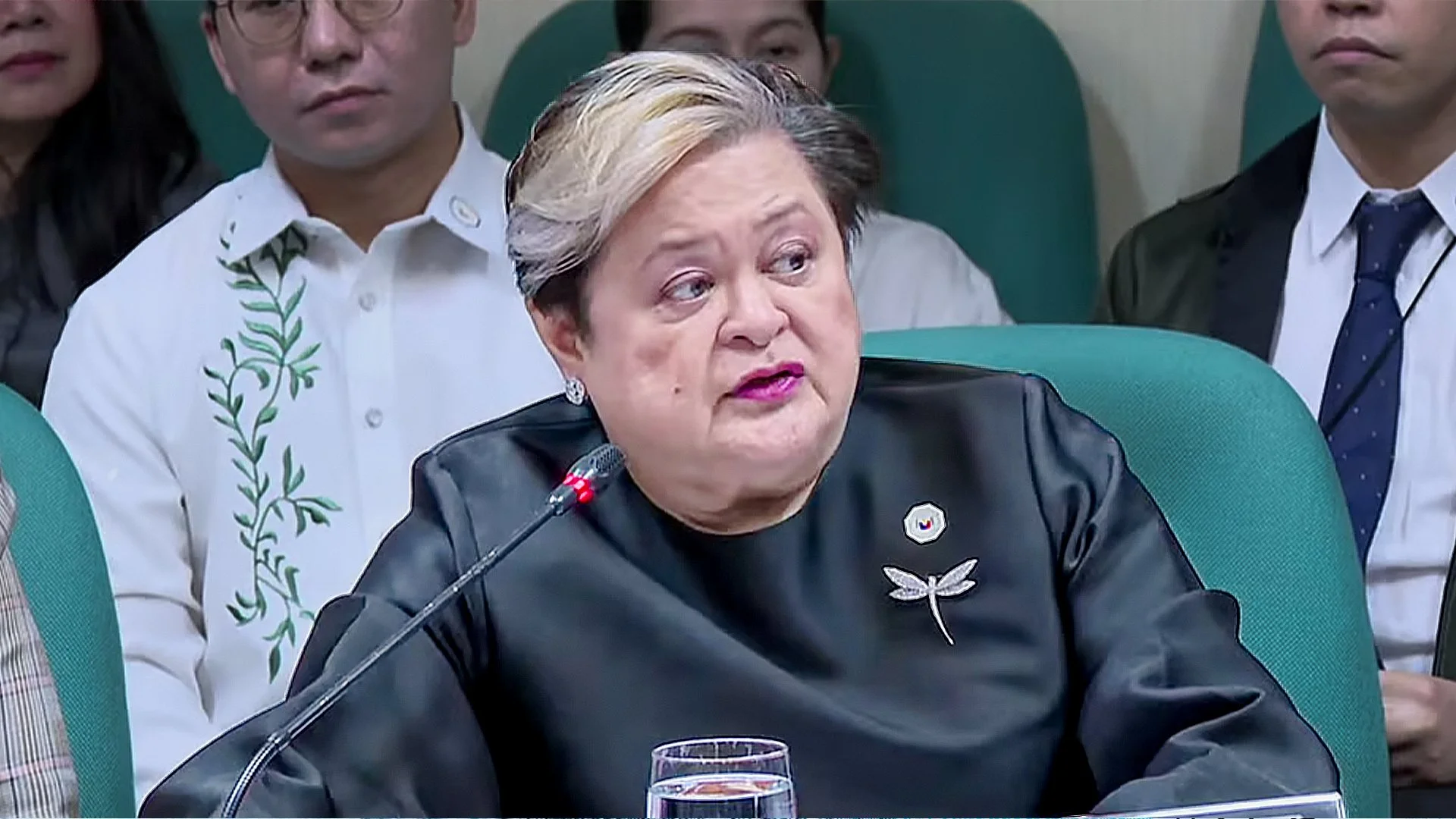
For many, the most visible success of Manila’s diplomatic machine was the safe return of its citizens from volatile regions. The Department of Foreign Affairs (DFA), now under the leadership of Secretary Ma. Theresa Lazaro, proved that coordination is the ultimate currency.
The year began with the emotional release of 17 Filipino seafarers from the MV Galaxy Leader, who Houthi rebels had held for over a year. This was followed by the extraction of nine more crewmen from the MV Eternity C. These breakthroughs were not accidental; they were the result of "active coordination" with the Oman government, serving as a reminder that in the Forex world of global power, strategic alliances are everything.
Furthermore, the DFA successfully repatriated approximately 700 Filipinos from "scam hubs" across Southeast Asia. By collaborating with counterparts in Cambodia, Lao PDR, and Myanmar, the Philippines cemented its image as a staunch protector of its labor force—a critical component of the nation's economic engine and remittance flow.
Summit-Level Success: Securing the Economic Future
Beyond rescue missions, the administration of President Ferdinand R. Marcos Jr. utilized "summit-level diplomacy" to fortify the nation’s financial standing. A landmark visit to the United States in July 2025 yielded over USD 21 billion in investment pledges.
For those monitoring the US Dollar (USD) or the Philippine Peso (PHP), these developments are significant. The mission also secured a reduction in the U.S. tariff rate on Philippine goods from 20% to 19%, providing a competitive edge in the Forex market.
Looking toward 2026, the strategy remains clear: bolster two-way trade in high-value sectors like:
Semiconductors and Electronics
Green Metals and Critical Minerals
Agriculture and Food Security

A Rules-Based Order: The Philippines as a Peacemaker
At the 80th UN General Assembly, the Philippines reaffirmed its commitment to a rules-based international order. With a bid for a non-permanent seat on the UN Security Council (2027-2028), Manila is positioning itself as a voice for developing nations and a champion of international law, specifically UNCLOS.
Secretary Lazaro emphasized that for a maritime nation, the 2016 Arbitral Award isn't just a document—it is fundamental. Despite harassment in the West Philippine Sea, the Philippines has doubled down on "diplomacy and other peaceful means" to settle disputes, drawing from its domestic success story in the Bangko Sentral ng Pilipinas (BSP) regions of BARMM as a blueprint for peacebuilding.
Navigating 2026: The ASEAN Chairship
As the country prepares to assume the chairship of ASEAN in 2026, the theme is "Navigating Our Future, Together." The Philippines aims to lead the region in:
Digital Integration: Leveraging AI for trade and disaster response.
Maritime Cooperation: Pushing for a binding Code of Conduct in the South China Sea.
Economic Resilience: Deepening ties with both traditional partners like the US Dollar zone and emerging neighbors.
Elevate Your Global Perspective with GME Academy
Understanding the shifting tides of global diplomacy is essential for anyone involved in Forex trading. At GME Academy, we teach our students that geopolitical stability is the bedrock of currency value. Whether you are trading EUR/USD, GBP/JPY, or monitoring the Canadian Dollar (CAD), you must understand the diplomatic "why" behind the market's "what."
Forex trading for beginners often ignores the macro-political landscape, but we believe that an informed trader is a profitable trader. Our curriculum integrates these real-world diplomatic shifts into actionable market analysis.
Join the Global Conversation
The world is changing, and the Philippines is at the forefront. Are you ready to align your financial strategy with the realities of active diplomacy?
Join our FREE Forex Workshop today and learn how to interpret global news, central bank shifts, and diplomatic milestones to master the art of Forex trading.
