

The OFW Angle: How Corruption Wastes the Sacrifices of Filipinos Abroad
For millions of Overseas Filipino Workers (OFWs), every hour of overtime, every meal skipped, and every lonely holiday away from family is a sacrifice. Their remittances keep households afloat, send children to school, and fuel the Philippine economy. In fact, OFWs contribute billions of dollars annually, making them modern-day heroes in the eyes of the nation.
But here’s the painful truth: much of their hard-earned money and the progress it could bring is wasted—not by them, but by corruption.
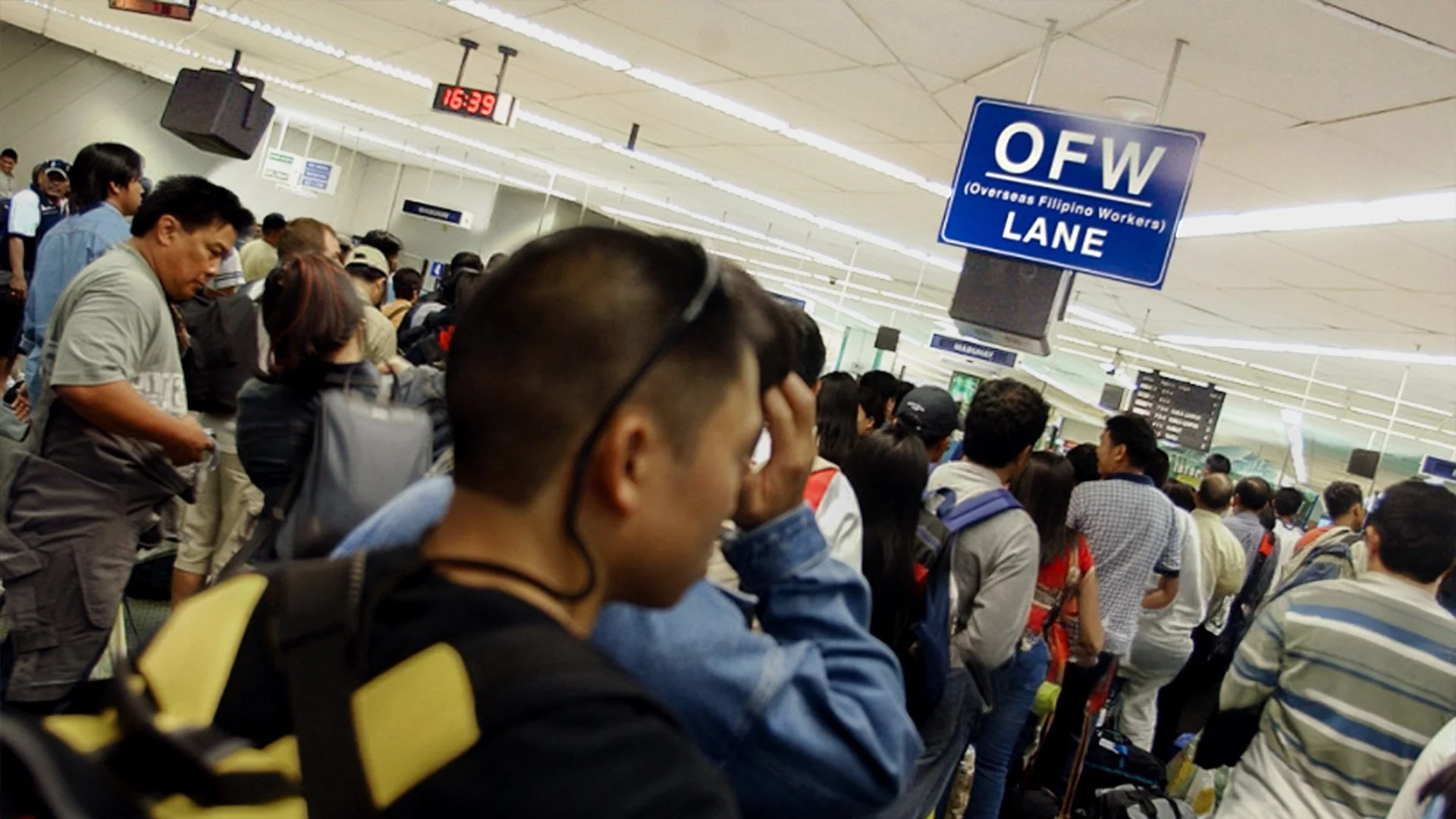
OFWs as the Nation’s Economic Lifeline
Remittances from OFWs account for nearly 10% of the Philippines’ GDP. These inflows provide a safety net for families and help stabilize the peso. In theory, this money should contribute to better infrastructure, healthcare, education, and public services that make life easier both for OFWs’ families and for future generations.
However, when corruption seeps in, these billions often fail to transform into tangible benefits. Instead of schools, there are ghost projects. Instead of affordable healthcare, there are overpriced contracts. Instead of reliable infrastructure, there are substandard roads and facilities that crumble too soon.
The Silent Theft of Sacrifice
Every time a corrupt official pockets funds meant for the public, they are effectively stealing from OFWs too. Think of it this way:
A father in Saudi Arabia spends two years away from his children, sending money home for their future. That money contributes to taxes and fuels government revenue. But if part of it ends up funding a politician’s lavish lifestyle instead of public projects, his sacrifice has been betrayed.
A nurse in London remits pounds every month to support her parents. She pays her share of fees and duties, but when corruption inflates the cost of basic goods, her family’s purchasing power shrinks.
In both cases, corruption acts like an invisible tax—a penalty on the hard work and dreams of OFWs.
Why Corruption Hits OFW Families Harder
Ordinary families in the Philippines rely heavily on remittances. When corruption drives inflation, every peso buys less rice, less medicine, and less school supplies. This means OFWs must send even more money just to cover the same expenses.
At the same time, corruption weakens public institutions. Hospitals remain underfunded, infrastructure stays poor, and jobs at home remain scarce. This forces more Filipinos to leave the country in search of better opportunities—continuing a cycle where families are split apart.
The Bigger Picture: Wasted Potential
Imagine if corruption were curbed:
OFW remittances could translate into world-class hospitals and schools.
Local job opportunities could increase, reducing the need for Filipinos to work abroad.
Families could stay together instead of being separated by borders.
Instead, corruption diverts national progress into private pockets, leaving the Philippines dependent on its diaspora while the root problems at home persist.


What Can Be Done?
Ending corruption is not easy, but it is possible when ordinary citizens—including OFWs and their families—demand accountability. Transparency in government projects, stronger anti-graft institutions, and active citizen participation in local governance can all chip away at systemic corruption.
OFWs have a unique voice: they not only fuel the economy but also bring global perspectives on integrity and governance. When their voices are amplified, real change becomes harder to ignore.
Final Word: Honor the Sacrifice, Fight Corruption
Every remittance from abroad is more than money—it is time, sweat, and love poured into a brighter vision for Filipino families. But until corruption is curbed, that vision will remain partly out of reach.
If we truly value OFWs as heroes, then fighting corruption is the least we can do to honor their sacrifices. Let’s not allow their hard work to vanish into the pockets of the few.
At Global Markets Eruditio (GME Academy), we believe financial education is a tool for empowerment. Understanding how corruption and inflation impact your family’s daily finances is the first step in protecting your future.
Join our free Forex workshop today and learn how global markets move, how your remittances are affected, and how you can make smarter financial decisions despite the challenges at home. Together, we can turn awareness into action.
