

Shadows in the Stream: How to Spot Foreign Influence and Protect the Filipino Narrative
The digital landscape of the Philippines has become a new front line for global influence operations. Recently, Malacañang confirmed that it is monitoring reports from groups like SeaLight, which allege that foreign entities—specifically the Chinese Embassy—are attempting to direct local media to advance Beijing's narratives.
For the everyday Filipino scrolling through social media, this isn't just a political issue; it’s a direct assault on the truth. As Palace Press Officer Claire Castro noted, while we respect freedom of speech, we must condemn "disinformation or fake news." At Global Markets Eruditio, we believe that financial literacy and media literacy go hand-in-hand. To be a successful trader or a responsible citizen, you must be able to distinguish between a genuine trend and a manufactured one.
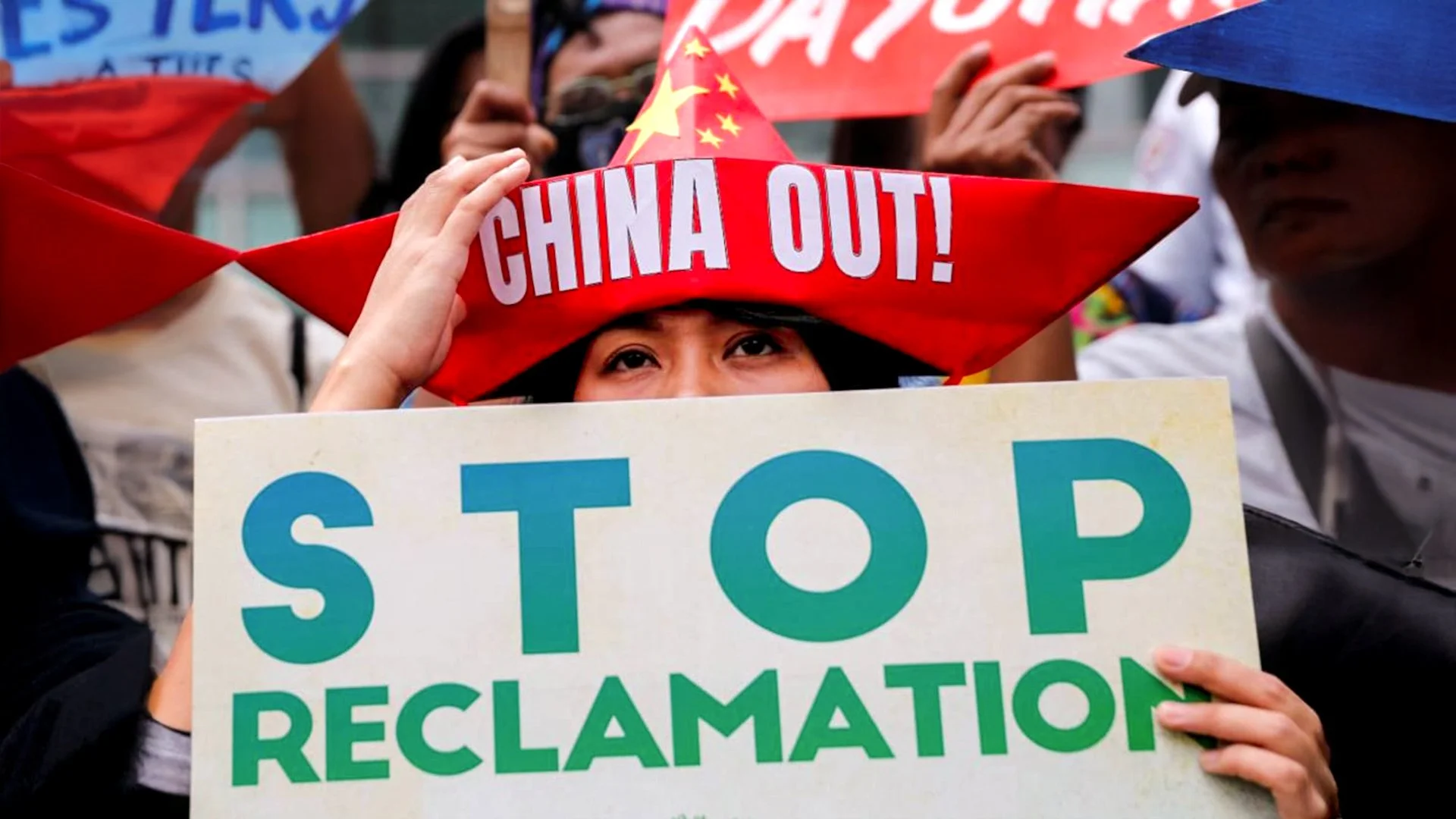
The Anatomy of Foreign Influence
Foreign propaganda doesn't always look like an advertisement. Often, it is subtle, designed to "drive a wedge" in domestic politics or weaken public support for national policies. According to security analysts, these operations often follow a specific pattern:
The Echo Chamber: A narrative starts with state-funded media and is quickly picked up by "experts" or local Mandarin-language news executives.
The "Ni Hao Manila" Tactic: Outlets like Ni Hao Manila or Chinatown TV have been flagged for allegedly disguising pro-Beijing content as independent Filipino news.
Algorithm Manipulation: Using "coordinated inauthentic behavior" (bots and fake accounts) to make a foreign narrative appear as if it has grassroots support from Filipinos.
Red Flags: How to Spot the "Spin"
To avoid falling for propaganda, Filipinos need to develop a "built-in radar" for disinformation. Whether you are analyzing Forex Trading charts or news about the West Philippine Sea, look for these warning signs:
Uniform Narratives: If multiple "independent" vloggers or news sites use the exact same script or "quote cards" at the same time, it’s likely a coordinated campaign.
Emotional Triggers: Propaganda often relies on extreme anger or fear to prevent you from thinking critically. If a post makes you "blindly" angry, take a breath and check the source.
Pro-Foreign, Anti-National Bias: Be skeptical of content that consistently prioritizes the interests of a foreign power over the sovereign rights of the Philippines.
Anonymous Sources: "Breaking news" from dubious websites with no clear editorial board or physical address in the Philippines is a major red flag.
Protecting the Filipino Interest
The DICT (Department of Information and Communications Technology) and the CICC (Cybercrime Investigation and Coordination Center) are currently investigating these reports to protect our digital sovereignty. However, the ultimate defense lies with you.
As Atty. Claire Castro emphasized, we must defend the "interes ng ating bansa" (interests of our country). In the world of Forex, we see how misinformation can cause sudden, irrational drops in the Philippine Peso (PHP) or spikes in USD/PHP volatility. By staying discerning, you aren't just protecting your mind; you are protecting the economic stability of the nation.
Tools for the Discriminating Citizen
Fact-Checkers: Follow reputable local fact-checking initiatives like Tsek.ph or Rappler’s Rai chatbot.
Primary Sources: Always look for official statements from the Presidential Communications Office (PCO) or the Department of Foreign Affairs (DFA) before sharing a viral post.
Diversify Your Feed: Don’t get your news from just one social media platform. Cross-reference what you see on TikTok or Facebook with established news organizations.
Elevate Your Critical Thinking
At the GME Academy, we teach our students that "data is king." Whether you are looking at the Canadian Dollar (CAD) or a news report on foreign interference, the ability to analyze data objectively is your greatest asset.
Master the Art of Analysis.
Ready to apply these critical thinking skills to the global markets? Learning to spot "fake moves" in the market is the first step toward becoming a profitable trader.
Join our FREE Forex Workshop. Learn how to filter the noise, analyze the fundamentals, and trade with the confidence of a professional.
