

The Unblinking Eye: ICI’s New Rules Forge Trust in Infrastructure Governance
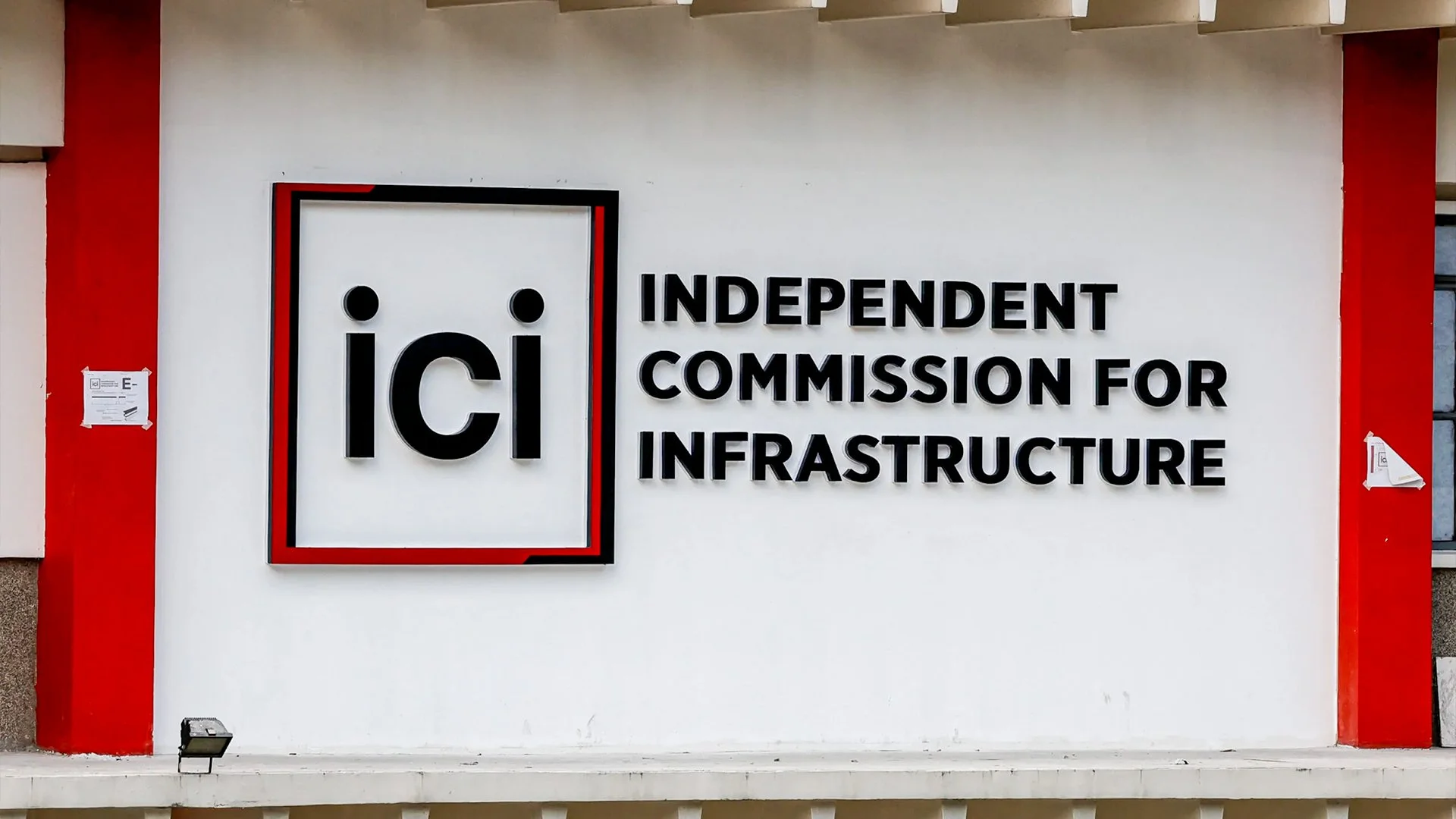
The Independent Commission for Infrastructure (ICI) has taken a critical step toward cementing transparency and accountability in a sector historically vulnerable to corruption by approving comprehensive guidelines for the live streaming of its proceedings. This move aligns the ICI with international best practices for governance, a factor that profoundly influences global capital flow and the stability of a nation’s currency in the Forex Trading markets.
While the decision to livestream is a victory for public scrutiny and the constitutional right to information, the ICI has simultaneously established a robust framework of limitations and safeguards. These rules demonstrate a mature understanding: genuine transparency must be balanced with the need to protect national security, witness safety, and the integrity of justice itself.
The Balancing Act: Protecting Witnesses, Ensuring Fair Proceedings
The ICI’s guidelines are founded on the principle that live streaming will be the default for all public proceedings. However, this openness is subject to key limitations to adhere to existing laws, including those relating to the Witness Protection Act (R.A. No. 6981) and the protection of confidential sources.
The ICI reserves the power to impose immediate visual and audio alterations on the live feed:
Protecting Individuals: The Commission may order the pixelization of a witness's or resource person's image, or the muting of their audio output.
Securing Evidence: Documents presented may be subject to redaction on the live stream to prevent the premature disclosure of privileged, sensitive, or investigatory information that could compromise ongoing enforcement proceedings.
Furthermore, the ICI can decide to delay, cease, or stop the live streaming entirely upon a determination of a probable violation of prevailing laws. This ultimate control ensures that the medium of transparency is not exploited to subvert justice.
Preserving the Integrity of the Investigation
The integrity of the proceeding itself is paramount. The ICI has imposed strict rules on how the broadcast can be used and interpreted to ensure that the public is receiving an unadulterated view of the facts:
No Distortion: The broadcast must be without voice-overs, except for brief, objective annotations at the beginning or end of scenes. This rule directly prevents biased, external commentary from overriding or distorting the content or context of the official proceedings.
Closed Sessions: The guidelines explicitly allow for executive sessions (closed-door hearings) upon request by resource persons, witnesses, or government agencies conducting parallel investigations (such as the Ombudsman or Department of Justice). These sessions, which are not broadcast, are permissible only if they have "sufficient factual and legal bases" and are necessary to protect national security or prevent interference with ongoing probes.
This meticulous approach ensures that transparency does not come at the expense of a fair and effective investigation.
Strict Controls on Rebroadcast and Digital Integrity
In an age of rapid digital dissemination, the ICI has placed stringent controls on the reuse of the streamed content to combat misrepresentation and unauthorized editing.
Single Source Authority: The ICI retains sole control over the original feed. No person is allowed to record, stream, retransmit, reproduce, capture, or edit the proceedings without prior written approval.
Limited News Exception: Only brief footages and still images (including sketches) are permitted for bona fide news purposes. The full rebroadcast of the proceedings is banned without the ICI's explicit written consent.
The threat of administrative and criminal proceedings against violators underscores the seriousness of maintaining the legal and factual integrity of the commission's work, recognizing that trust is easily destroyed by manipulated information.


The Financial Nexus: Why ICI Transparency Matters to Markets
For the global financial community and for those engaged in Forex Trading, the ICI's move is a significant governance signal. Infrastructure—from flood control projects to power grids—is a massive area of public spending and private investment. When this sector is plagued by corruption (as indicated by the focus on flood control scandals), the cost of investment rises, and overall economic efficiency plummets.
Mitigating Integrity Risks: The ICI’s transparency measures directly address integrity risks across the infrastructure cycle, which global bodies recommend as vital for attracting private capital at scale. By reducing the uncertainty associated with corruption, the ICI enhances the country's perceived institutional stability.
Investor Confidence: Increased transparency fosters confidence among Foreign Direct Investment (FDI) partners. A predictable legal and oversight environment is a key factor assessed when investors evaluate the long-term viability of an emerging market currency, as stability reduces the risk premium they demand. This systemic improvement is a long-term bullish factor for a nation's economy and its currency in pairs like USD crosses. This kind of institutional analysis is a deep-dive topic at the GME Academy/Global Markets Eruditio that separates sophisticated fundamental traders from speculators.
Don't Trade in the Dark—Trade with Open Information!
The ICI’s new guidelines prove that transparency is the most powerful tool for building trust and ensuring economic integrity. Understanding how governance changes reduce risk and increase investment confidence is critical for successful Forex Trading for Beginners and seasoned professionals alike. These non-economic factors provide the fundamental basis for long-term currency movements.
Ready to integrate institutional transparency and risk analysis into your trading strategy?
Join our FREE Forex Workshop today! Learn to analyze the governance signals that shape the stability of global currency pairs.
Click here to reserve your spot and turn institutional transparency into a trading advantage.
