

Gravity Always Wins: Is the Philippine Peso Bracing for a Historical Dive?
In the intricate world of Forex trading, the US Dollar (USD) is often seen as the ultimate safe haven, but for the Philippine Peso (PHP), it is currently a source of immense pressure. Recent reports from UnionBank of the Philippines suggest that the local currency is once again testing record lows, with many analysts eyeing a slide toward the 59.50 to 59.70 range in the very near term.
For those tracking Forex trading for beginners, this isn't just a number on a screen. It is a reflection of a "structural handicap" caused by domestic governance concerns and a slowing growth outlook that is forcing the central bank to choose between defending the currency or saving the economy.
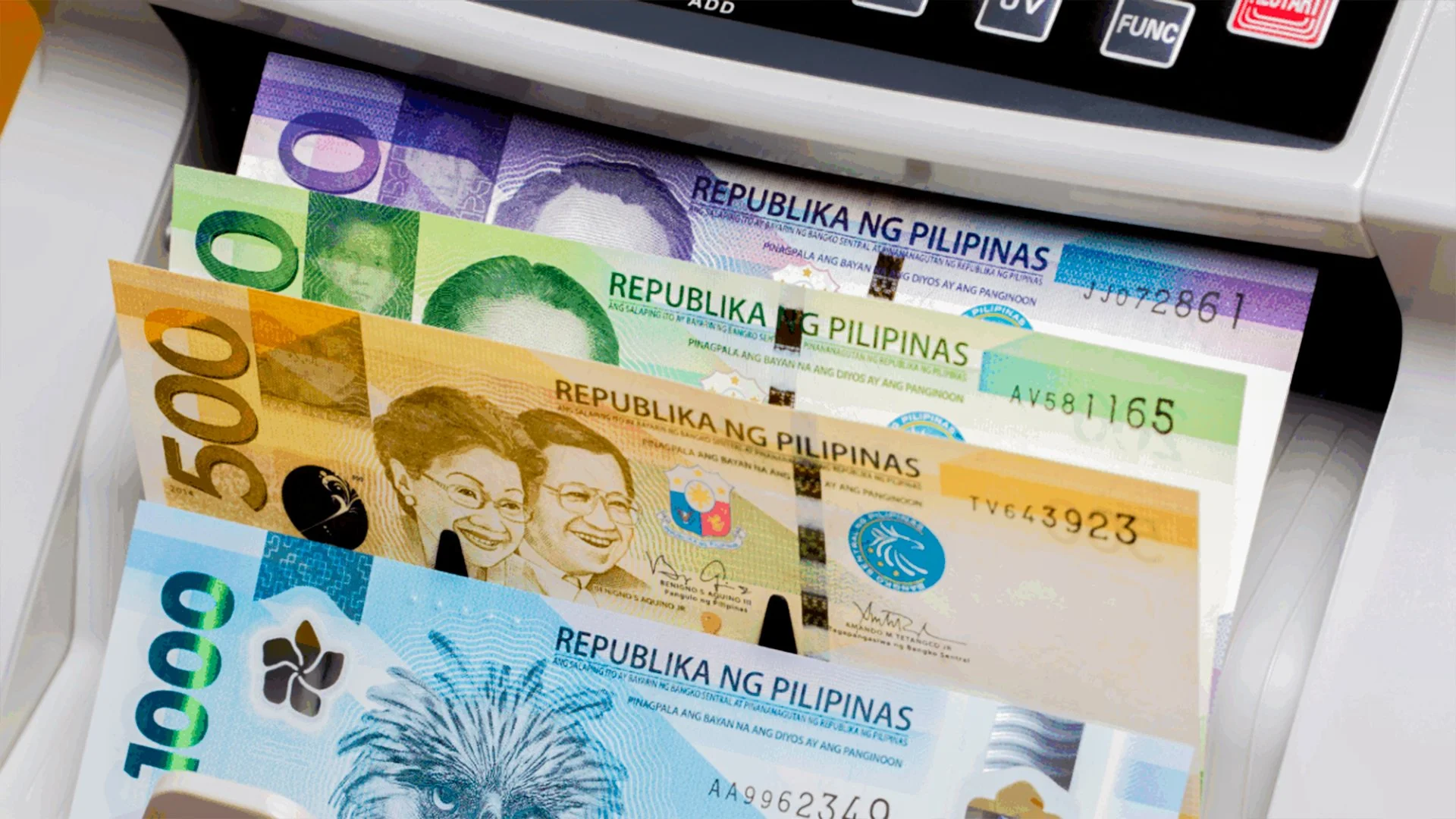
The "Double Whammy" Driving Depreciation
The Peso's current struggle is a classic example of a "cross-economy" squeeze. On one side, we have domestic factors; on the other, global volatility.
1. The Corruption "Handicap."
Market sentiment has been dampened by a widening corruption scandal involving unprogrammed appropriations and "ghost" flood control projects. This isn't just political drama—it has real economic consequences. Investors view corruption as a "tax" on growth, reducing the appeal of Philippine assets. When foreign investors pull their money out of the local stock market, they sell their Peso holdings and buy US Dollars, driving the exchange rate higher.
2. Geopolitical Tremors
Beyond our borders, intensified political unrest in the Middle East—specifically involving Iran—has sent oil and gold prices climbing. As a net oil importer, the Philippines must spend more USD to keep its lights on. This increased demand for dollars, coupled with a "flight to safety" by global investors, leaves the Peso vulnerable.
Why the BSP Might Let It Slide
The Bangko Sentral ng Pilipinas (BSP) traditionally intervenes to smooth out "excessive volatility." However, Governor Eli Remolona Jr. has signaled a shift in tone. With the economy expanding at its weakest pace in years, the BSP is prioritizing growth over currency stability.
The Easing Bet: Markets are betting on continued interest rate cuts from the BSP. Lower interest rates make a currency less attractive to carry traders because the "yield" (the interest earned for holding the currency) decreases. This "dovish" stance cements the case for a weaker Peso.
Winners and Losers in a 60-Peso World
A weakening Peso is a double-edged sword for the Philippine economy:
The Winners: Millions of families dependent on USD remittances from Overseas Filipino Workers (OFWs) find their dollars stretching further. Exporters also find their goods more competitive on the global stage.
The Losers: Importers face skyrocketing costs, which eventually pass through to consumers as inflation. Perhaps most critically, the "Peso value" of the country's massive foreign debt increases, straining the national budget.


Mastering the "Buy on Dips" Strategy
In its latest market focus, UnionBank suggested a "tactical bias" to buy the US Dollar-Peso on dips. For the professional trader, this means waiting for the Peso to show brief moments of strength before hedging more dollar requirements.
At GME Academy, we teach our students that understanding the "Macro" is just as important as reading the "Micro." The interplay between interest rates, corruption scandals, and oil prices is what defines the long-term trend of the USD/PHP pair.
Don't Just Watch the Market—Navigate It
The Peso's move toward historical lows is a wake-up call for everyone from retail traders to corporate hedgers. If you are still guessing which way the USD will move next, you are leaving your financial future to chance.
Ready to turn market volatility into opportunity?
Join our FREE Forex Workshop this week. We will break down the latest UnionBank reports, analyze the BSP’s next move, and show you the exact strategies used by professionals to trade the US Dollar and major currency pairs during times of economic transition.
