

Record Low Peso: Market Bets on BSP Rate Cut Push PHP to 59.22 Against the USD
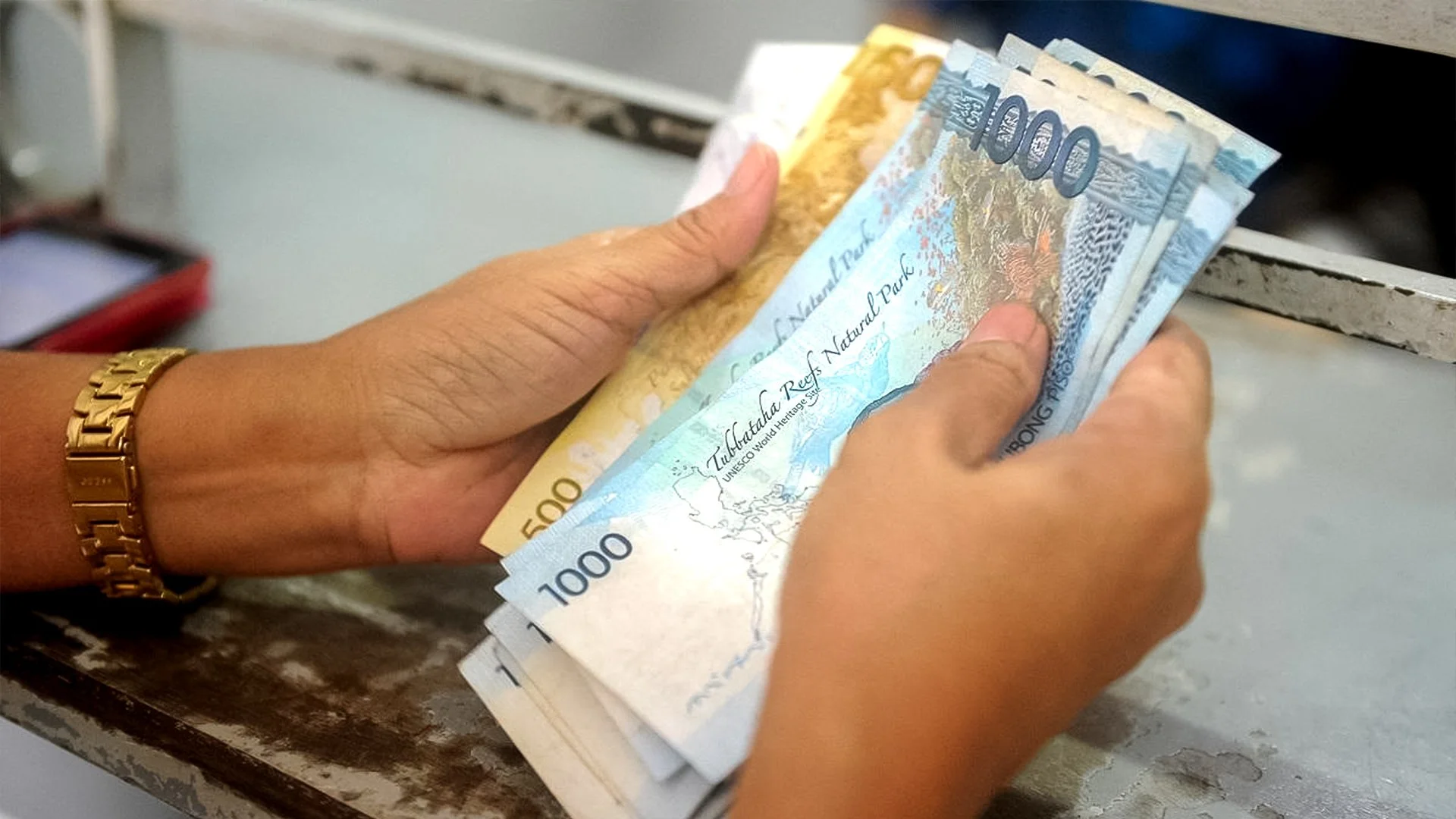
The Philippine Peso (PHP) plunged to a fresh all-time low of 59.22 against the US Dollar (USD) on Tuesday, driven by strong market expectations that the Bangko Sentral ng Pilipinas (BSP) will cut its benchmark interest rate at its final meeting of the year on December 11. This domestic dovish pressure, combined with renewed uncertainty over the Federal Reserve's (Fed) easing path, has intensified the currency's depreciation.
The local currency shed a significant 28.5 centavos from its previous close, decisively breaking the prior record low of 59.17 set just last month. This move reflects a consensus view that the BSP is poised to prioritize economic growth and address the slowdown in inflation, despite the risks posed by a rapidly weakening currency.
The Rate Cut Consensus: BSP Under Pressure
The depreciation of the Peso comes just days before the BSP’s rate-setting meeting, and the market is pricing in a near-certain outcome: a quarter-point rate cut.
Economist Consensus: All 13 economists surveyed expect the powerful Monetary Board to slash the benchmark rate by 25 basis points (bps) to 4.5 percent.
Eased Policy Space: If confirmed, this would bring the total cumulative reduction since the easing cycle began in August of the previous year to a substantial 2 percentage points. The BSP is acting to shore up economic growth, which has slumped to a four-year low of 4 percent in the third quarter.
Inflation Headroom: Supporting the dovish argument, state statisticians reported that consumer prices rose just 1.5 percent year-on-year in November—the softest pace of increase in four months. This low inflation figure gives the BSP ample monetary policy space to ease without immediately breaching its inflation targets.
The central bank appears committed to allowing market forces to determine the exchange rate, intervening only if a sustained downturn threatens to fuel imported inflation, rather than trying to smooth out day-to-day volatility.
The USD Factor: Divided Fed Complicates the Picture
Adding a powerful external factor to the Peso's weakness is the strengthening of the US Dollar (USD).
PCE Reminder: Renewed speculation has surfaced regarding a potentially divided Federal Reserve (Fed) policy committee. This speculation follows the release of the Core PCE (Personal Consumption Expenditures) inflation, which, despite recent softening, remains above the Fed's 2 percent target.
Hawkish Huddle: The concern among traders is that the Fed's impending press conference might cite upside US inflationary risks, potentially leading the central bank to pause its own easing cycle after the widely expected rate cut at the December 9-10 meeting.
Rate Differential Risk: This creates a toxic combination for the Peso. As the BSP cuts rates (reducing the PHP’s yield advantage) while the Fed signals a potential pause (maintaining the USD’s yield advantage), the interest rate differential widens in favor of the USD, accelerating the decline of the PHP in the PHP/USD currency pair.
For traders employing Smart Money Concepts (SMC), this is a clear case where institutional expectations about the Rate Differential are driving capital flows away from the lower-yielding currency.


Mixed Consequences and Forex Strategy
The weakness of the Peso carries significant, yet contradictory, consequences for the Philippine economy:
Consumption Boost: A weaker Peso enhances the domestic value of remittances sent home by millions of Overseas Filipino Workers (OFWs). Since consumption is a massive driver of the economy, this is a crucial support.
Inflation and Debt Risk: Conversely, the depreciation makes imports—especially fuel and essential raw materials—more expensive, risking a re-ignition of inflation. Furthermore, it inflates the Peso value of foreign debts held by the government and private corporations.
The market outlook remains volatile, with traders expecting the PHP/USD to fluctuate between the 59.10 and 59.35 range in the near term. The BSP's decision on December 11 will either validate the market's current positioning or cause a sharp, unexpected reversal.
Are You Positioned for the BSP’s Final Policy Move of the Year?
The PHP’s record low is a direct result of strong policy expectations. Understanding how the BSP’s growth mandate interacts with the Fed’s inflation concerns is critical for trading the Peso.
Master the analysis of central bank divergences and their effect on emerging market currencies.
Join the GME Academy community today and sign up for our FREE Forex Workshop to learn how to translate expected rate cuts and core inflation data into high-probability Forex Trading strategies, securing a comprehensive understanding of the forces that move the market.
