

The Tug-of-War: Peso Strengthens Amid Stock Market Jitter
The financial landscape in the Philippines presented a tale of two markets this Wednesday. While the Philippine Peso showed resilience by rebounding against a softening US Dollar (USD), the local equity market told a different story, with the Philippine Stock Exchange index (PSEi) retreating into the red. For those engaged in Forex trading for beginners, this divergence offers a classic lesson in how currency strength and equity sentiment can move in opposite directions.
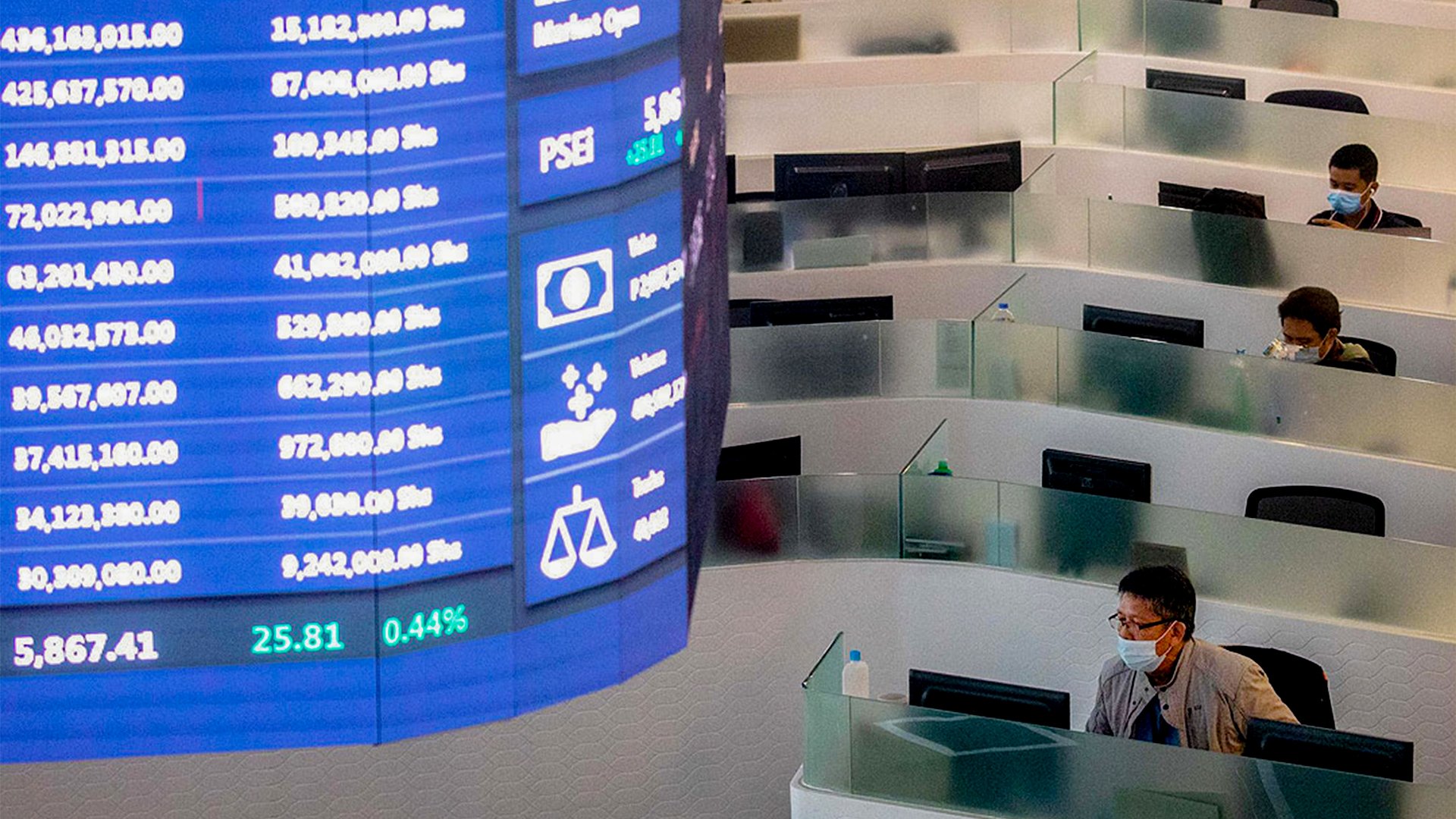
The peso closed the session at 59.26, a notable improvement from the previous day’s 59.45. Despite the uptick in the currency, the PSEi slipped by 0.36 percent, closing at 6,330.10.
Why the Peso Found Its Footing
The local currency's recovery wasn't a stroke of luck; it was driven by a combination of global dollar weakness and high-profile domestic success. According to RCBC Chief Economist Michael Ricafort, two primary factors anchored the Peso:
Dollar Depreciation: The greenback hit a two-week low globally, providing a natural tailwind for emerging market currency pairs like the USD/PHP.
Global Bond Success: The Philippine government successfully sold USD 2.75 billion in US dollar-denominated global bonds. The auction saw massive demand, with bids reaching nearly USD 6 billion. This "oversubscription" acts as a massive vote of confidence from international investors regarding the country's credit quality.
The PSEi’s Cautious Retreat
While the Peso celebrated, the stock market remained cautious. Market analysts at Regina Capital Development Corporation (RCDC) noted that "persistent global uncertainty" kept investors on the sidelines.
Sectoral performance was a mixed bag:
The Decliners: Services, Industrial, and Financials all ended lower, dragging the main index down.
The Gainers: The Mining and Oil sector surged by 4.64%, while Property and Holding Firms saw modest gains.
The fact that the peso was appreciating actually helped prevent a steeper decline in stocks, acting as a cushion against the prevailing "risk-off" sentiment. In Forex, a stronger local currency can sometimes make domestic stocks more attractive to foreign buyers, though in this session, caution ultimately won the day.
Strategic Insights: The Global Markets Eruditio Perspective
At Global Markets Eruditio, we often remind our students that the Forex market does not exist in a vacuum. A successful trader looks at the "intermarket" relationship—how bonds, stocks, and currencies interact.
The successful bond sale mentioned in today's news is a prime example of "capital flow." When international investors buy Philippine bonds, they essentially exchange their US Dollars for Peso-denominated assets (or assets backed by the Philippine government), which increases demand for the local currency. This is why understanding the US Dollar (USD) strength or weakness is the first step in any Forex trading for beginners curriculum at our GME Academy.


Managing Volatility in Your Portfolio
Whether you are watching the Canadian Dollar (CAD), the EUR/USD, or the local Peso, volatility is your constant companion. The shift from 59.45 to 59.26 might seem small, but with a trading volume of USD 1.56 billion, those decimals represent significant shifts in global wealth.
Professional trading requires more than just reading the news; it requires a systematic approach to risk and an understanding of macroeconomic drivers.
Elevate Your Trading Intelligence
Are you ready to stop being a spectator and start being a participant in the global economy? Understanding the movement of the US Dollar and the local markets is just the beginning.
Join our FREE Forex Workshop today! Learn the strategies used by institutional analysts to predict currency shifts and market pivots. At GME Academy, we don't just teach you how to trade; we teach you how to think like a global economist.
