

Affordability Peaks: Philippine External Debt Burden Eases Despite Rising Totals
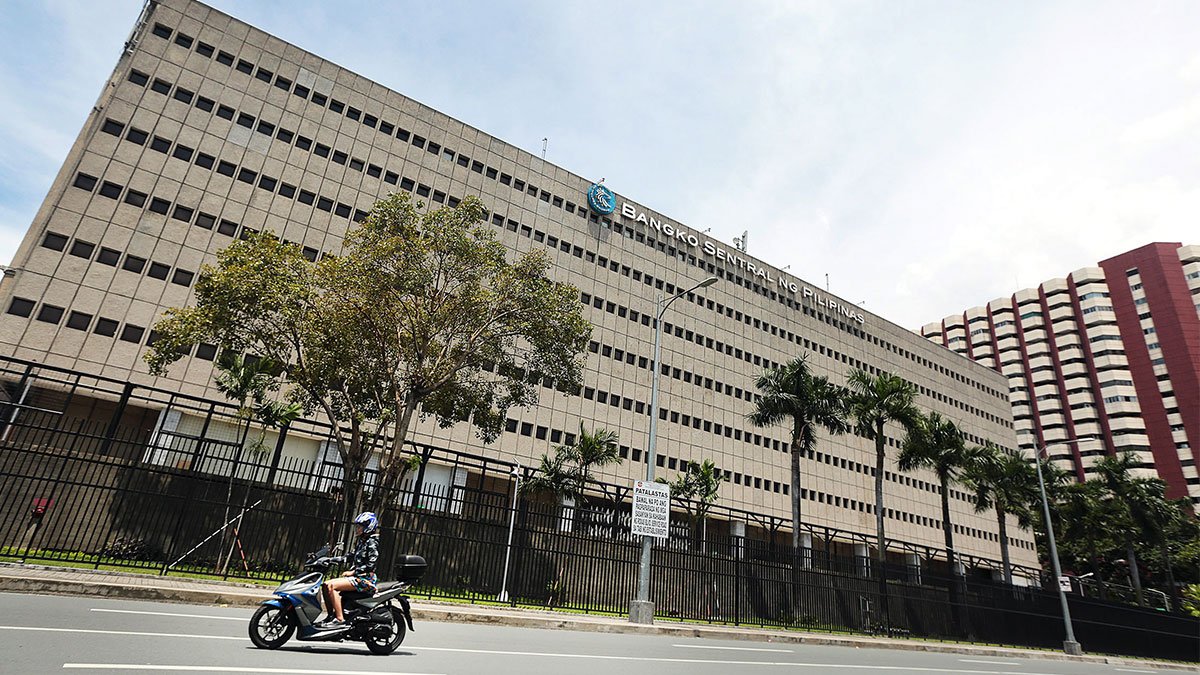
The Philippine economy demonstrated a "stronger capacity" to manage its foreign obligations in 2025, even as the total volume of debt continued to climb. According to the latest data from the Bangko Sentral ng Pilipinas (BSP), the country’s external debt service burden saw a significant decline in the first 11 months of last year, signaling improved macroeconomic stability.
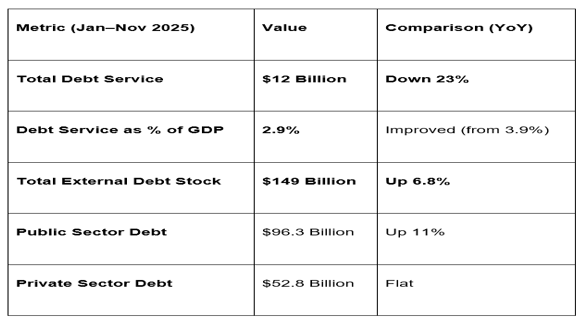
From January to November 2025, the combined public and private sector payments to foreign creditors totaled $12 billion, representing a substantial 23% drop compared to the same period in 2024. This cooling of the debt-servicing bill is being hailed by economists as a vital "buffer" for the Philippines as it navigates global market volatility.
1. Measuring Affordability: GDP and Export Ratios
While the raw dollar amount of debt remains a focus, the BSP emphasizes "debt affordability" metrics to gauge the health of the economy.
Debt-to-GDP Performance: The debt service burden fell to 2.9% of GDP, a sharp improvement from the 3.9% recorded previously. This indicates that the nation's economic output is growing faster than its debt-servicing requirements.
Export Receipt Share: Perhaps the most telling metric for traders is the share of export receipts used for debt. This fell from 30.6% to 20.7%. Essentially, the Philippines now uses only 21 cents of every dollar earned from exports to pay foreign creditors, down from 31 cents a year ago.
2. Principal vs. Interest: The Impact of Global Rate Cuts
The reduction in the debt burden was driven largely by a collapse in principal repayments, though interest costs also trended lower.
Principal Payments: These plummeted by nearly 42% to $4.7 billion. Analysts, including RCBC Chief Economist Michael Ricafort, suggest this is likely due to a "favorable maturity profile"—meaning fewer large-scale loans fell due in 2025 compared to the high-redemption cycle of 2024.
Interest Payments: These slipped 1.6% to $7.2 billion. The stability here is attributed to the start of the global interest rate easing cycle, particularly the US Federal Reserve’s pivot toward rate cuts, which has tempered the cost of variable-rate offshore borrowings.
3. The Total Debt Picture: Public vs. Private
Despite the easing service burden, the total stock of external debt reached $149 billion, a 6.8% annualized increase.
Public Sector: Government offshore liabilities grew 11% to $96.3 billion (20% of GDP). This reflects the government's ongoing strategy to fund infrastructure projects through a mix of domestic and foreign bonds.
Private Sector: Private obligations remained flat at $52.8 billion (10.9% of GDP), suggesting that Philippine corporations are being more cautious with foreign-denominated debt to avoid currency risks.


GME Academy Analysis: "A Shield for the Peso"
At Global Markets Eruditio, we view the easing debt service burden as a fundamental support pillar for the Philippine Peso (PHP).
Trader's Takeaway for February 2026:
PHP Resilience: A lower debt-servicing bill means less demand for Dollars (USD) from the national treasury and private firms. This reduces the "outflow pressure" on the PHP, helping it remain competitive even during periods of USD strength.
Credit Rating Outlook: These improved affordability ratios are precisely what agencies like Fitch and Moody’s look for. This data supports the Philippines' investment-grade rating, keeping borrowing costs low for local companies.
Macro Stability: The "21 cents per export dollar" ratio provides the BSP with more breathing room. With a healthier debt profile, the central bank is less likely to be forced into "defensive" rate hikes solely to protect the currency.
Join our FREE Macro Workshop at Global Markets Eruditio!
Is the Philippines outperforming its EM peers? We’ll analyze the BSP’s Debt Sustainability Framework and show you how to trade the USD/PHP as global interest rates continue to fall.
