

Philippine Seafaring Industry Anchors Economy — Generates Over PHP1 Trillion in Output
Seafaring: A Vital Lifeline for the Philippine Economy
The Philippine seafaring industry continues to serve as a key driver of the nation’s economy, contributing over PHP1.06 trillion in total output and supporting nearly 400,000 jobs in 2024, according to a study by the Center for Research and Communication (CRC).
At a press briefing, CRC president Winston Conrad Padojinog highlighted the sector’s dual impact: the spending of shipowners in the Philippines and the remittances sent home by Filipino seafarers, both of which inject significant capital into the local economy.
“Over the last five years, this sector has contributed almost PHP1.5 trillion in economic output, averaging about PHP377 billion annually, accounting for roughly 20 percent of total overseas remittances and 1.6 percent of our GDP,” Padojinog explained.
He emphasized that this represents only the direct impact — when considering multipliers, the sector’s true contribution is much larger.
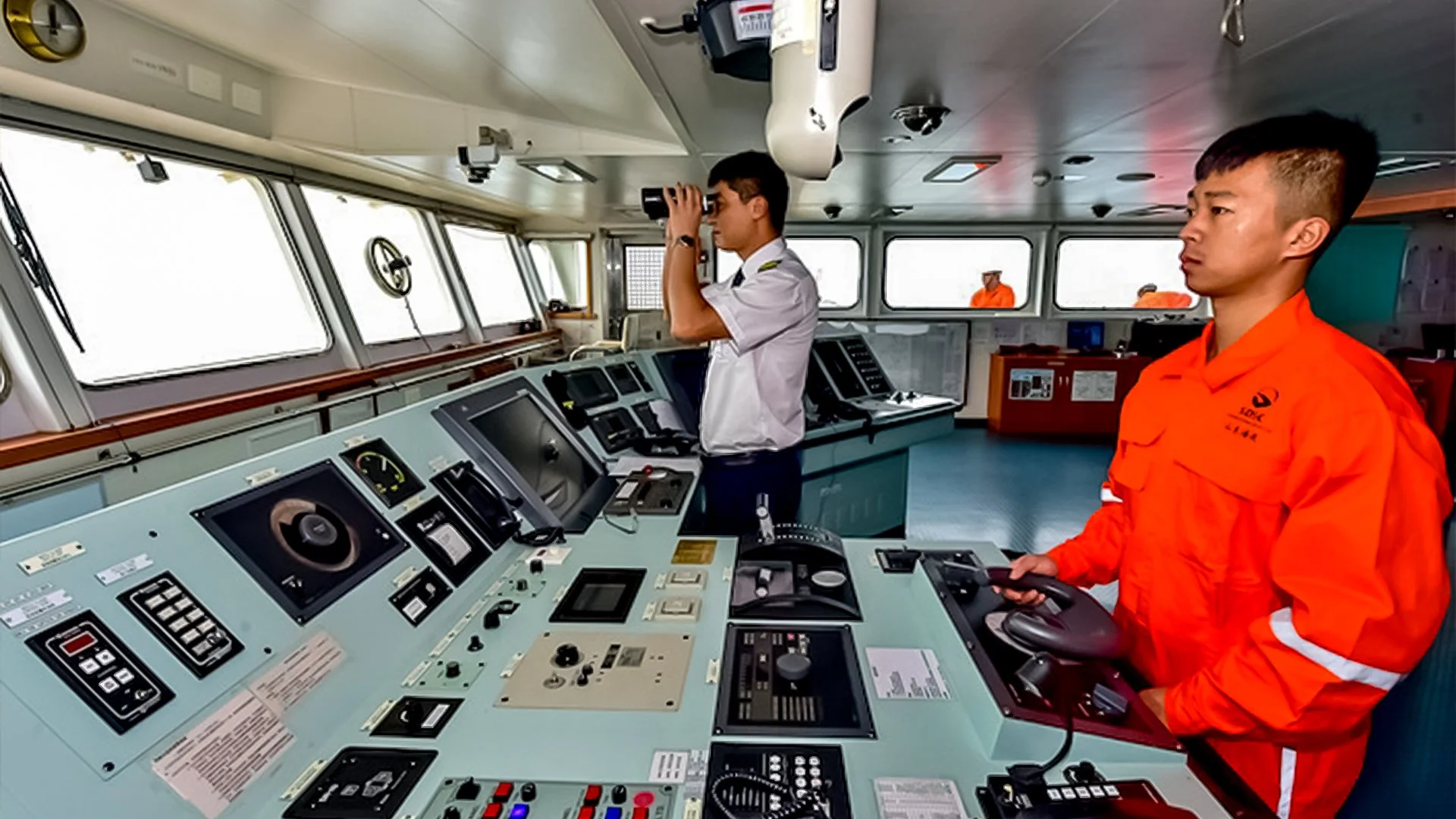
Seafarers’ Remittances Fuel Communities
The study found that seafarers’ remittances play a crucial role beyond their immediate households. Money sent home goes into:
Food and basic consumption
Housing and transportation (including motorcycles and cars)
Education and skill development
Padojinog explained the industry multiplier effect:
“For every PHP1 spent by households, it generates at least PHP3 in total economic output. For example, PHP287 billion in direct household spending can produce as much as PHP800 to 900 billion more across the economy.”
This multiplier effect illustrates how the seafaring industry lifts families out of poverty. Each deployed seafarer significantly improves the income class of their household — for a family of five, incomes can rise from PHP300,000 annually to over PHP800,000.
Trillion-Peso Economic Impact
The CRC study revealed a breakdown of 2024’s economic contributions:
Foreign shipowners’ spending: PHP54.3 billion (training, accommodation, pre-deployment requirements)
Filipino seafarers’ remittances: PHP277.4 billion
Together, these activities generated:
PHP331.7 billion in direct economic impact
PHP1.06 trillion in total output (equivalent to 4% of GDP)
PHP150.1 billion in household income
398,839 jobs (0.8% of national employment)
Shipowners’ direct spending alone supported 116,155 jobs and PHP43.7 billion in household income.


Challenges Facing the Industry
Despite its economic importance, the Philippine seafaring sector faces regulatory and operational challenges:
Regulatory uncertainty and inconsistent enforcement may drive shipowners to relocate contracts abroad.
Competition from other nations like India, Indonesia, and China threatens the Philippines’ competitive edge.
Crew welfare concerns, including mental health, require attention.
Padojinog stressed the need for long-term planning, policy stability, and investment in training to sustain the industry’s global competitiveness.
“What makes the Philippines competitive is a mature industry chain and the confidence shipowners place in Filipino talent. We must protect both the talent and the supporting industries to maintain our edge,” he said.
Why It Matters
The Philippine seafaring industry is not just about employment; it’s a cornerstone of the national economy. Through remittances and industry spending, it supports households, communities, and entire sectors, boosting GDP, household incomes, and poverty reduction.
For investors, policymakers, and Forex traders, understanding the economic weight of the seafaring sector is crucial, especially when analyzing the Philippine Peso (PHP), trade flows, and national economic health.
Bottom Line
The seafaring industry remains a strategic economic anchor for the Philippines. To maintain this advantage, stakeholders must address regulatory, welfare, and competitive challenges while continuing to invest in Filipino talent. The sector’s multiplier effects underscore its broader role in driving national growth, elevating households, and sustaining employment.
Join Our FREE Forex Workshop!
At GME Academy, we teach Forex Trading for Beginners using real-world economic insights like the impact of the seafaring industry on the Philippine economy.
Learn how remittances, industry spending, and GDP trends influence the Philippine Peso (PHP) and Forex markets.
Sign up for our FREE Forex workshop today and turn economic knowledge into trading opportunities!
