

Fiscal Discipline in Focus: President Marcos Signs ₱6.793-Trillion 2026 Budget
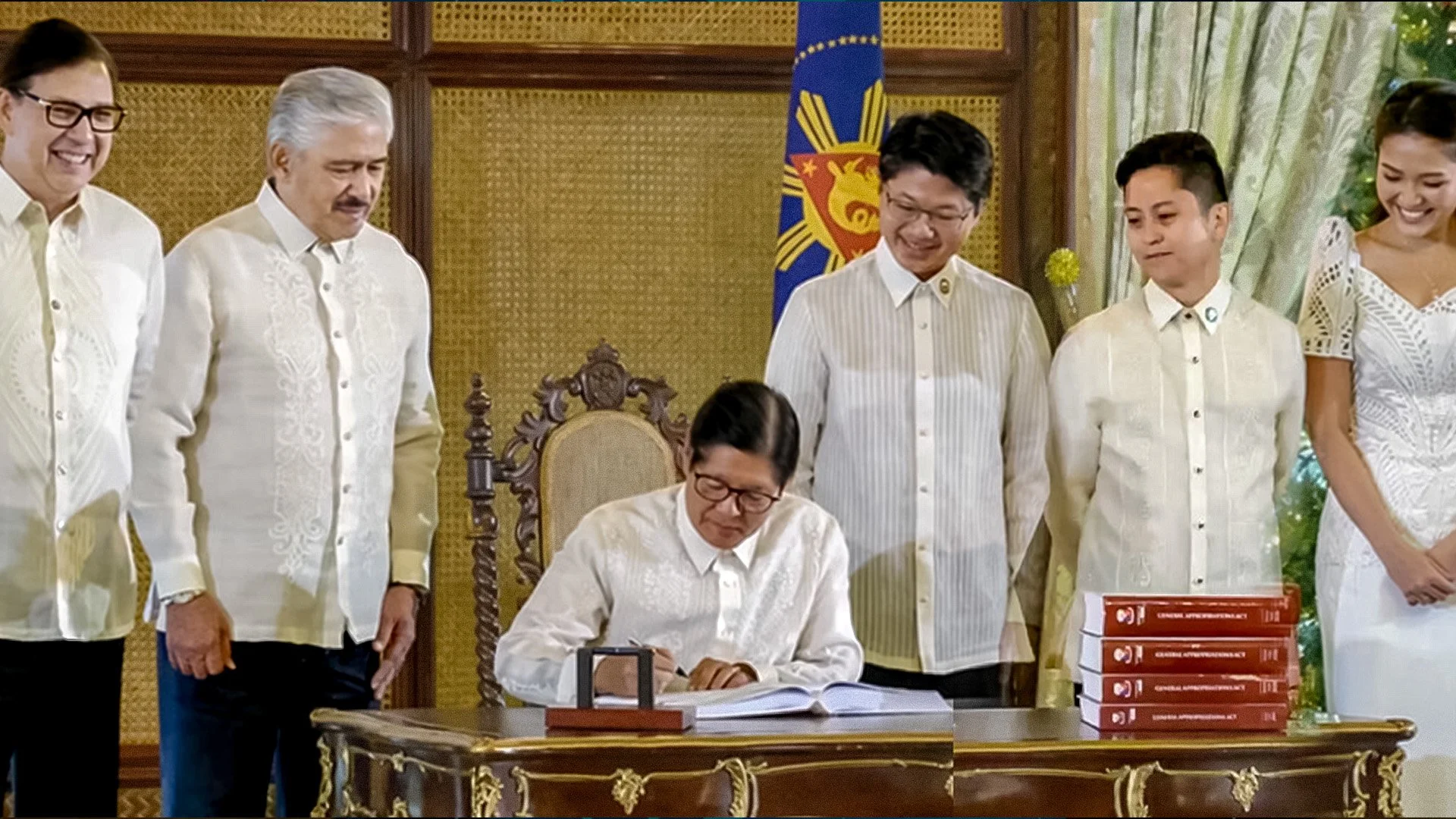
In a move to reinforce government transparency and accountability, President Ferdinand R. Marcos Jr. officially signed the ₱6.793-trillion National Budget for 2026 on January 5, 2026. The signing of Republic Act No. 12314, or the General Appropriations Act (GAA) of 2026, marks a pivotal shift toward human capital development while simultaneously tightening the reins on discretionary spending.
The hallmark of this year’s budget enactment was the President’s decision to veto nearly ₱92.5 billion in unprogrammed appropriations. This strategic move reduces "standby funds" to their lowest level since 2019, sending a clear signal to both domestic stakeholders and global markets that the Philippines is prioritizing fiscal sustainability.
The Unprogrammed Appropriations Veto: Closing the "Backdoor"
Unprogrammed appropriations are essentially standby funds that can only be tapped if the government exceeds revenue collection targets or secures new foreign loans. However, these funds have historically faced criticism for being vulnerable to misuse.
By vetoing ₱92.5 billion, President Marcos addressed public concerns regarding "discretionary" spending. In his veto message, he emphasized:
"Unprogrammed appropriations are not blank checks. We will not allow them to be misused or treated as a backdoor for discretionary spending that could widen our fiscal deficit."
Remaining Unprogrammed Funds (Totaling ₱150.9 Billion):
Support to Foreign-Assisted Projects: ₱97.3 billion
AFP Modernization Program: ₱50.0 billion
Risk Management Program: ₱3.6 billion
2026 Budget Priorities: Investing in the Filipino People
Despite the cuts to unprogrammed funds, the core 2026 budget remains the largest in Philippine history, with record-breaking allocations for social services and infrastructure.
1. Education: The Top Priority (₱1.345 Trillion)
As mandated by the Constitution, education received the lion's share of the budget.
Impact: Funding for 32,916 new teaching positions and the construction of 24,964 classrooms.
Goal: To meet international benchmarks for education spending and modernize the learning environment.
2. Healthcare: A Historic High (₱448.1 Billion)
The health sector received its largest allocation ever to support the Universal Health Care (UHC) program.
Key Programs: Zero Balance Billing (ZBB) for local government hospitals and nearly ₱130 billion for PhilHealth (including ₱60 billion restored per Supreme Court order) to lower out-of-pocket expenses for families.
3. Agriculture and Food Security (₱297.1 Billion)
With a focus on modernizing the supply chain, the budget allocates billions to:
Infrastructure: Farm-to-market roads and post-harvest facilities.
Support: Direct aid and modernization tools for farmers and fisherfolk to combat inflation.

What This Means for Global Markets and Forex
For the global investor community and those following GME Academy insights, the 2026 budget is a "stabilization signal."
USD/PHP Impact: Fiscal discipline (reducing the deficit through vetos) typically strengthens the Philippine Peso over the long term by improving the country's credit profile.
Investor Confidence: The administration's push for transparency—including the first-ever livestreaming of Bicameral Conference Committee proceedings—aims to restore trust following 2025’s graft probes.
Economic Growth: By focusing on human capital (Education and Health), the government is betting on long-term productivity gains to sustain GDP growth.
Strengthening the National Foundation
The 2026 budget is more than just a spending plan; it is a governance reform tool. By removing "pork-like" unprogrammed funds and barring politicians from the direct distribution of cash aid, the administration is attempting to shift toward a more institutionalized, less personality-driven government.
Are you Ready to Understand How National Policies Drive Market Movements?
Whether you are a trader in Manila or an investor looking at the US Dollar, understanding the "power of the purse" is vital.
Join our FREE Forex Workshop to learn how to interpret national budgets and trade the economic shifts that follow.
