

The Philippine "Wallet" Paradox: Purchasing Power Rises as Consumer Confidence Hits 4-Year Low
The Philippine economy is entering 2026 with a dual identity. On one hand, a tight labor market is finally pushing real wages into positive territory; on the other, a "cocktail of risks"—ranging from corruption scandals to sticky inflation—has driven consumer sentiment to its lowest point since 2021.
According to a February 2026 outlook from BMI Research (a Fitch Solutions unit), the Filipino consumer will remain the economy’s primary engine, though the "fuel" is becoming increasingly expensive. BMI projects real household spending growth will moderate to 4.5% this year, reaching a total of P14.1 trillion.
1. The Income Engine: Real Wages and Remittances
Despite the cautious headlines, the fundamental "pillars" of Filipino income remain structurally sound.
Real Wage Gains: For the first time in several quarters, nominal wage growth is expected to outpace inflation. With the unemployment rate projected to improve to 4.2% in 2026, workers have more bargaining power, supporting a 18.2% rise in purchasing power compared to 2019 levels.
Remittance Record: Remittances remain the economy's "lifeblood." Cash transfers reached a record $35.63 billion in 2025, providing a critical buffer against the Peso’s gradual depreciation (forecasted at P58.50:$1 for 2026).
The BPO Buffer: The Business Process Outsourcing sector continues to anchor the labor market, providing high-value service jobs that insulate the middle class from agricultural volatility.
2. The "Confidence Gap": Why Sentiment is Soured
If incomes are rising, why are Filipinos feeling so pessimistic? Consumer confidence plummeted to -22.2 in late 2025, driven by three distinct factors:
"Sticky" Inflation: While headline inflation is within the 2.0%–4.0% target, "core" and "services" inflation remain stubborn. BMI expects an average of 3.1% in 2026, forcing families to spend a larger share of their budget on essentials like food and utilities.
Infrastructure & Governance: A sweeping anti-corruption drive regarding "flood control projects" led to a significant slowdown in government spending in late 2025. This "fiscal drag" caused GDP growth to miss targets, expanding only 3% in Q4 2025—the slowest pace in 14 years outside of the pandemic.
Household Debt: Elevated interest rates have pushed debt-servicing costs to uncomfortable levels for many middle-income families, limiting their ability to spend on "durable goods" like cars or electronics.
3. Macro Outlook: Growth Within Grasp
BMI has maintained its 5.2% GDP growth forecast for the Philippines in 2026. While this is an improvement over the 4.4% full-year print of 2025, it remains at the lower end of the government’s 5%–6% target.


The GME Academy Analysis: "Value-Oriented Consumption"
At Global Markets Eruditio, we anticipate a "Strategic Shift" in Philippine retail for 2026.
Trader's Takeaway for February 2026:
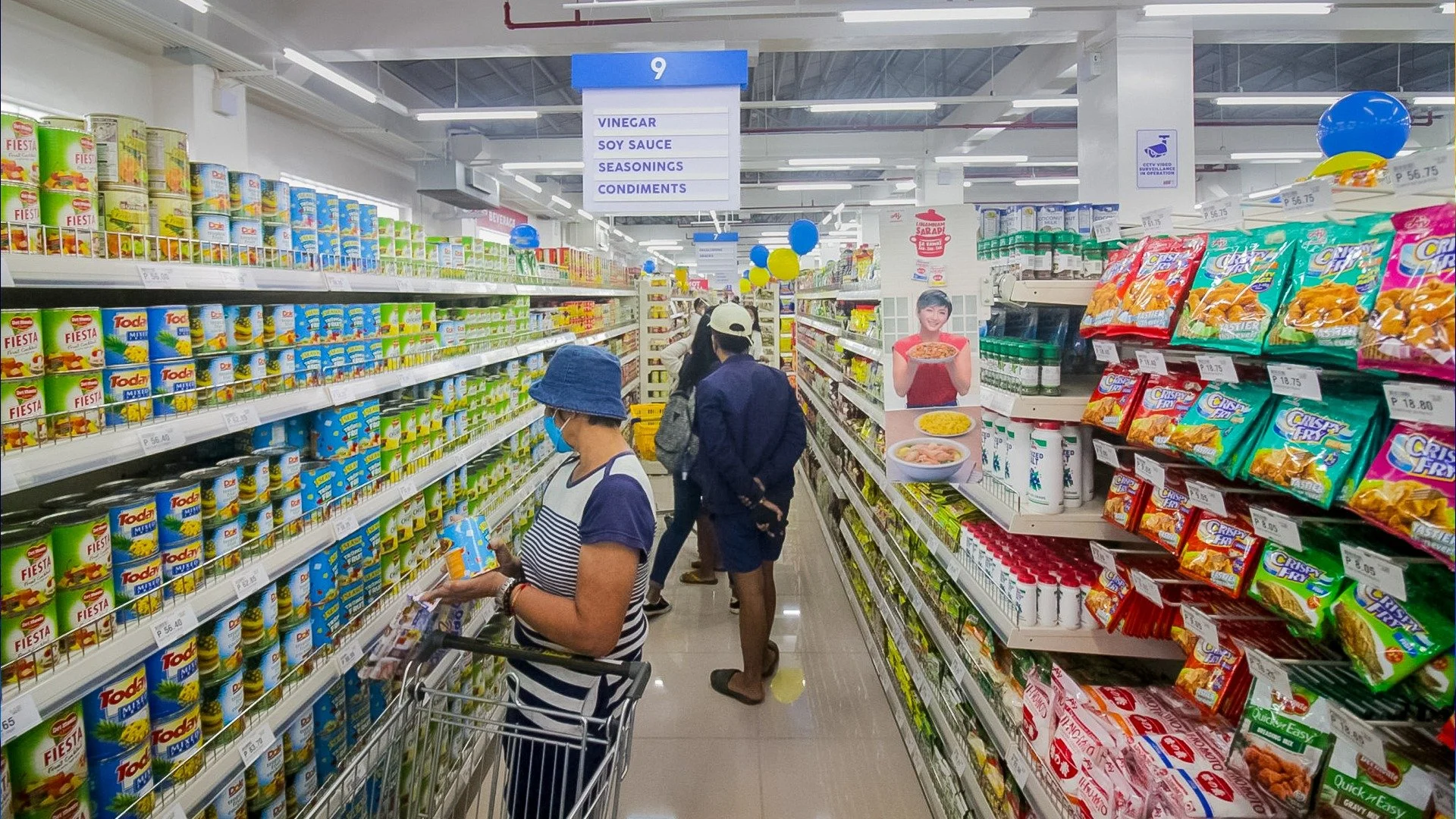
Retail Strategy: Consumers are moving away from "luxury durables" toward "essential services" and value-oriented options. We are looking at Puregold and SM Retail as potential winners as they capture the "selective" spending of a cautious public.
Monetary Policy: With inflation "tilted to the downside" (the BSP even flags a 44.8% chance of sub-2% inflation by late 2026), the Bangko Sentral ng Pilipinas has room to cut rates by another 50-75 basis points. This would offer much-needed relief to debt-burdened households.
Investment Risk: The "wild card" is the South China Sea. Any escalation in maritime disputes could further dampen investor sentiment and weaken the Peso beyond the P59 mark.
Join our FREE Macro Workshop at Global Markets Eruditio! Are you prepared for the "Selective Spending" era? We’ll break down the BMI 2026 Consumer Report and show you how to identify the Philippine stocks that thrive when the public "opens their wallets" with caution.
