

The Peso Problem Every Filipino Feels
Corruption doesn’t just steal public funds—it shakes the very currency you use every day. The Philippine peso is not immune to the effects of misused funds, rigged contracts, and opaque governance. When trust in government erodes, investors hesitate, withdraw capital, and the peso weakens. The ripple effect hits everyone: fuel, rice, wheat, and other essential goods become more expensive, squeezing household budgets.
Corruption Drives Away Investors
Investors—both local and foreign—seek stability and transparency. Corruption scandals, such as overpriced government projects, ghost schools, or mismanaged flood control budgets, erode confidence. When investors sense instability, they hesitate to build factories, open hotels, or invest in ports and logistics hubs. Some pull out entirely, taking their capital elsewhere.
For example, major infrastructure projects in the past have suffered cost overruns or delays due to mismanagement. Foreign companies that could have invested in manufacturing or technology instead chose neighboring countries like Vietnam or Indonesia, which offer more predictable governance. The result is fewer businesses setting up shop in the Philippines, fewer jobs created, and a weaker currency.
Every dollar that leaves the country adds pressure on the peso, making imports more expensive and driving inflation higher.
The Peso Feels the Pressure
When the peso weakens, it directly affects the cost of everyday goods. Fuel prices rise, increasing the cost of transportation and delivery of goods. Essential imports like rice, wheat, and medicines become more expensive. Even school tuition and household expenses feel the squeeze because higher transportation and production costs ripple through the economy.
Historical examples show the connection clearly. Periods following revelations of public fund misuse—such as overpriced construction projects or ghost procurement schemes—coincide with sharp peso depreciations against the US dollar. Families end up paying more for the same goods and services, even if they have no direct involvement in government or foreign trade.
Inflation Rises, Everyday Life Suffers
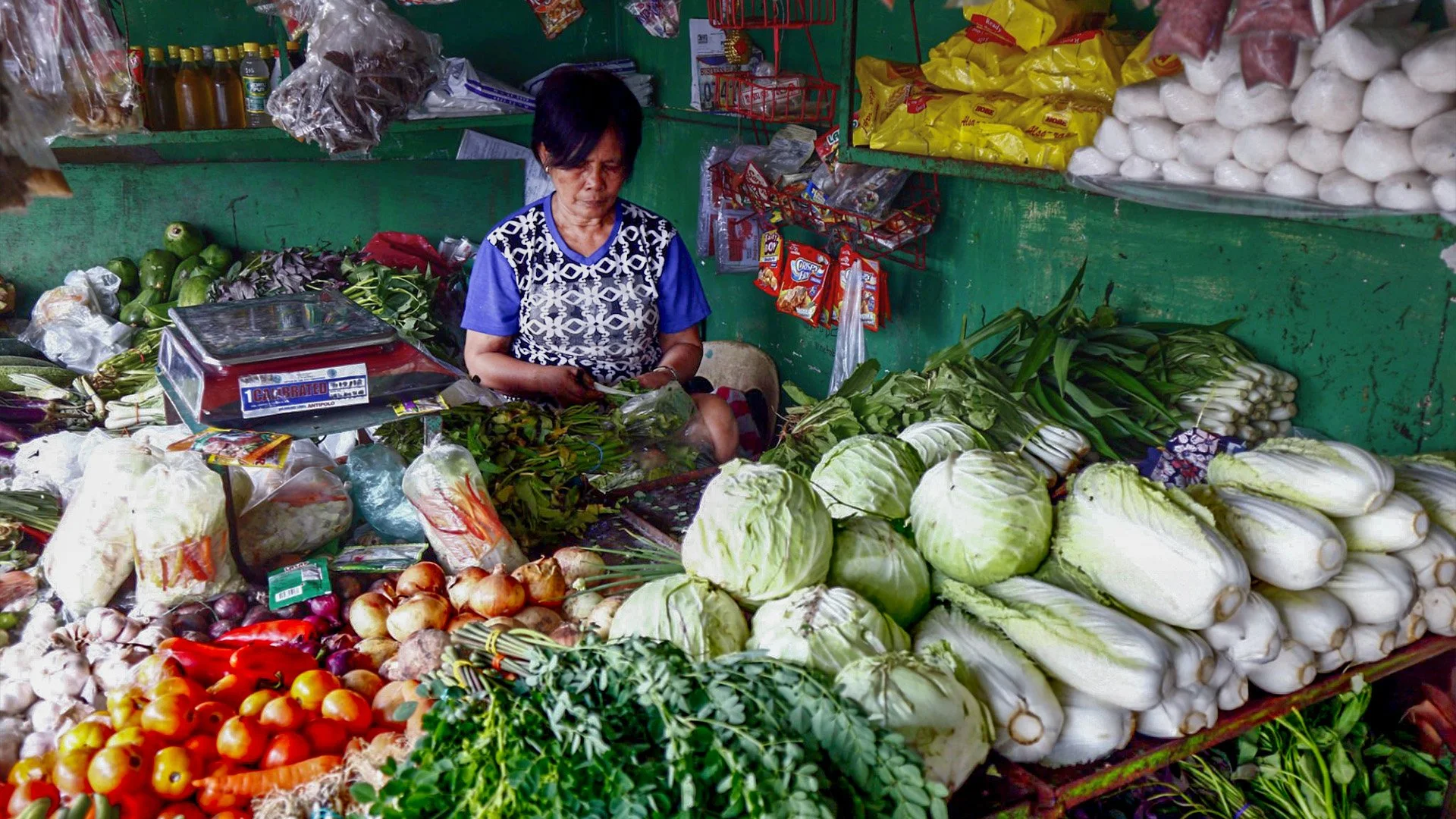
Inflation isn’t just a statistic; it’s the reality of higher palengke prices, rising electricity bills, and costlier transportation. A weakened peso increases the cost of imports, forcing households to stretch their limited budgets. This situation disproportionately affects low- and middle-income families, who spend a larger portion of their income on food, utilities, and transport.
In the long term, persistent corruption and the resulting currency volatility make it difficult for businesses to plan investments, for families to save, and for the government to stabilize the economy. Every misused peso contributes to a cycle of uncertainty and financial strain.


Breaking the Cycle: How Filipinos Can Protect the Peso
The impact of corruption on the peso is not inevitable. Every Filipino has a role to play in strengthening the economy and stabilizing the currency:
Elect Honest Leaders – Vote for candidates who prioritize public welfare and demonstrate integrity.
Monitor Public Spending – Engage in community initiatives to track government projects and budgets.
Report Misuse – Support and protect whistleblowers who expose corruption before it worsens economic instability.
Stay Informed – Understanding how corruption affects currency and inflation empowers better financial decisions.
Every small action counts. Refusing to tolerate bribery, vote-buying, or mismanagement strengthens governance and helps protect the peso. Citizens who actively monitor spending, question anomalies, and promote transparency contribute to a more stable economy.
Corruption may seem like a distant political issue, but it is intimately connected to the money in your wallet. Every peso lost to misused funds translates into higher prices, weaker purchasing power, and greater financial pressure on ordinary Filipinos.
The time to act is now. Protect your future. Guard your vote. Demand transparency. Refuse to participate in bribery or corrupt practices. Every peso saved, every awareness raised, and every act of resistance strengthens the economy and helps ensure that the peso serves the people—not the pockets of a few.
