

From Red Tape to Real-Time Dashboards: The Philippines' Digital Leap to Clean Up Agriculture
The Philippines has long grappled with the challenge of ensuring public funds designated for vital sectors like agriculture and infrastructure are efficiently and honestly utilized. This week, a significant reform effort was launched to tackle this head-on, focusing on transparency and digital accountability.
Senator Francis Pangilinan, Chairman of the Senate Committee on Agriculture, Food and Agrarian Reform, announced the introduction of new mechanisms for the Department of Agriculture (DA) and the National Irrigation Administration (NIA). These initiatives utilize digital technology to fundamentally shift government oversight from reactive auditing to real-time public monitoring.
For analysts concerned with Global Markets Eruditio and investors trading Asian currencies, improved governance is a key factor supporting the long-term stability and growth trajectory of the Philippines, and consequently, the PHP.
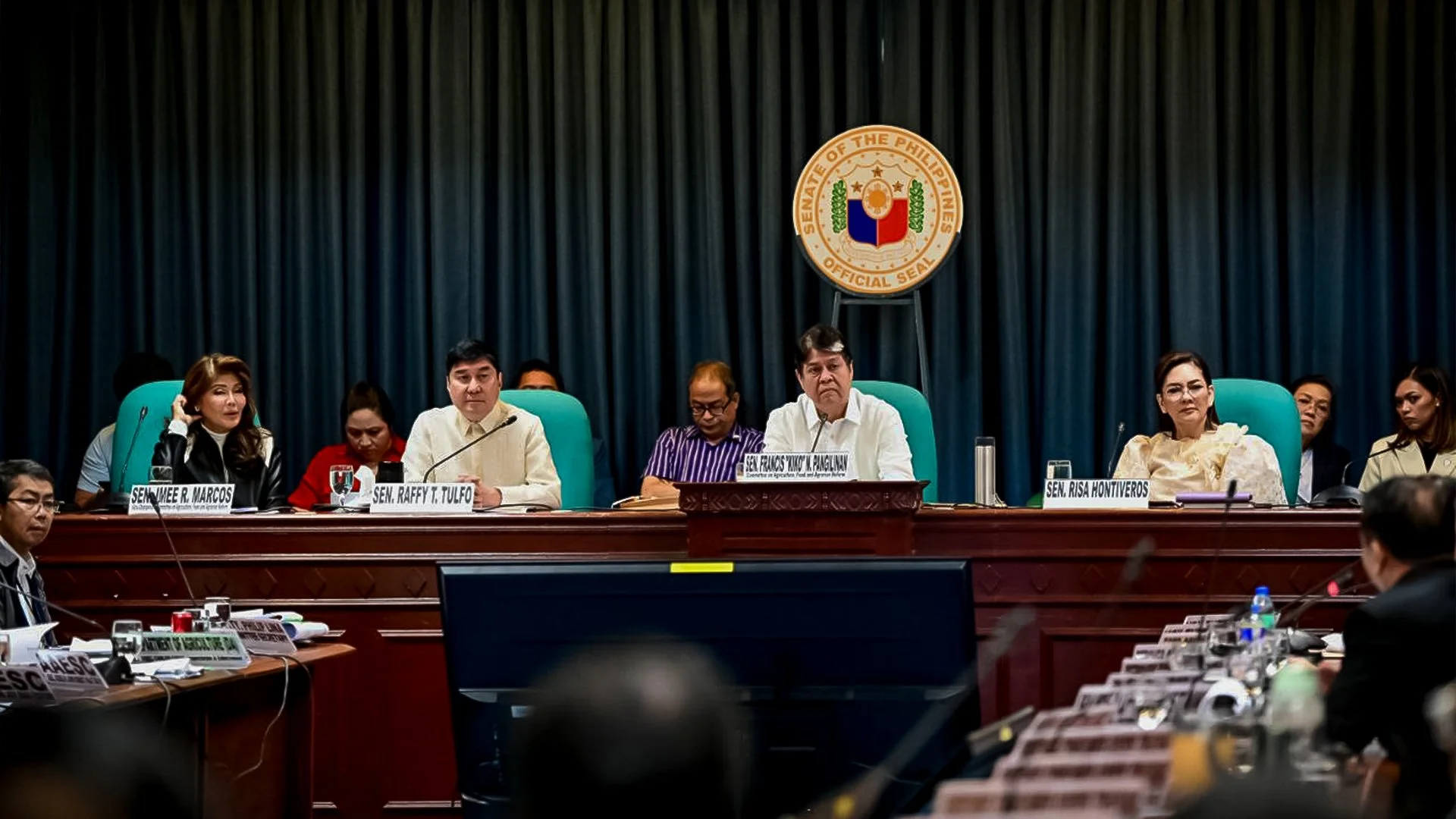
The Digital Shield: Infrastructure Transparency Dashboard
The centerpiece of the new reforms is the impending launch of a comprehensive infrastructure transparency dashboard. This digital tool is designed to provide unprecedented public access to government project data.
Project Monitoring for the Public:
Verification Against Budget and Timeline: Every farm-to-market road and bridge project funded by the DA and NIA will be mapped and tracked on this public dashboard. Citizens can verify the project’s progress against its allocated budget and construction timeline.
Geo-tagging and Photos: As emphasized in the budget debates, the inclusion of geo-tagged photos at key stages (start, mid, and completion) will be a mandatory feature, making it virtually impossible for "ghost projects" or substandard work to go unnoticed.
Pangilinan stated clearly, "Mas madali nang makita ng tao kung saan napupunta ang pera nila," emphasizing that this is direct "evidence of good governance and transparency." This push for open data is a global trend that reduces bureaucratic corruption, a pervasive issue that previously consumed a significant portion of the agriculture sector's already limited budget.
Beyond Audits: Citizen Participation in Accountability
The reforms go beyond simple data disclosure by actively incorporating civil society and the public into the accountability process—a crucial step for deep-seated reform.
1. Citizen Participatory Audit (CPA) Program
The DA will launch a Citizen Participatory Audit program in collaboration with the Commission on Audit (COA). This initiative empowers the public to take an active role in real-time monitoring of projects, effectively creating thousands of eyes on the ground to spot irregularities.
This model is recognized internationally as an effective way to leverage civil society organizations (CSOs) to increase audit coverage and detect red flags, which is particularly vital for projects in geographically dispersed sectors like agriculture and irrigation.
2. Digital Tools and Red Tape Reduction
Senator Pangilinan welcomed broader efforts to strengthen internal audit mechanisms, specifically mentioning the adoption of digital tools to reduce red tape and curb irregularities in procurement and project implementation. Corruption and slow bureaucracy often result in delays, cost overruns, and the non-delivery of essential services to farmers and fisherfolk. By modernizing these systems, the government can achieve better project delivery and ensure funds directly benefit the primary producers.


Forex Implications: The Long-Term PHP Stabilizer
While changes in transparency do not cause the immediate, volatile price swings seen from central bank interest rate decisions, they are paramount for the long-term health of the economy and the stability of the Philippine Peso (PHP).
For Forex Trading for Beginners, it’s a key lesson: the strength of a currency is fundamentally linked to the confidence in its government's institutions.
Increased FDI and Stability: Reducing corruption and improving project efficiency signals a better investment climate. Over time, this attracts more Foreign Direct Investment (FDI) into the Philippine agricultural sector and infrastructure, which generates stable, long-term USD inflows—a key stabilizing factor for the PHP against the US Dollar.
Enhanced Productivity: Irrigation and farm-to-market roads are essential for agricultural productivity. By ensuring these projects are completed on time and correctly, the reforms boost food security and the output of the sector, which contributes to overall GDP growth. Strong, consistent GDP growth is a foundation for a strong currency.
Pangilinan's push underscores the importance of "sustained transparency reforms to ensure that government programs deliver real, measurable benefits." This shift from secrecy to public accountability is a significant step toward making the Philippines a more predictable and attractive destination for global capital.
Are You Trading the Future of Philippine Governance?
The commitment to digital transparency and curbing corruption is a long-term bullish signal for the Philippine Peso, indicating improved structural integrity and better economic management. Mastering the analysis of these fundamental reforms provides a crucial edge.
Don't miss the fundamental shifts in emerging markets.
Join the GME Academy community today and sign up for our FREE Forex Workshop to learn how to translate governance reforms and economic development initiatives into reliable, long-term Forex Trading strategies, giving you mastery over pairs like USD/PHP.
