

US Tariff Exemption Set to Boost Philippine Farmers and Agri-Exporters
The Department of Agriculture (DA) is optimistic that Philippine farm exports will gain a significant competitive advantage following the United States’ decision to exempt more products from its 19 percent reciprocal tariff. This development is expected to provide immediate relief to Filipino farmers and agricultural producers while improving the Philippines’ competitiveness in one of the world’s largest consumer markets.
In a recent Bagong Pilipinas interview, DA Assistant Secretary Arnel De Mesa emphasized that the expanded tariff exemption covers over 200 categories of agricultural products. This means that Filipino farmers and exporters will no longer be subjected to the 19 percent U.S. tariff, a move that reduces market entry costs and strengthens the appeal of Philippine goods to American buyers. “We expect here an increase in agricultural exports to the US because more than 200 categories of agricultural products are exempted, we will no longer be subject to the 19 percent US reciprocal tariff, and the granting of additional exemptions will provide immediate relief to Filipino farmers and agri-product exporters,” De Mesa said.
Immediate Benefits for Farmers and Exporters
The expanded exemptions are expected to have a direct and tangible impact on the livelihood of Filipino farmers. By removing the tariff barrier, Philippine agricultural products can be offered at more competitive prices, making them attractive to U.S. importers. Unlike some previous trade measures, the new exemption does not set any limits on the volume or value of exports, allowing farmers and exporters to fully capitalize on the opportunity.
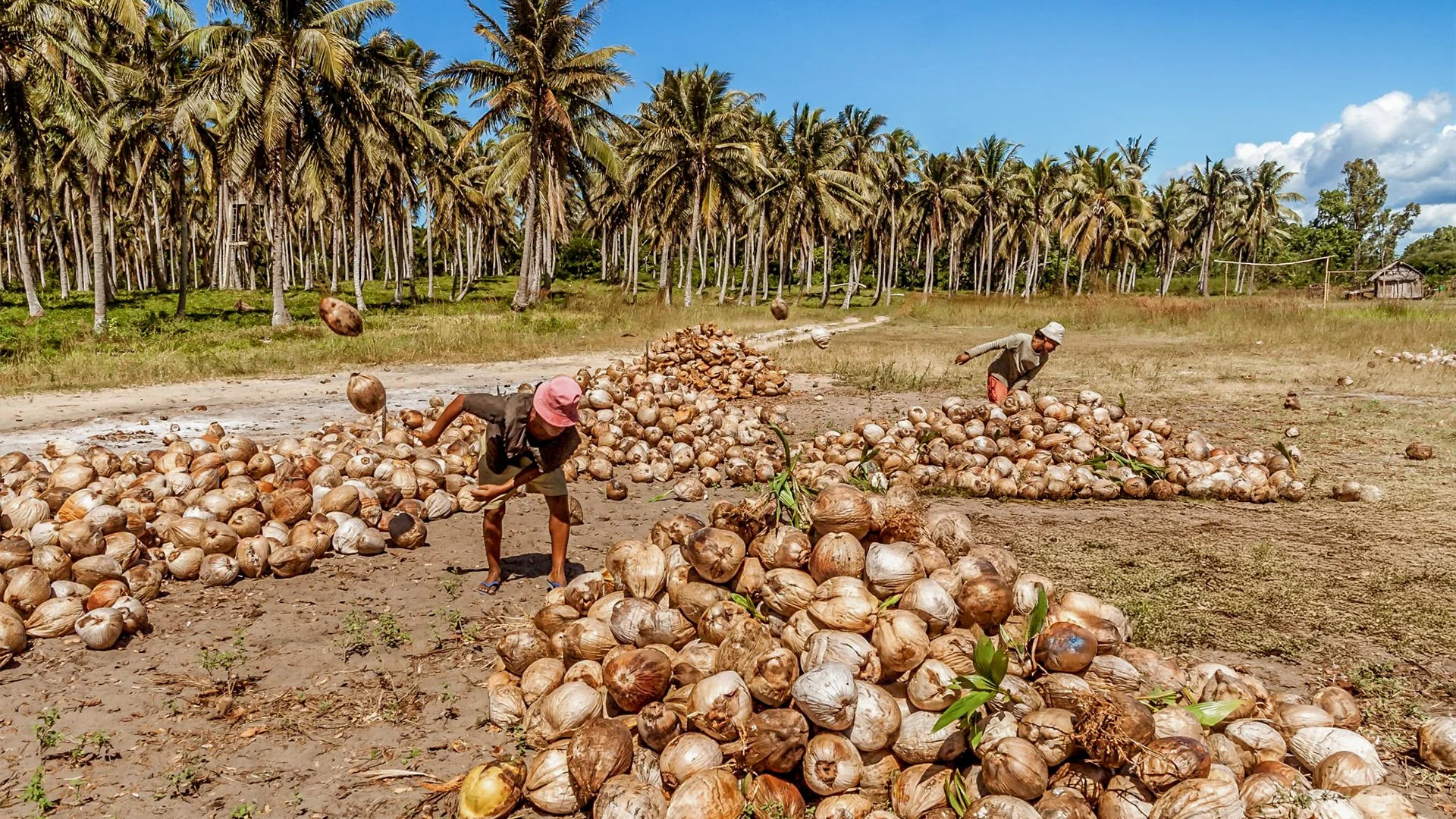
In 2024, Philippine exports to the United States reached USD 12.12 billion, with a significant portion coming from coconut-based products. With coconut oil, prepared or preserved coconuts, and desiccated coconuts now included in the newly exempted categories, the country’s farmers can expect higher demand, better pricing, and stronger market penetration.
De Mesa noted that reducing market entry costs is particularly important for small and medium-sized enterprises (SMEs), which form a large part of the Philippines’ agricultural export base. By eliminating the 19 percent tariff, even smaller producers can compete on the same level as larger exporters, boosting their profitability and sustaining local farming communities.
Products Covered by the New Tariff Exemption
According to the U.S. government announcement on November 14, the newly exempted products include:
Coconut-based products: Coconut oil, prepared or preserved coconuts, desiccated coconuts
Fruits and processed goods: Fruit juices, processed pineapples, bananas (other than pulp), dried guavas, mangoes, mangosteen
Seafood: Frozen tuna fillets
Other products: Rice wafer products, confectionery products
These additions join previously exempted items such as coffee, tea, cocoa and spices, oranges, tomatoes, beef, and select fertilizers, giving Philippine exporters a diverse and high-value portfolio to offer in the U.S. market.
Economic and Strategic Implications
The tariff exemption not only benefits farmers but also has wider economic implications. By making Philippine products more competitive abroad, the measure can increase export volumes, generate higher revenue, and attract greater investment in agriculture. This, in turn, can create jobs, improve rural livelihoods, and strengthen the country’s agricultural infrastructure.
Furthermore, these exemptions signal enhanced trade cooperation between the Philippines and the United States, which could lead to further opportunities for other sectors beyond agriculture. By demonstrating the ability to meet U.S. market standards and maintain competitive pricing, Philippine exporters can solidify long-term trade relationships with American buyers.
De Mesa emphasized that the tariff exemption is more than just a temporary relief measure; it is a strategic tool that can position the Philippines as a reliable supplier of high-quality tropical products. It also encourages farmers and exporters to continue innovating, improve production techniques, and adopt sustainable practices, all of which enhance the country’s competitiveness in the global market.


Looking Ahead
The Department of Agriculture urges Filipino farmers and exporters to take full advantage of the expanded tariff exemptions. By maintaining high product quality, adhering to export standards, and actively engaging with U.S. buyers, the Philippines can maximize its benefits from this policy shift.
The move also underscores the importance of continued government support, investment in agriculture, and proactive trade negotiations to ensure that Philippine products remain competitive and profitable in key international markets.
Takeaway
The expanded U.S. tariff exemptions are a win-win: they relieve Filipino farmers and exporters, enhance competitiveness, and open doors for long-term growth in the agricultural export sector. With strategic planning and strong market execution, Philippine agriculture is well-positioned to thrive in 2025 and beyond.
Want to learn more about trade opportunities and export strategies for Philippine agricultural products?
Join our FREE workshop at GME Academy and discover how to maximize your export potential and succeed in global markets.
