

PH and Canada Strengthen Military Ties: What the New Visiting Forces Pact Means for Security and Trade
A New Chapter in PH–Canada Relations
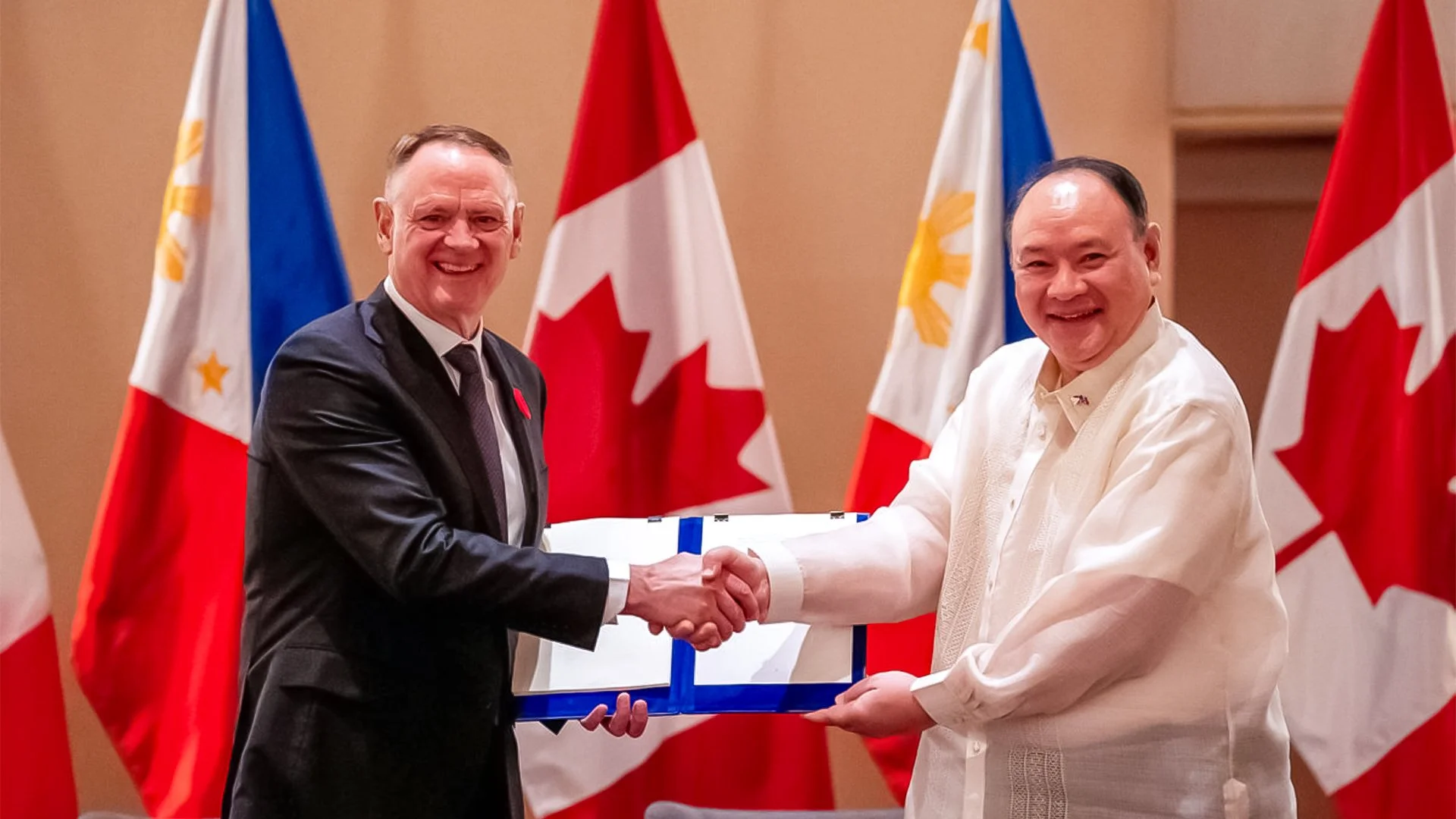
MANILA – The Philippines and Canada are set to formalize a Status of Visiting Forces Agreement (SOVFA) on November 2, marking a significant step toward strengthening defense and strategic cooperation between the two nations.
According to the Department of National Defense (DND), the agreement will be signed by Defense Secretary Gilberto Teodoro Jr. and Canadian Minister of National Defense David McGuinty. The signing will take place in Makati City, followed by a joint press conference to discuss the pact’s implications.
This milestone follows the successful conclusion of negotiations last March 7, and it comes at a pivotal time as both nations reaffirm their diplomatic relationship after celebrating 75 years of partnership in 2024.
What the Agreement Covers
The upcoming SOVFA establishes a legal framework that will govern the presence and activities of visiting military personnel between the Philippines and Canada.
According to the DND, the agreement is designed to:
Enhance defense cooperation between the two countries,
Improve interoperability between armed forces,
Facilitate joint training exercises and capacity-building activities, and
Strengthen overall strategic collaboration in regional security.
In simpler terms, this deal makes it easier for Canadian forces to train, operate, or conduct humanitarian missions in the Philippines—and vice versa—while ensuring both sides’ sovereignty and legal systems are respected.
Why It Matters: Security Meets Strategy
This pact goes beyond defense—it has deeper geopolitical and economic implications.
For the Philippines, the SOVFA signals continued diversification of its international defense partnerships, especially at a time when regional security in the Indo-Pacific remains a central concern. Strengthened ties with Canada also underscore Manila’s intent to balance its alliances between Western and Asian partners.
For Canada, this agreement expands its strategic footprint in Asia, aligning with Ottawa’s broader Indo-Pacific Strategy. With increased regional tensions, joint training and coordinated missions with allies like the Philippines are seen as essential for maintaining peace and readiness.
Economic and Trade Undercurrents
While the SOVFA is primarily a defense pact, stronger military and diplomatic ties often spill over into economic collaboration. Both countries are likely to see increased cooperation in defense technology, logistics, and security infrastructure—sectors that attract investment and generate employment.
For Forex traders, particularly those tracking USD/CAD or USD/PHP, such agreements can influence investor confidence and currency flows.
A stronger defense partnership can boost perceptions of political stability—generally positive for the peso.
At the same time, closer ties between Canada and the Philippines could also encourage trade and investment discussions, indirectly benefiting both economies.
Understanding these connections is key for Forex trading beginners, as geopolitical events often serve as early signals for potential currency movement or volatility.


Global Markets Eruditio Insight
At GME Academy (Global Markets Eruditio), we teach traders that not all market movements come from charts and indicators—some begin with news like this. A defense agreement, while not directly financial, affects the broader risk appetite in global markets.
For example:
Strengthened alliances can stabilize investor sentiment.
Improved bilateral cooperation may boost economic confidence.
On the flip side, increased defense spending could affect inflation and interest rate projections, especially if financed domestically.
These factors, while subtle, shape the environment in which currency pairs like USD/CAD and USD/PHP move.
The Bigger Picture: Strengthening the Future
The Philippines–Canada SOVFA is more than just a diplomatic formality—it’s a signal that both nations are investing in long-term security and cooperation. With growing global uncertainty, agreements like this ensure mutual readiness, regional stability, and stronger bilateral trust.
As the pact awaits Presidential ratification, the focus shifts to implementation and its potential ripple effects—not just for defense, but for trade, investment, and even currency markets.
Join Our FREE Forex Workshop!
Want to understand how international agreements and global headlines move currency prices?
At GME Academy, we simplify the complex world of Forex trading for Filipinos—teaching you how to connect geopolitical events to real market opportunities.
Join our FREE Forex Workshop today and start learning how global news translates to forex profits!
