

“Where Were They During Tino and Uwan?” 24 LGU Officials Face Complaints for Skipping Duty
When Typhoons Tino and Uwan swept through the Philippines this month, residents across affected provinces braced for torrential rains, flooding, and strong winds. Families secured their homes, stocked up on essentials, and helped neighbors prepare for the worst. Yet, amid this chaos, reports emerged that at least 24 local government officials were out of the country, leaving their constituents without leadership when it was needed most.
The Department of the Interior and Local Government (DILG) has confirmed that complaints will be filed against these officials before the Office of the Ombudsman. Among them are Cebu officials who reportedly flew to Europe for leisure trips during the disaster. Secretary Juanito Victor “Jonvic” Remulla stated, “Halos kumpleto na. We will file the corresponding cases sa Ombudsman sa mga na-violate blatantly sa mga ginawa nila. Kung sino man kailangan parusahan, paparusahan.” This includes allegations of abandonment of duty, gross neglect, and insubordination.
Leadership Matters: Why Citizens Should Care
Local government officials are more than ceremonial figures—they are legally obligated to lead disaster response efforts in their communities. As chairs of their respective Disaster Risk Reduction and Management Councils (DRRMCs), they are expected to oversee every stage of disaster management: preparation, response, and recovery.
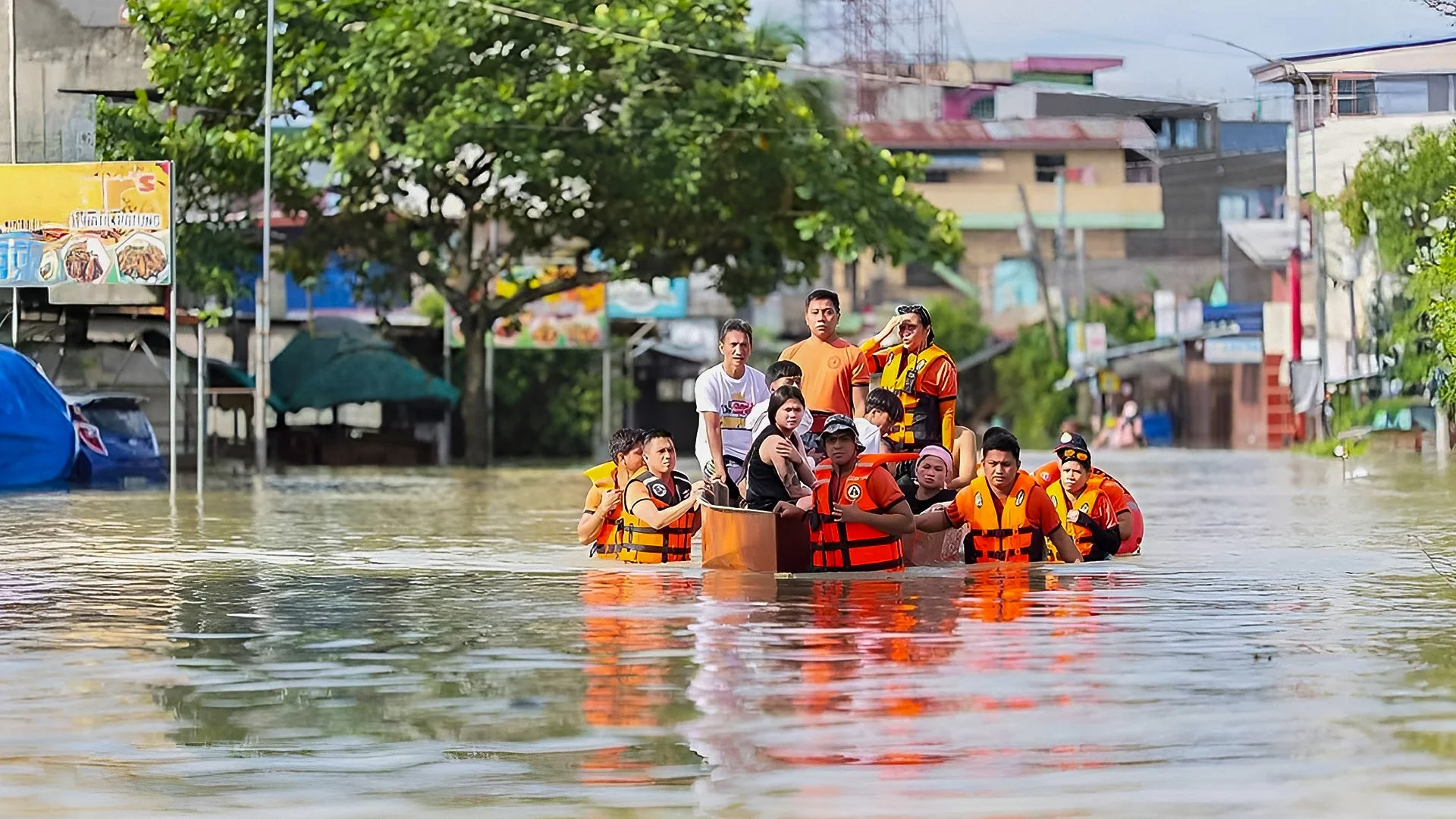
When leaders are absent during critical moments, the consequences are immediate and real. Evacuation orders can be delayed, relief distribution may be slower, and emergency coordination can break down. Ordinary citizens often become the frontline responders, stepping in to organize shelters, distribute food and water, and monitor vulnerable neighbors. While such community spirit is admirable, it underscores the dangers of absent leadership.
Real-Life Impacts on Communities
The absence of LGU executives is not just a bureaucratic issue—it directly affects families on the ground. Consider these scenarios during Tino and Uwan:
Grocery and price monitoring delays: LGUs are responsible for activating Local Price Coordinating Councils to prevent overpricing during disasters. Without officials present, spikes in prices for essentials like rice, bread, and bottled water can go unchecked.
Slower emergency services: Coordination with regional DRRMCs and the DILG ensures timely deployment of rescue teams and relief goods. Leadership absence can delay these critical decisions.
Uneven recovery efforts: Post-disaster clean-up, infrastructure repair, and support for displaced residents often depend on LGU guidance. Without officials, residents may wait longer for assistance, increasing risks to health and safety.
For residents already facing financial strains, power outages, and flooded homes, the lack of leadership adds to the stress, making what should be temporary hardships much more difficult to navigate.


Why Accountability Is Key
The DILG’s move to file complaints is more than procedural—it is a message about responsibility and public service. Leaders are entrusted with authority for a reason: the safety and welfare of the people. Abandoning that duty during crises not only violates the law but erodes public trust.
Citizens can play a role in reinforcing accountability. Communities are encouraged to:
Monitor the presence and actions of their local officials, particularly during disasters.
Advocate for transparency, such as public reports on disaster preparedness and relief distribution.
Participate in local disaster response efforts, supporting neighbors while holding officials responsible for oversight.
Secretary Remulla emphasized that local officials should be physically present throughout disasters, coordinating with regional offices and ensuring that all phases of emergency management are implemented properly. This includes not only rescue operations but also measures to stabilize essential services and prevent exploitation, such as overpricing.
Lessons for All of Us
Tino and Uwan serve as a stark reminder that leadership is measured by action, not title. When leaders neglect their responsibilities, ordinary citizens bear the brunt of the consequences. By filing complaints against absentee LGU officials, the DILG is reaffirming that public office comes with real accountability.
For everyday Filipinos, this story underscores a broader lesson: stay informed, know your leaders, and demand accountability. Disasters don’t wait, and neither should leadership. Communities that understand their rights and monitor their officials are better prepared to respond to emergencies, safeguard their families, and ensure that public service is not just a privilege but a responsibility.
