

Why Corruption Weakens the Peso
The Peso’s Struggles Go Beyond Economics
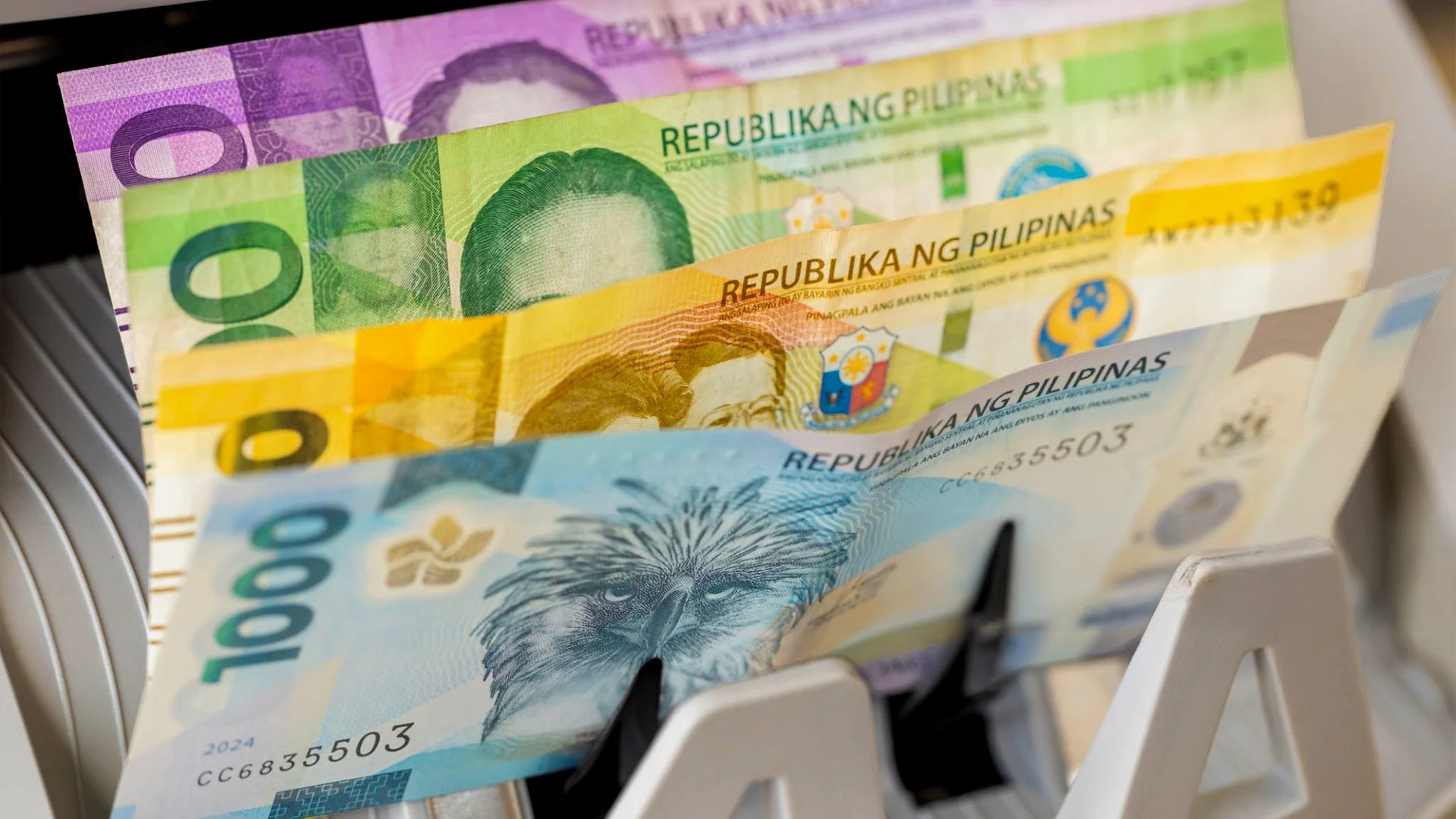
When people hear that the Philippine peso is getting weaker, the usual suspects that come to mind are oil prices, U.S. interest rates, or global market movements. While these factors play a role, one powerful force often overlooked is corruption. Every bribe taken, every fund misused, and every shady deal signed doesn’t just affect government offices—it weakens the peso in your pocket.
How Corruption Hurts Investor Confidence
The peso’s strength relies heavily on investor trust. When foreign investors see corruption scandals splashed across headlines, they hesitate to put money into the Philippines.
Think of it this way: Would you lend money to someone you know wastes cash or can’t account for it properly? Probably not. Investors think the same way. Corruption tells them the rules of the game aren’t fair. The result? They pull back, businesses slow down, and fewer dollars flow into the economy—causing the peso to drop.
Government Money Wasted, Peso Drained
Corruption also means billions meant for public projects—roads, schools, hospitals—get lost in politicians’ pockets. Instead of boosting productivity and creating jobs, that money vanishes.
Without those investments, the economy grows more slowly. When the economy underperforms, the peso loses strength because there’s less confidence that the Philippines can compete in the global market.
Import Prices Go Up, Peso Buys Less
When corruption drives the peso down, ordinary Filipinos feel it most at the grocery store. A weaker peso makes imported goods—like oil, rice, and machinery—more expensive. And when imports cost more, businesses pass those costs to consumers. That’s why your grocery cart seems to shrink every payday, even if you’re buying the same items.
In simple terms: corruption adds hidden taxes to your daily life.
Why OFWs and Families Should Care
Many Filipinos abroad work tirelessly to send money back home. But when corruption weakens the peso, the sacrifices of Overseas Filipino Workers (OFWs) lose value. Yes, remittances in dollars may look bigger, but the inflation that comes with peso weakness eats away at that advantage. Families may receive more pesos, but those pesos buy less.
The Vicious Cycle: Debt and Weak Currency
Here’s the dangerous loop:
Corruption wastes money.
Government borrows more to fill the gap.
More debt scares investors and lowers credit ratings.
Confidence in the peso drops, making it weaker.
A weaker peso raises import costs, worsening inflation.
The cycle keeps repeating, with ordinary Filipinos paying the highest price.

Breaking Free: Why This Matters to You
The peso’s strength is not just a government problem—it’s a people’s problem. Every weaker peso means higher prices, fewer opportunities, and more sacrifices for Filipino families.
But change starts with awareness. If citizens demand transparency, reject petty bribery, and hold leaders accountable, we weaken corruption’s grip—and strengthen the peso.
The peso doesn’t just weaken because of global markets—it weakens because corruption bleeds the economy dry. If we want stronger money in our pockets, we need stronger values in our leadership.
Join us at GME Academy’s Free Forex Workshop to learn how corruption, currency, and global events directly affect your finances. Equip yourself with the knowledge to protect your earnings, understand the peso’s movement, and make smarter financial decisions.
Because every Filipino deserves a stronger peso—and a stronger future.
