

Beyond the Scandals: Why Low Inflation Secures the Philippines' Investment Grade
In a candid assessment of the Philippines' economic standing, Senator Sherwin Gatchalian recently highlighted the country's stable inflation environment as the primary buffer against lingering governance challenges. His comments, delivered during a virtual press briefing, affirm the view that key macroeconomic indicators—especially price stability—are dictating the nation’s economic trajectory and maintaining its critical investment-grade standing among major credit rating agencies.
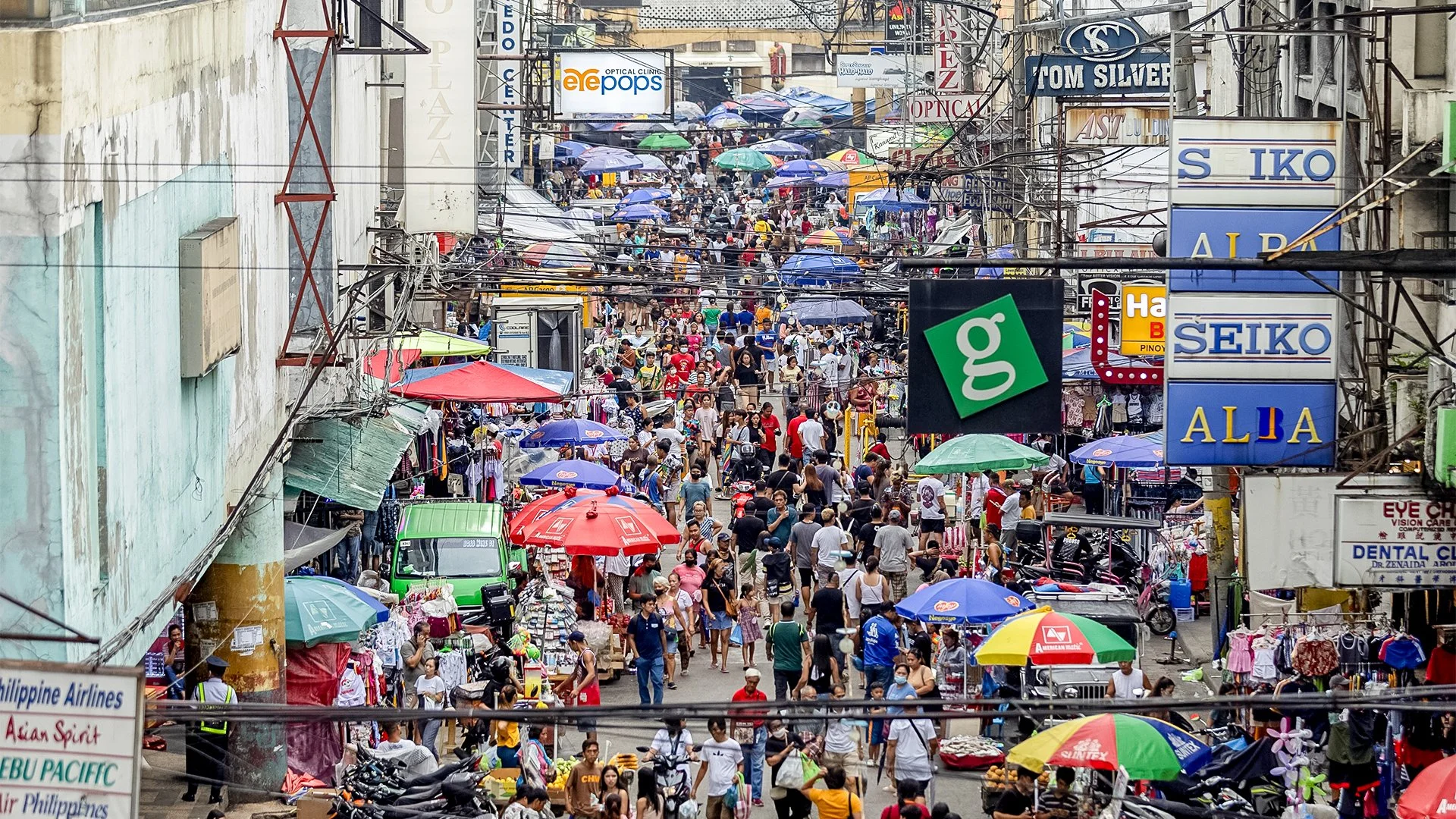
The Inflation Shield: A Forex Stabilizer
Senator Gatchalian pointed to the country's success in keeping inflation consistently low in recent quarters, hovering "around between 1.4 to maybe 1.7 percent" (well within the central bank's 2-4% target band). He specifically noted that the easing of prices for basic commodities, particularly rice and food, has been instrumental in this success.
Price stability is paramount in the global financial assessment of any economy:
For Credit Rating Agencies: Agencies like S&P (Standard & Poor's) view low and stable inflation as a sign of prudent monetary policy and strong macroeconomic management. It signals that the economy is growing sustainably, not overheating, which reduces the risk for sovereign debt repayment.
For Households: The senator stressed that maintaining low food prices directly addresses the "primary burdens felt by ordinary households," ensuring public sentiment remains stable and bolstering consumer confidence.
For Forex Trading: A stable, low inflation rate gives the central bank (BSP) flexibility. Unlike currencies facing high inflation (which often leads to aggressive rate hikes and exchange rate volatility), the Philippine Peso (PHP) is supported by a stable price environment. This stability is a key fundamental factor for investors trading the USD/PHP pair, making the PHP a more reliable emerging market currency.
Institutions Over Indiscretions: Why the Rating Holds
Despite the visibility of corruption issues—specifically referencing ongoing investigations into flood control projects—Gatchalian confirmed that the country's investment-grade rating remains intact. He cited the decision by S&P to retain the high rating, noting that this outcome is "very good despite all of this issue on corruption."
This affirms a principle often discussed within Global Markets Eruditio circles: Rating agencies look beyond temporary political turmoil. They focus on the strength of institutions and the long-term policy framework.
The agencies recognized that:
The system is functional: Investigations into the corruption are moving forward, indicating that government institutions (judicial and auditing bodies) are still performing their oversight duties effectively.
External Strength: The country’s robust external position, supported by strong remittances and foreign reserves, provides a deep fiscal cushion.
Growth Potential: The Philippine economy still boasts above-average growth potential compared to its regional peers.
In short, the underlying economic engine, supported by a credible central bank and fiscal policy, is strong enough to mitigate the effects of governance risks.


The Crucial Caveat: Infrastructure Spending
While generally optimistic about investor sentiment remaining positive in 2026, the senator issued a key caution: economic growth could slow if public infrastructure spending weakens.
Infrastructure spending is vital for two reasons:
Economic Stimulus: Public construction provides direct job creation and demand for materials, which contribute significantly to the Gross Domestic Product (GDP).
Long-Term Competitiveness: Maintaining construction momentum addresses the long-standing infrastructure gap, improving logistics, reducing business costs, and sustaining the country's long-term growth potential—a factor credit rating agencies consistently monitor.
A slowdown in spending, especially due to the temporary halt of projects during corruption investigations, presents the main near-term headwind to growth forecasts. Sustaining infrastructure momentum is therefore the key to converting the current positive outlook from S&P into a coveted rating upgrade.
Are You Equipped to Trade a Fundamentally Stable Economy?
Understanding how low inflation translates into investment-grade security is the foundation of smart Forex Trading for Beginners. The stability of the PHP is not an accident; it's a policy achievement reinforced by strong fundamentals.
Don't let market noise distract you from these core signals. Learn to distinguish between political controversy and economic reality. Join the GME Academy community today and sign up for our FREE Forex Workshop to master the fundamentals that drive long-term currency movements.
