

The "January Bounce": Why the PSEi is Climbing as the Peso Fights Back
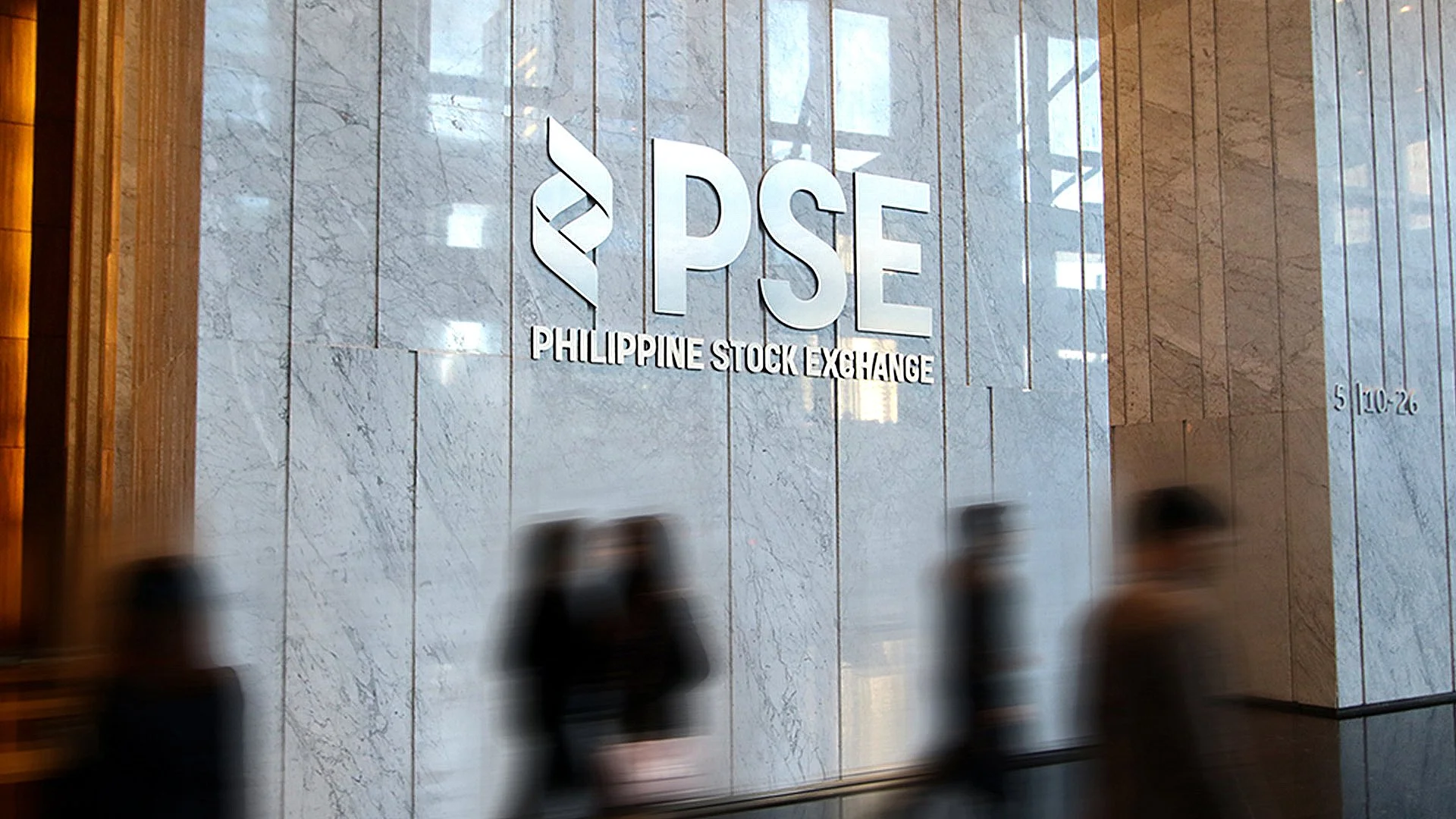
In the world of finance, momentum is a powerful force. Just as a trader at Global Markets Eruditio looks for a breakout in a "coiled" market, the Philippine Stock Exchange index (PSEi) has recently demonstrated its own explosive potential. On January 8, 2026, the local bourse rallied for its fourth consecutive day, reclaiming the 6,300 level—a milestone that has investors asking if a sustained bull run is finally here.
The catalyst? A notable recovery in the Philippine Peso. After hitting a record low of ₱59.35 against the US Dollar just a day prior, the local currency strengthened to ₱59.17, providing the much-needed "equilibrium" for equity investors to dive back into the market.
The Symbiosis of Currency and Capital
For those studying Forex trading for beginners, the relationship between a country's currency and its stock market is a fundamental lesson. When the Peso strengthens against the US Dollar, it often signals improving macro sentiment or a cooling of external pressures.
In this recent rally, the PSEi climbed 0.45% to finish at 6,320.67. This "One-Look" indicator of economic health was buoyed by several factors:
Bargain Hunting: Investors took advantage of lower prices following a brief dip, much like a savvy trader buying a "Kijun Bounce."
Inflation Optimism: December 2025 inflation data landed at a manageable 1.8%, well within the central bank's target range.
Rate Cut Expectations: The soft inflation figures have fueled hopes that the Bangko Sentral ng Pilipinas (BSP) will slash interest rates in February 2026, lowering the cost of borrowing for major listed companies.
Sectoral Performance: Services Lead the Charge
Not all sectors move in unison. While the main index rose, the "Services" sector was the clear standout, jumping 2.96%. This sector, often driven by telecommunications and BPO giants, remains a primary engine of the Philippine economy.
Conversely, some currency pairs and sectors felt the pinch of shifting sentiment. Financials and Industrials slipped slightly as market participants rebalanced their portfolios. This "mixed equilibrium" is a classic sign of a maturing rally, where investors move from broad-based buying to selective, value-driven picking.
Why the Peso's Recovery Matters to You
If you are trading currency pairs like USD/PHP or even major crosses like EUR/USD, the recent volatility in Manila serves as a perfect case study.
Macro Stability: A strengthening local currency reduces the cost of imported goods, helping keep inflation at bay.
Foreign Inflow: When the Peso stabilizes, foreign investors are more likely to inject capital into local equities, further driving up the PSEi.
Investor Confidence: Much like the strategies taught at GME Academy, market confidence is built on transparency and predictable monetary policy.

Navigating the 2026 Market Landscape
As we move further into 2026, the Philippine market is proving that it can withstand external shocks, from geopolitical shifts in South America to fluctuating oil prices. For the beginner trader, the lesson is clear: Watch the currency, and the stocks will follow.
The current "59-level" resistance for the Peso against the US Dollar is the key area to monitor. A sustained move below 59 could trigger a massive influx of liquidity into the PSEi, potentially pushing the index toward the 6,500 mark.
Bridge the Gap Between News and Profit
Reading the news is only half the battle. Knowing how to turn that information into a winning trade is where true mastery begins. Whether you're interested in the Canadian Dollar, the US Dollar, or the local PSEi, you need a proven system to manage risk and identify high-probability entries.
Don't just watch the markets—master them. Join our FREE Forex workshop today and learn how to align your trading strategy with global economic trends!
