

Ambition vs. Reality: Why Tsinoy Business Leaders Are Calling for an 8% Economic Surge
The Philippine economic landscape is currently at a crossroads, where government pragmatism is meeting the high-octane expectations of the private sector. Earlier this month, the interagency Development Budget Coordination Committee (DBCC) sent a wave of concern through the business community by scaling back the nation's growth targets through 2028.
While the government describes these revisions as a "reality check," the Federation of Filipino Chinese Chambers of Commerce and Industry, Inc. (FFCCCII)—a cornerstone of the "Tsinoy" business community—has labeled the move a "sobering wake-up call." According to FFCCCII President Victor Lim, the Philippines should not lower its sights. Instead, he argues that an 8% GDP growth remains the "minimum viable" target to ensure transformative and inclusive progress for the decade.
The Reality of the "Recalibration"
The DBCC’s decision to lower targets wasn't made in a vacuum. It was a response to a series of domestic and global "headwinds" that have slowed the country's momentum. Economic Planning Secretary Arsenio Balisacan noted that the revisions reflect the current global economic climate and a significant third-quarter slump in 2025, which saw GDP growth dip to a four-year low of 4.0%.
The primary culprit for this slowdown? A massive contraction in government infrastructure spending. This was triggered by a widening corruption probe into flood control projects, which effectively "sunk" the growth of the construction sector. For Forex trading for beginners, this is a prime example of how internal political instability and fiscal drag can lead to a "risk-off" sentiment, often weakening the local currency against major pairs like the US Dollar (USD).
The Tsinoy Perspective: Growth as a Moral Imperative
For the FFCCCII, the government’s 5% to 6% growth target for 2026 is simply not enough to lift the "rising tide" for all Filipinos. Victor Lim pointed to regional competitors like Vietnam, which achieved 8% growth in 2025 and is now aiming for 10%.
The chamber's argument is rooted in the belief that global capital flows to dynamic and "relentlessly forward-moving" destinations. By lowering expectations, the Philippines risks becoming less attractive compared to its ASEAN neighbors. In the Forex market, growth differentials are key. If traders perceive the Philippines as losing its "emerging market" edge, they may favor the USD or CAD over the Peso, anticipating better returns in more aggressive economies.
The Infrastructure Dilemma and the Peso’s Path
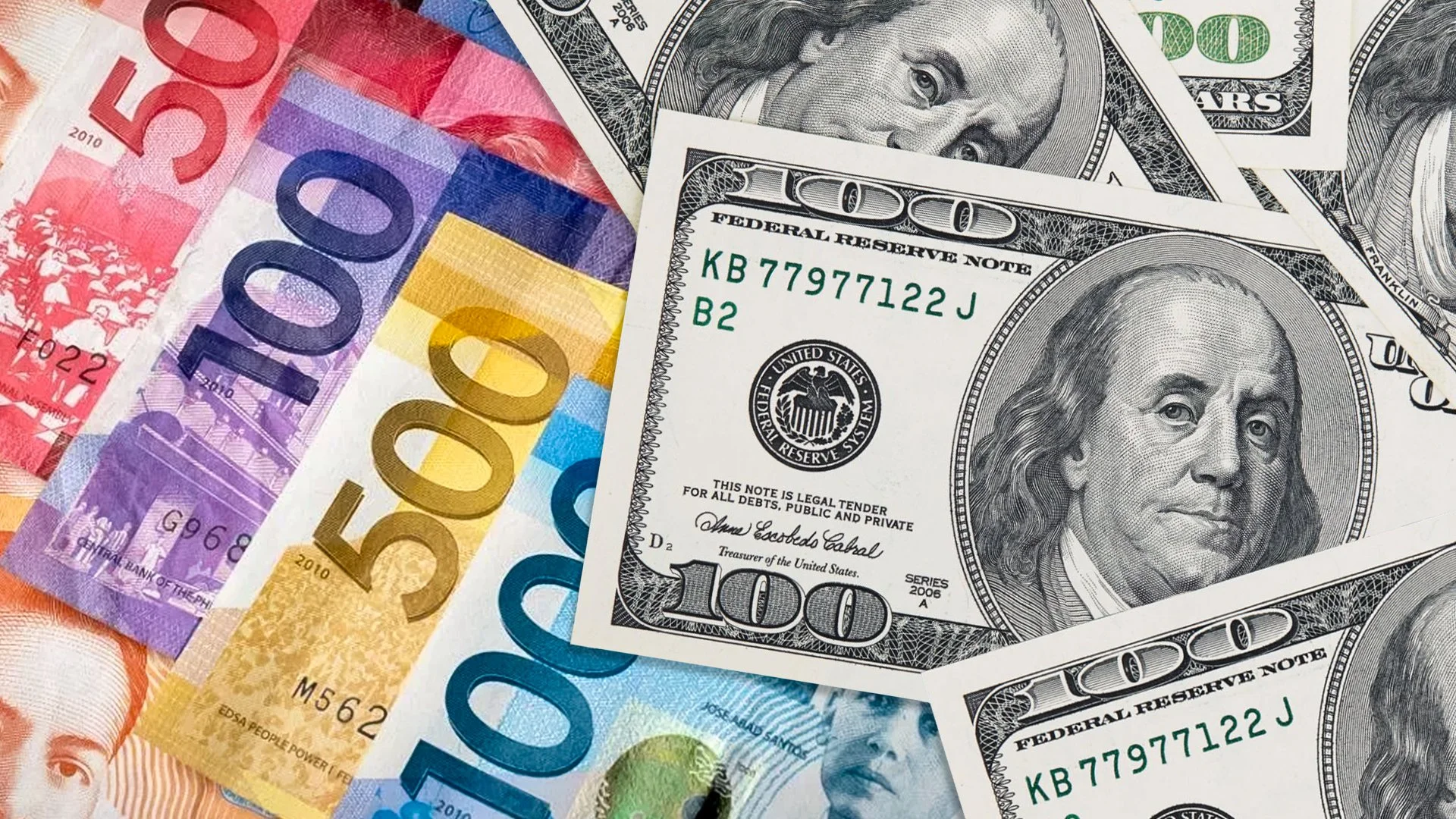
The ongoing corruption probe has created a "fiscal tighten" effect. With billions of pesos in flood control funds stalled, the construction sector—a major driver of the Philippine economy—has nosedived. This domestic stagnation, coupled with the US Dollar's continued strength due to the Fed's "higher-for-longer" interest rate stance, has kept the USD/PHP exchange rate near record highs of 59.46.
Traders at GME Academy often watch these domestic developments closely. When a government slows its spending, it reduces the "velocity" of money in the economy. For those looking at currency pairs like GBP/PHP or EUR/PHP, this slowdown suggests that the Peso may remain vulnerable to further slides unless the government can successfully pivot toward "high-impact" investments in education, health, and agriculture.

Navigating the "Sobering" Market
At Global Markets Eruditio, we believe that transparency and accountability are the best "stimulus packages" a government can provide. While the scaled-down goals are indeed a wake-up call, they also represent an opportunity for the Marcos administration to clean house and reallocate funds into productive sectors.
As a trader, your job is to interpret these "sobering" numbers and turn them into a strategy. Whether you are bullish on a rebound in 2026 or cautious about the current corruption "drag," understanding the intersection of policy and price action is vital.
Take Control of Your Trading Future
The Philippine economy is going through a period of intense recalibration. Are you prepared for the volatility that follows? Whether you are watching the US Dollar break records or the Peso fight for stability, you need a professional edge to stay ahead.
Don't let market "wake-up calls" catch you off guard.
Join our FREE Forex Workshop Today!
At GME Academy, we teach you how to read between the lines of economic reports and develop a probabilistic mindset that thrives in any economic climate.
