

The Persistent Hawk: BoE's Mann Sees Lower Inflation Ahead but Cautions on Firms' Price Reluctance
Bank of England (BoE) Monetary Policy Committee (MPC) member Catherine Mann, a noted hawk, has reaffirmed her core view of "inflation persistence" in the UK economy. While acknowledging that budget changes will lead to a lower inflation rate looking forward, Mann cautioned that UK firms remain "reluctant to reduce prices even when demand is weak," adding complexity to the BoE's rate cut timing and injecting near-term volatility into the GBP/USD currency pair.
Catherine Mann's recent commentary provides a crucial insight into the current policy debate at the Bank of England. As one of the more consistently hawkish voices on the MPC, her emphasis on persistence is a direct argument against a hasty pivot towards rate cuts, despite recent drops in headline inflation. Her analysis underscores the structural hurdles the BoE faces in getting inflation sustainably back to the 2% target.
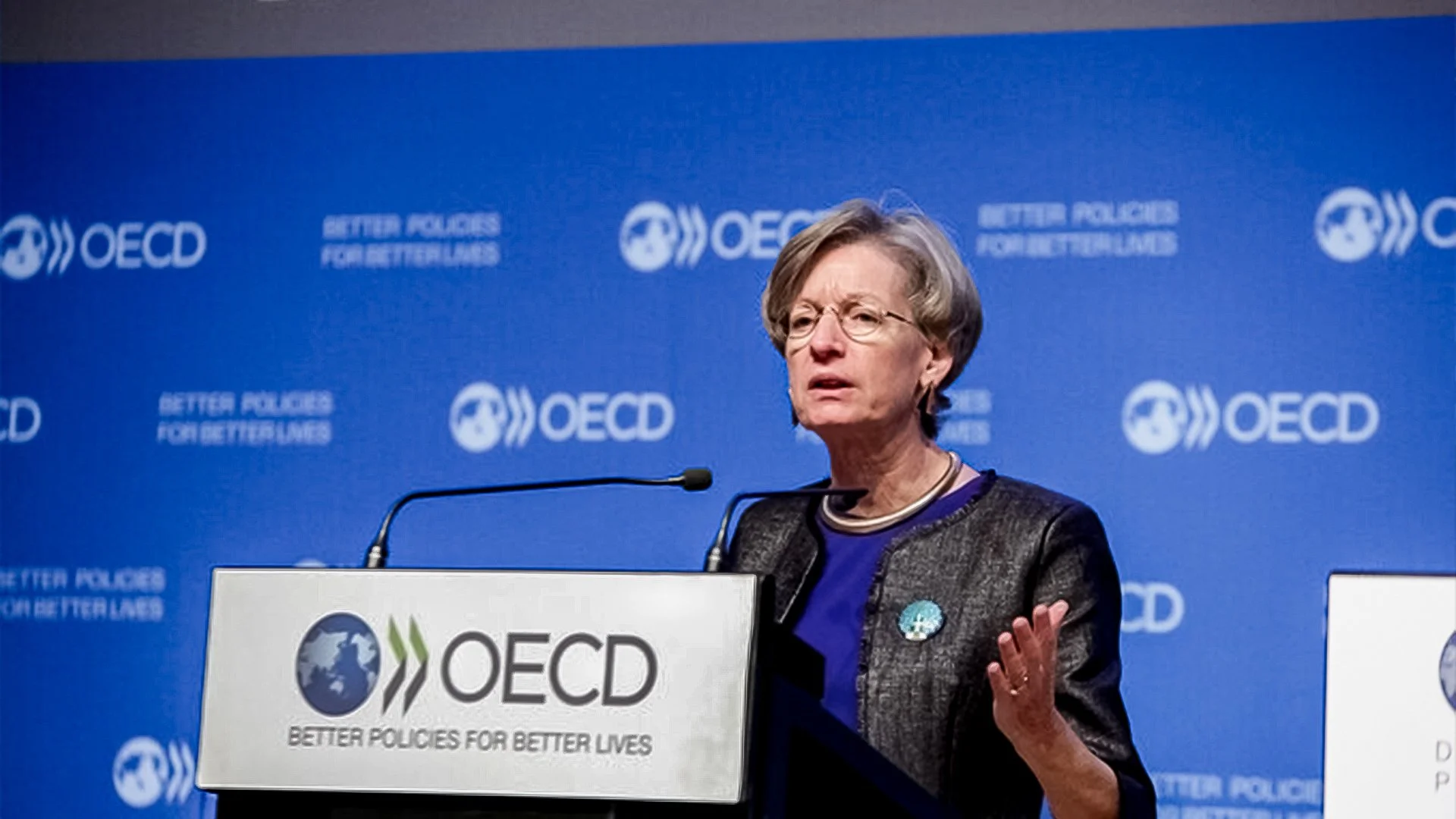
The Persistence Problem: Firms’ Reluctance and Price Stickiness
Mann's central view has consistently been that inflation would remain stickier than anticipated by the consensus. She points to a key friction in the UK economy that keeps inflation elevated:
Price-Setting Behavior: Mann notes a critical issue: UK firms are reluctant to reduce prices even when demand is weak. This behavior—known as "price stickiness"—suggests that businesses, having raised prices significantly during the inflation surge, are now opting to accept lower profit margins or simply reduce output rather than cut prices to stimulate sales.
The "Pass-Through" Halt: This reluctance creates a structural barrier to disinflation. Even as energy costs fall and supply chains ease, the final consumer prices remain elevated, prolonging the inflation fight. This dynamic requires the BoE to maintain a restrictive policy for longer to break this pricing mindset.
The Labor Market Twist: Public Sector Resilience
Mann offered a nuanced view of the UK labor market, which has been a major source of wage inflation and concern for the MPC. She suggests the overall labor situation might not be as dire as other indicators show:
Survey Discrepancy: Mann believes the overall labour market situation is not as dire as BoE surveys show, due to public sector employment.
Mitigating Factor: The continued strength or hiring in the public sector acts as a stabilizer, preventing a sharp rise in the unemployment rate and softening the downturn that restrictive policy is designed to induce. This implies that while private sector demand may be slowing, the government sector continues to absorb labor, keeping wage pressure elevated in certain segments.


Monetary Policy Path: Neutral Rate and Budget Impact
Looking forward, Mann acknowledged factors that will help pull inflation lower while confirming her view on the appropriate long-term stance of policy.
Budget Changes and Future Inflation
Mann stated that "budget changes will lead to a lower inflation rate." This refers to the impact of government fiscal policy—such as tax adjustments or spending cuts—which will have a deflationary effect on the economy in the coming year. This view aligns the short-term forecast for disinflation with external policy support.
The Neutral Rate Anchor
Finally, Mann confirmed her view on the long-term anchor for UK interest rates: The assumed neutral rate of 3.25%-3.5% is about right.
The neutral rate (r*) is the theoretical rate that keeps the economy balanced, neither stimulating nor restricting growth. By placing the neutral rate above 3.0%, Mann is signaling that the BoE's current policy rate still remains restrictive, giving the MPC justification to maintain the current rate or even hike if necessary, before considering cuts.
Forex Trading Implications for the GBP/USD
Mann's commentary provides a clear hawkish tilt that is fundamentally supportive of the British Pound (GBP).
Rate Cut Delay: Her focus on price persistence and firms' reluctance to cut prices argues forcefully against an early rate cut. This forces Forex Traders to push back their expectations for the start of the BoE's easing cycle, making GBP-denominated assets more attractive in the near term.
GBP/USD Support: This hawkish tone creates positive fundamental support for the GBP against a basket of currencies, particularly against the US Dollar (USD) in the GBP/USD currency pair. Traders betting on a sharp UK economic downturn and quick BoE pivot will be forced to cover their short positions.
For Forex Trading for Beginners, Mann's comments are a textbook example of how a central bank member's specialized economic view—in this case, price stickiness—can override headline data and dramatically influence currency market sentiment. Her commitment to maintaining a restrictive stance until the structural problems are solved keeps the GBP buoyant.
Are You Underestimating the Persistence of UK Inflation?
The GBP’s strength hinges on the BoE's willingness to keep rates high to tackle firms' reluctance to cut prices.
Master the analysis of central bank hawk vs. dove debates.
Join the GME Academy community today and sign up for our FREE Forex Workshop to learn how to translate complex MPC member views into high-probability Forex Trading strategies, securing a comprehensive understanding of the forces that move the market.
