

The Looming Pivot: Can Kevin Hassett Steer the Fed to Lower Rates?
The question of who will lead the Federal Reserve, the world's most influential central bank, is arguably the most significant piece of financial news for the global economy. As current Chair Jerome Powell's term concludes in May 2026, the front-runner to replace him is Dr. Kevin Hassett, a veteran economist, former White House advisor, and vocal proponent of aggressively lower interest rates.
Hassett’s potential nomination is not merely a change in personnel; it represents a fundamental re-evaluation of the Fed's recent inflation-fighting policies and carries profound implications for the US Dollar (USD), risk assets, and interest rate stability across the globe.
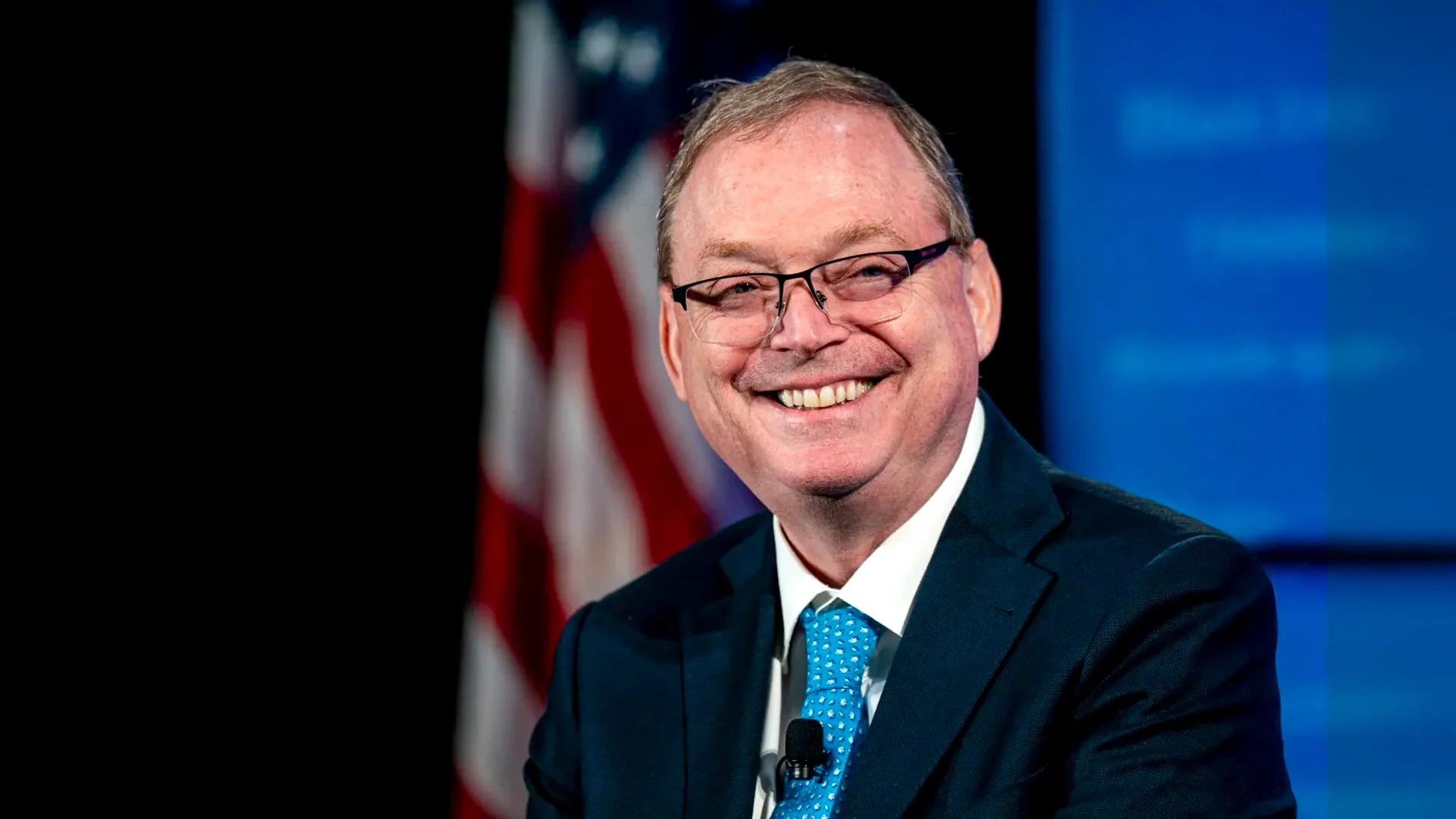
The Economist and Political Insider: Hassett’s Background
Kevin Hassett brings a deep, albeit politically charged, background to the discussion.
White House Pedigree: Hassett served as the 29th Chairman of the Council of Economic Advisers (CEA) from 2017 to 2019 and currently serves as the Director of the National Economic Council. This proximity to the executive branch means he has shaped discussions on taxation, trade, and economic strategy at the highest levels.
Academic and Fed Experience: Crucially, he is not merely a political operative. Hassett holds a Ph.D. in economics from the University of Pennsylvania, served as a senior economist at the Board of Governors of the Federal Reserve System in the 1990s, and held academic positions at Columbia Business School.
The Dovish Stance: Hassett has openly criticized the current Fed's pace, arguing they have been too slow to reduce interest rates. His public statements indicate a strong belief that inflation is already cooling significantly (some projections being near 1% next year), justifying immediate and aggressive rate cuts.
This combination of deep technical understanding and clear political alignment makes Hassett the most consequential front-runner, as his views align precisely with the administration’s stated desire for more accommodative monetary policy.
Policy Pivot: What a Hassett-Led Fed Would Mean
The key consequence of a Hassett appointment would be a decisive pivot toward a more dovish monetary regime. This potential shift away from the inflation-first focus of the Powell era would immediately impact market expectations:
1. Accelerated Rate Cuts
Hassett's vocal support for reducing borrowing costs suggests he would likely push the Federal Open Market Committee (FOMC)—the Fed’s policy-making body—to adopt an accelerated rate-cutting schedule. This move aims to stimulate economic activity and reduce the cost of debt but carries the risk of potentially reigniting inflation if economic data proves stronger than his projections.
2. Pressure on the US Dollar (USD)
The impact on currency markets would be immediate and profound. Generally, when a central bank signals a looser monetary policy (i.e., lower rates), it reduces the appeal of that nation's assets relative to others, putting downward pressure on its currency.
A Hassett-led Fed would likely reinforce the bearish outlook for the USD. Forex traders would immediately price in the likelihood of a wider interest rate differential developing between the USD and currencies whose central banks (like the ECB or the Bank of England) maintain a relatively more hawkish stance. This dynamic suggests pairs like EUR/USD or GBP/JPY could see significant directional momentum, moving higher in favor of the non-USD currency. For analysts at Global Markets Eruditio (GME Academy), a Hassett nomination is a top-tier fundamental factor signaling major shifts.
3. Increased Political Risk Premium
Perhaps the greatest consequence is the heightened concern over the independence of the Federal Reserve. The Fed's institutional integrity—its ability to act without political influence—is vital to maintaining global confidence in the USD as the world’s reserve currency.
Critics argue that Hassett's close political ties and vocal advocacy for specific, administration-favored policies could create a political risk premium in the market. This perception of politicization, dubbed the "Hassett effect" by some analysts, could act as an additional headwind for the USD, regardless of the underlying economic data. This is a crucial concept that Forex Trading for Beginners must grasp: currency strength relies on trust in the governing institution.

The Crypto Connection: A Regulatory Hurdle
An unusual complication arises from Hassett’s strong ties to the cryptocurrency industry. He has been involved in digital asset policy discussions and disclosed a significant stake in the crypto exchange, Coinbase.
As the Federal Reserve's regulatory role over stablecoins and other digital assets continues to expand, this financial relationship introduces a unique set of potential conflicts of interest. The market will closely monitor how a Hassett-led Fed would navigate the rapidly evolving regulatory landscape for digital assets while maintaining transparency and regulatory integrity.
The eventual confirmation of the next Fed Chair will be the single most influential event shaping U.S. monetary policy and global capital flows for the next four years.
Are You Positioned for the Next Major USD Shift?
The potential change in leadership at the Federal Reserve is the definition of a fundamental market driver, capable of reversing multi-year trends across major Forex currency pairs.
Don't let this massive shift in monetary policy catch you off guard. Learn how to translate political nominations and monetary policy pivots into profitable Forex Trading decisions.
Join the GME Academy community today and sign up for our FREE Forex Workshop to master the fundamental analysis that drives the USD.
