

Moscow’s Tentative Nod: Putin Breaks Silence on Ukraine Peace Framework
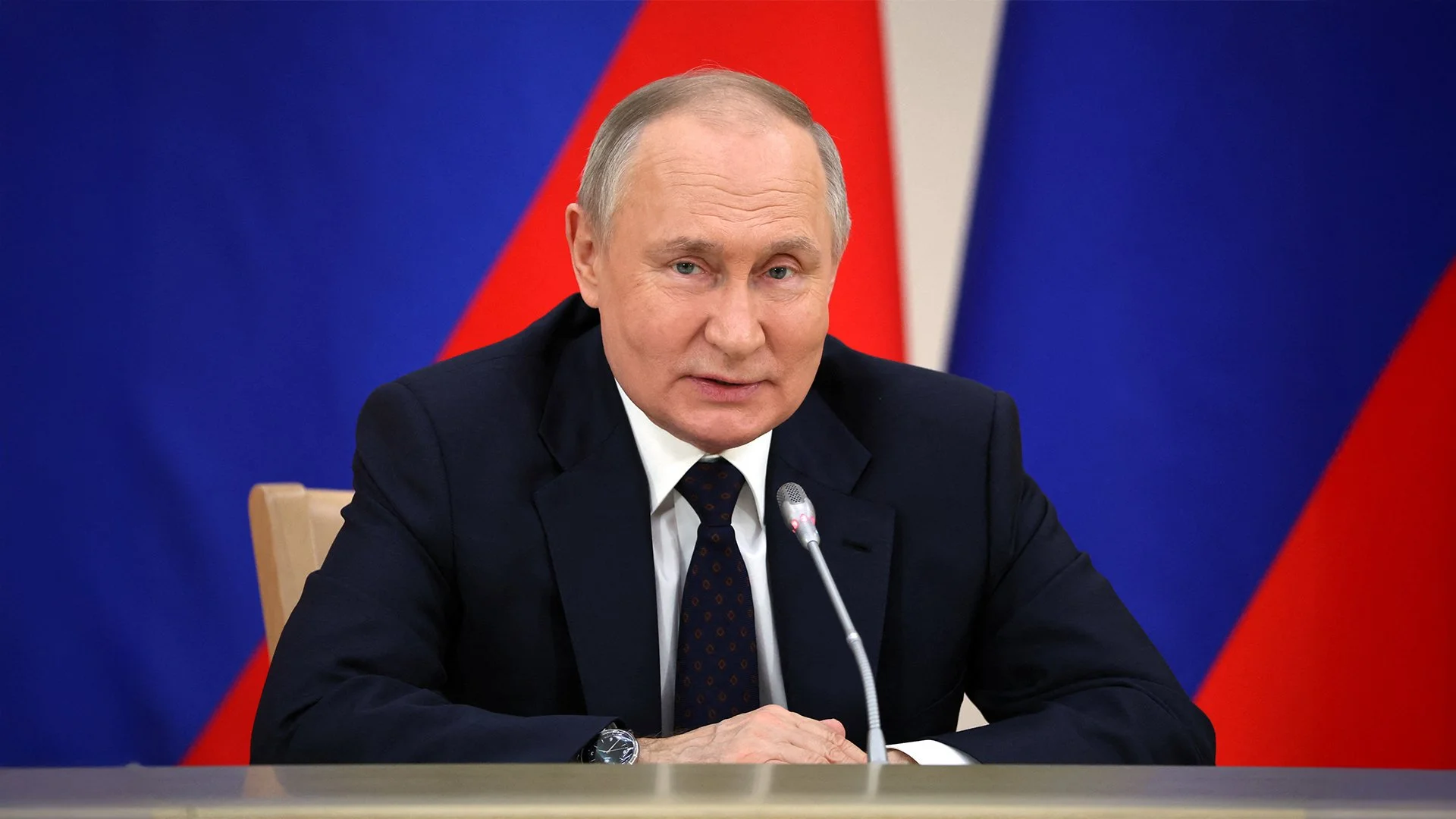
Russian President Vladimir Putin has finally addressed the diplomatic flurry surrounding the U.S.-backed peace plan to end the conflict in Ukraine, stating that the outlines of the draft proposal "can be the basis for future agreements."
The comment, made by Putin during a trip to Kyrgyzstan, marks the first public acknowledgment from the Kremlin’s top official regarding the framework—which has been significantly revised since an initial controversial version—and paves the way for a crucial high-level engagement: U.S. Special Envoy Steve Witkoff is due to travel to Moscow next week for direct talks.
While the initial response is cautiously optimistic, the path to a cease-fire remains riddled with fundamental disagreements, sending mixed signals across global commodity and Forex trading markets.
The Shift in the Peace Framework
The peace discussions gained momentum following the revelation last week of a 28-point draft plan, reportedly co-authored by U.S. envoy Steve Witkoff and a Russian official. That initial draft was widely criticized by Ukraine and its European allies for heavily favoring Moscow’s demands, including requiring Ukraine to cede significant territory and cap the size of its military.
In response, Ukraine and a U.S. delegation led by U.S. Secretary of State Marco Rubio held rapid, intense negotiations in Geneva to amend the proposal. The new framework, reportedly slimmed down to 19 key proposals, has received tentative backing from Kyiv, putting the onus on Moscow to respond to the adjusted terms.
Moscow's View: Putin's comment, "In general, we agree that this can be the basis," suggests the revised framework now contains sufficient elements to warrant continued negotiation. He also noted that the U.S. appeared to be taking Russia's position into account.
Cautious Optimism: Despite Putin's encouraging words, officials were quick to dampen expectations. Putin’s Press Secretary Dmitry Peskov warned against "jumping to conclusions," stating, "It’s too early to say that" this is the closest the parties have been to a conclusion.
The Hardline Sticking Point: Territory and Withdrawal
Despite the diplomatic progress on the framework, President Putin reiterated a key, non-negotiable demand that severely contradicts the notion of an immediate peace deal: that fighting will only stop when Ukrainian troops withdraw from their current positions in key areas.
Putin suggested that if Ukrainian forces do not retreat, Russian forces would achieve their objectives by force. This indicates Moscow's continued refusal to relinquish one of its core objectives, which is full control over the Donbas region (Donetsk and Luhansk) and other occupied territories.
Ukraine's Position: Ukraine President Volodymyr Zelenskyy has consistently maintained that Kyiv will not surrender any sovereign territory or recognize Russian control over occupied regions.
The Paradox: The central difficulty remains the territorial issue. The peace plan is designed to negotiate an end to the conflict, while Putin’s stated position is that negotiation is only necessary if Ukraine accepts Russia’s territorial gains—a move Ukraine has rejected as capitulation. Deputy Foreign Minister Sergei Ryabkov echoed this, stating, "there are no concessions on key issues on the Ukraine settlement."

Global Markets and the Geopolitical Risk Premium
Headlines regarding a potential peace deal immediately impact financial markets, particularly those sensitive to geopolitical risk:
Energy Market Volatility: News of peace talks typically causes a decrease in the price of crude oil and natural gas, as it increases the likelihood of sanctions being eased and Russian supply stabilizing the global energy market. The Brent Crude benchmark is highly sensitive to these rumors.
Currency Reaction (USD/RUB/EUR): A viable peace deal would strengthen the Russian Ruble (RUB) and reduce risk aversion in the Euro (EUR), likely causing the EUR/USD pair to stabilize or trend upward as the geopolitical risk premium dissipates from Europe. However, the current ambiguity ensures that volatility remains high, with the US Dollar (USD) still attracting safe-haven flows due to persistent uncertainty.
For Forex traders, geopolitical events of this magnitude act as fundamental drivers. The ability to distinguish between genuine negotiation progress and strategic posturing is vital. Forex Trading for Beginners must include learning how to track these major global events and understanding their ripple effects on currency valuation. This type of high-stakes diplomatic maneuvering requires the analytical depth emphasized by Global Markets Eruditio (GME Academy), where risk assessment is paramount.
Are You Positioned for the Market Swings Driven by Geopolitical Headlines?
The next few weeks, defined by Steve Witkoff’s visit to Moscow, could determine the direction of the conflict and inject severe volatility into the USD/RUB and EUR/USD pairs. Don't be left guessing.
Learn how to trade the news and interpret diplomatic signals to forecast market moves.
Join the GME Academy community today and sign up for our FREE Forex Workshop to master the geopolitical analysis required to trade global conflicts safely and effectively.
