

Japan’s Takaichi Faces Diplomatic Tightrope: Can She Calm China Without Losing Face?
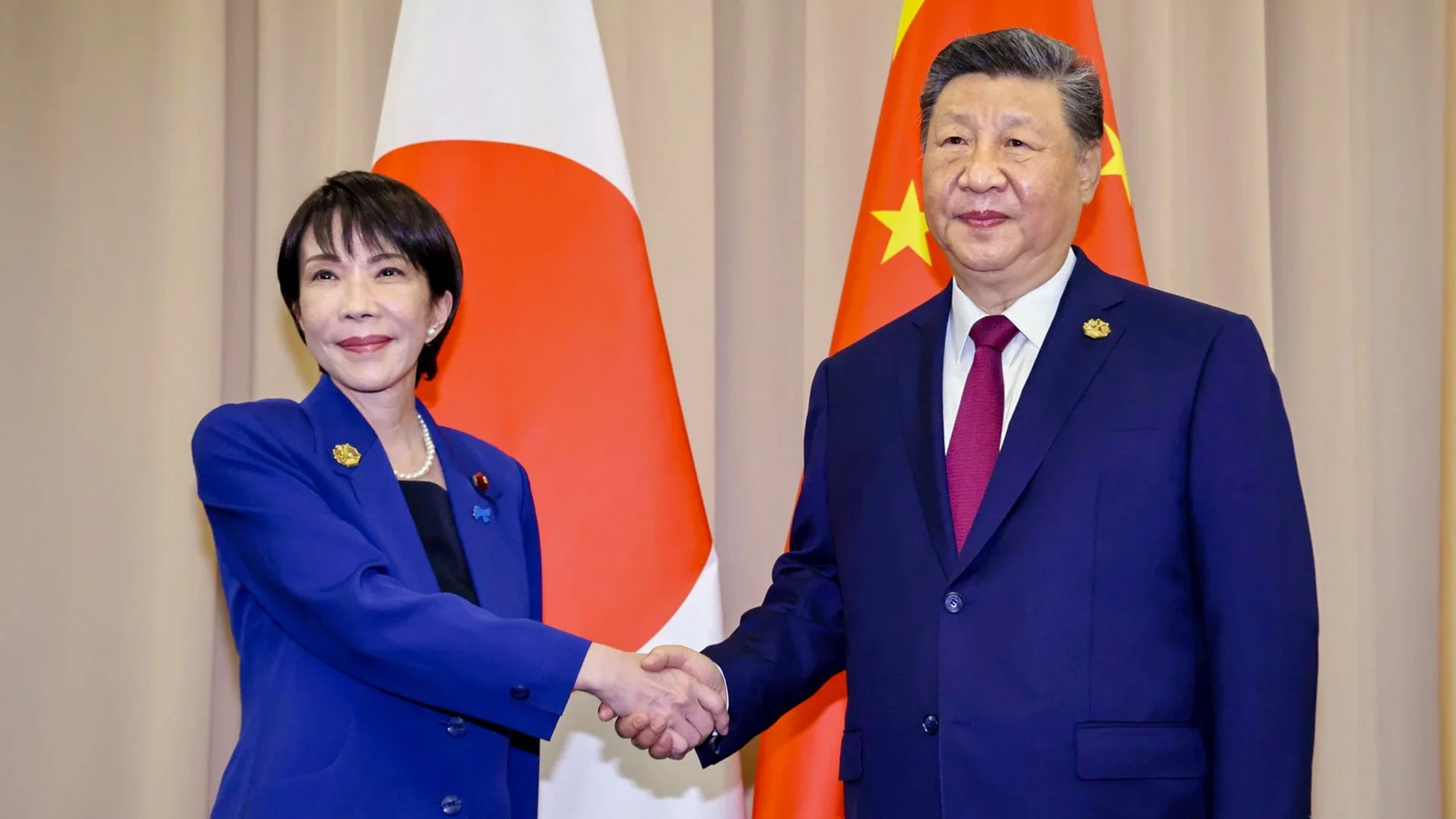
Japanese Prime Minister Sanae Takaichi is facing a high-stakes diplomatic challenge barely a month into her tenure. Her recent remarks linking a potential Taiwan Strait crisis to the deployment of Japanese troops have triggered a sharp backlash from China, exposing the new administration to immediate geopolitical tension.
Beijing has made clear that Japan must retract Takaichi’s statements, which China views as a violation of its “red line” regarding Taiwan. Mao Ning, spokeswoman for China’s Foreign Ministry, reiterated that Tokyo must “stop crossing the line and playing with fire, retract the wrongful remarks and deeds, and honor its commitments to China with real action.”
So far, Takaichi has refused to recant, a move consistent with her nationalist platform and high approval ratings, which reportedly exceed 80%. Analysts note that yielding to Beijing could create political blowback at home, undermining her credibility as a leader who champions Japan’s strategic interests.
The Stakes: Economic and Diplomatic Pressure
The standoff with China is not just symbolic. As Japan’s largest trading partner, China holds significant economic leverage. Beijing could escalate by imposing sanctions, restricting diplomatic and military communication, or limiting access to critical commodities such as rare earths—vital for Japan’s tech and automotive industries.
Kunihiko Miyake, a former Japanese diplomat in China, explains that while Takaichi may have misjudged the timing, pressuring her is unlikely to succeed. “If China is trying to weaken Takaichi, it could fuel her popularity instead,” Miyake said. Historically, Japan-China disputes over sensitive issues often settle after extended diplomatic pauses rather than immediate concessions.
China’s calculated response, according to Rumi Aoyama, professor of Japan-China relations at Waseda University, aims to protect Beijing’s economic interests without severing ties. “China wants to exert economic pressure, but not to destroy the relationship,” she said.
Balancing Nationalism and Realpolitik
Takaichi’s approach marks a departure from the cautious stance adopted by her predecessors, including Shinzo Abe, who maintained strategic ambiguity regarding Taiwan. By directly linking Japanese military involvement to a potential Taiwan crisis, Takaichi has signaled a firmer posture, prompting scrutiny from both domestic and international observers.
Beijing’s response, while stern, has so far avoided mass public confrontation. Unlike the 2012 dispute over the Senkaku/Diaoyu islands, which led to months-long anti-Japanese boycotts, Chinese authorities appear wary of provoking public unrest amid a slowing economy. Still, the risk of economic disruption remains. Japan’s reliance on Chinese rare earths and semiconductors, particularly for automotive and tech production, gives Beijing a subtle but potent leverage point.
Economic Implications for Japan
Analysts warn that the longer the diplomatic freeze continues, the more it could weigh on Japan’s economy. Japan’s exporters, particularly carmakers, have diversified their supply chains since previous disputes, but rare earth dependency remains. A targeted embargo could disrupt production of electrified vehicles and other high-tech goods, although contingency planning and stockpiling may mitigate short-term shocks.
Atsushi Takeda, chief economist at Itochu Research Institute, notes that while tensions are significant, escalation to 2012-level economic disruption is unlikely. “China is unlikely to provoke a deep spat with Japan while also managing its own strategic challenges with the US,” Takeda said.


Looking Ahead: Diplomacy Under Pressure
Tokyo has already dispatched a senior diplomat to Beijing in an attempt to ease tensions, but China has remained cautious, with no high-level meetings scheduled during upcoming summits. The situation underscores the delicate balance Takaichi must maintain: assert Japan’s position on Taiwan while preventing a major economic backlash from its largest trading partner.
For Japan, the broader lesson is clear: assertive diplomacy carries immediate risks and requires careful economic and strategic preparation. For international observers, the episode offers a reminder that even short-term statements by leaders can ripple across trade, investment, and regional security.
As Takaichi navigates these turbulent waters, the question remains whether she can project strength at home while maintaining stability abroad—a challenge that will define her leadership in the months to come.
For readers tracking global events like Japan-China tensions, understanding how geopolitics affects currency markets is essential. These developments can influence USD/JPY, CNY/JPY, and other major forex pairs, shaping trading opportunities for investors worldwide.
If you want to learn how to interpret international news like this and turn it into actionable forex strategies,
join our FREE Forex workshop at GME Academy. Master the skills to analyze economic and political events, predict market impacts, and trade confidently. Don’t just follow the news — use it to trade smarter.
