

BoJ Governor Ueda Talks Economy, FX, and Gradual Policy Adjustments with PM Takaichi
The Bank of Japan (BoJ) is signaling careful adjustments as it navigates the nation’s economic recovery. BoJ Governor Kazuo Ueda recently met with Japanese Prime Minister Sanae Takaichi to discuss both domestic and international economic developments, highlighting a nuanced approach toward monetary policy and currency management.
A Data-Driven Approach to Monetary Policy
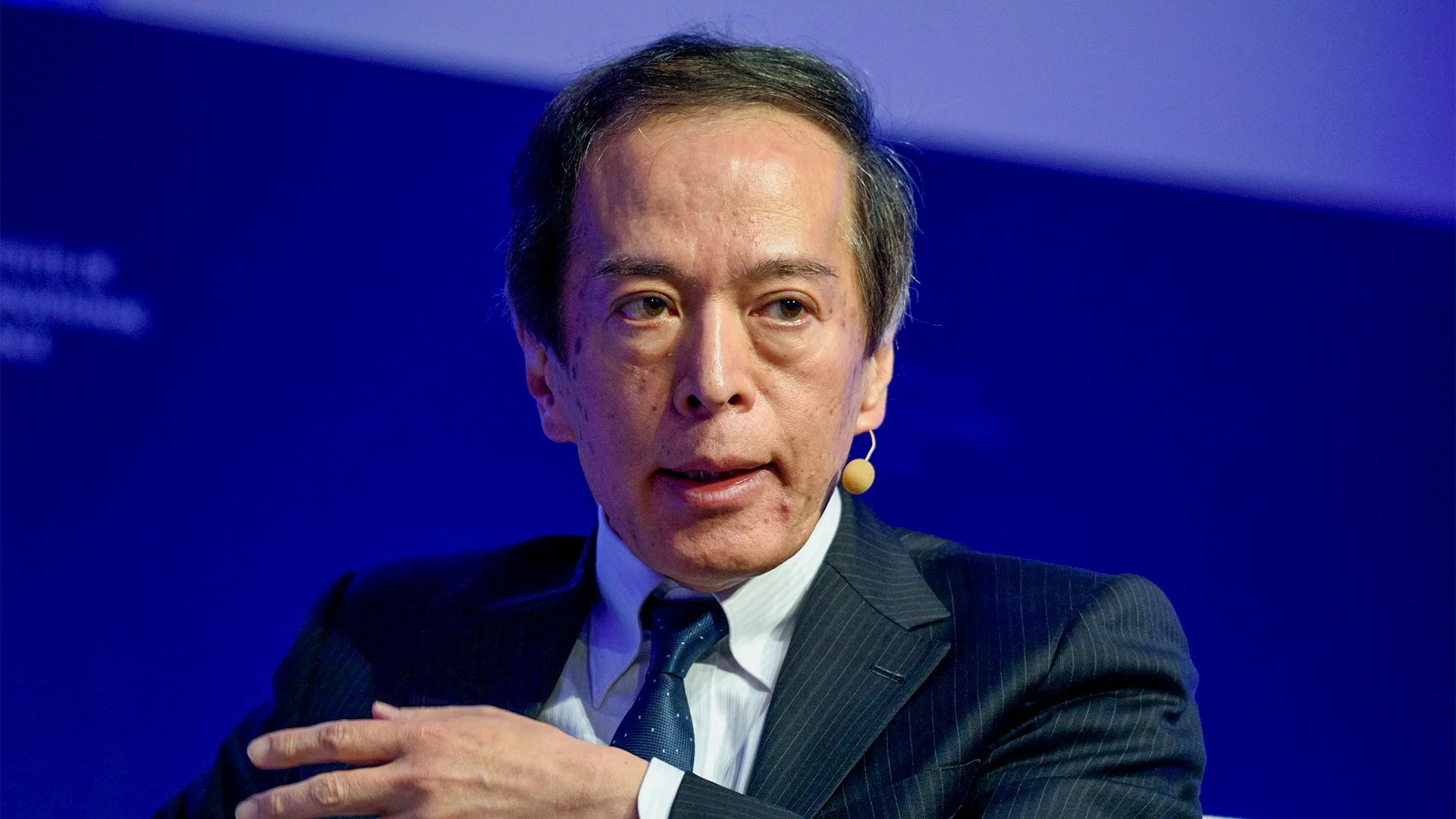
Governor Ueda emphasized that all future decisions regarding monetary policy will be based on careful scrutiny of economic data. “I will decide monetary policy while scrutinising various data,” he noted, reinforcing the BoJ’s commitment to a methodical, evidence-based strategy. Analysts see this as an important signal for both local markets and global investors, reflecting Japan’s cautious stance amid global economic uncertainties and inflationary pressures.
Ueda indicated that the BoJ is continuing its gradual adjustment of monetary easing, aiming to balance economic growth and price stability. This approach involves incrementally moving away from ultra-loose policies without triggering abrupt market reactions, a strategy that is especially significant as Japan works to sustain its post-pandemic recovery.
Economic Dialogue with PM Takaichi
During the meeting, Governor Ueda and Prime Minister Takaichi discussed a broad range of economic issues at home and abroad. While the BoJ chief did not provide details on the foreign exchange (FX) discussions, he acknowledged that the currency market is a key consideration in Japan’s economic planning.
The Governor also noted that the mechanism of rising prices and wages is recovering, a positive sign for domestic demand. This indicates that households and businesses are gradually feeling the effects of economic growth, which could influence future interest rate decisions and BoJ policies.
Implications for Forex and International Markets
The BoJ’s cautious stance on policy adjustment and FX discussions can have notable implications for global currency markets. Forex traders often watch Japanese monetary policy closely, as shifts in interest rate expectations can affect the Japanese Yen (JPY) against major currencies such as the US Dollar (USD), Euro (EUR), and British Pound (GBP).
A gradual reduction in easing could support JPY strength over time, especially if Japan’s inflation trends continue upward and economic recovery remains stable. Conversely, maintaining accommodative measures may keep the Yen relatively weaker, supporting export-driven growth but affecting currency pair volatility.


Why This Matters for Forex Traders
Understanding BoJ policy moves is essential for Forex traders, especially those trading USD/JPY, EUR/JPY, and other Yen-based pairs. Governor Ueda’s remarks suggest that the BoJ will remain data-driven and cautious, meaning that traders should anticipate measured changes rather than abrupt shifts.
For beginners, this is an opportunity to learn how central bank communications, economic indicators, and international dialogue shape currency movements. Institutions like Global Markets Eruditio emphasize tracking these developments to make informed Forex trading decisions.
Looking Ahead: Monitoring BoJ Signals
Investors and traders should watch for upcoming BoJ meetings, official statements, and economic data releases. Key indicators include:
Wage growth and price inflation in Japan
Export and import trends impacting FX flows
Global economic developments influencing domestic policy
Governor Ueda’s commitment to a data-driven, gradual adjustment strategy suggests a period of careful monitoring rather than aggressive intervention.
Stay Ahead in Forex Trading
Japan’s economic policy and the BoJ’s cautious strategy present both challenges and opportunities for Forex traders. Staying informed about central bank decisions, FX developments, and domestic economic indicators is critical for maximizing trading outcomes.
Join GME Academy’s FREE Forex workshop to learn how to interpret central bank actions, read economic signals, and apply them to your trading strategies for smarter, more profitable decisions. Understanding these global financial dynamics can give traders an edge in volatile markets.
