

The Test of Independence: Fed Front-Runner Kevin Hassett Rejects Presidential 'Weight' on Rates
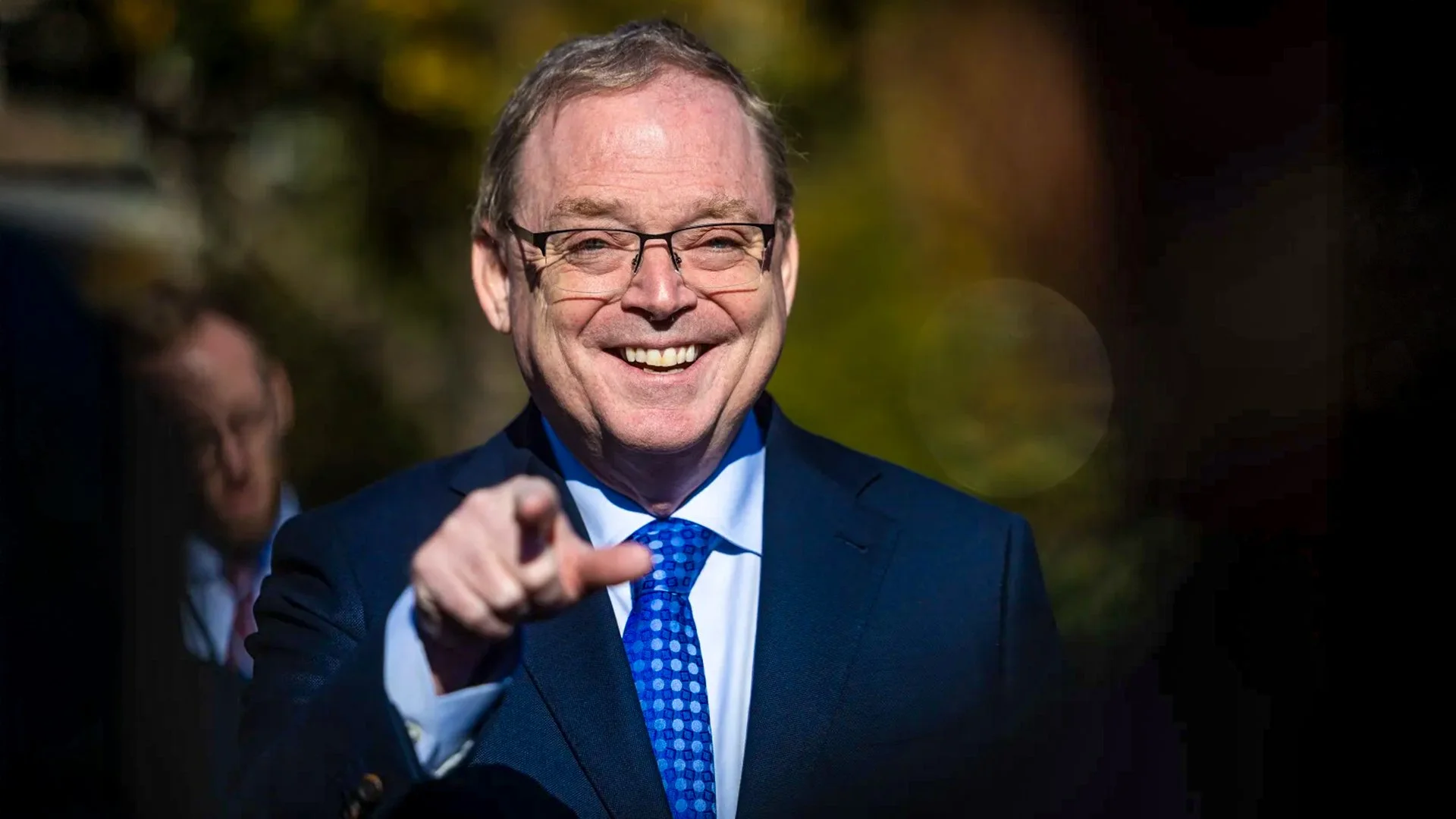
The delicate and critical issue of Federal Reserve independence has been placed squarely in the spotlight as President Donald Trump prepares to name his nominee to replace current Fed Chair Jerome Powell. Kevin Hassett, a leading contender for the role, has publicly pushed back on the notion that the President's policy views would override the central bank's mandate, stating clearly that President Trump would have "no weight" on interest rate decisions made by the rate-setting Federal Open Market Committee (FOMC).
Hassett’s comments, made during a Sunday interview on CBS News’ "Face the Nation," provide a critical glimpse into how he—or any Trump appointee—might navigate the unprecedented political pressures coming from the White House.
The Chairman’s Dilemma: Advisory Role vs. Voting Power
The comments from Kevin Hassett, the current Director of the National Economic Council, come as President Trump escalates his public demand for the Fed to aggressively cut its benchmark rate, which currently stands at around 3.6%. Trump has repeatedly stated his preference for a rate of 1% or lower, a view that is not shared by mainstream economists.
Separating Discussion from Decision
Hassett sought to draw a clear line between the Chair’s role as an advisor and the FOMC’s function as an independent, voting body.
Presidential Input: Hassett confirmed that if appointed, he would continue to speak with President Trump—as he already does frequently—and would present the President's economic arguments to the FOMC.
The Weight of the Argument: When directly asked if the President's opinions would carry "equal weighting" with those of the committee members, Hassett was unequivocal: "No, he would have no weight." He clarified that the argument only "matters if it’s good, if it’s based on data."
The Vote: Ultimately, Hassett stressed that the decision rests with the committee. "If they reject it, then they’ll vote in a different way," he said, concluding, “In the end, the job of the Fed is to be independent.”
This distinction attempts to reconcile the political reality of a relationship with a highly engaged President with the institutional mandate for independence, a cornerstone of effective monetary policy globally.

Forex Trading: The Price of Political Independence
For Forex Trading, the independence of the Fed is arguably the single most important factor determining the long-term credibility and stability of the US Dollar (USD). The comments from Hassett are thus keenly watched by global investors and practitioners of Global Markets Eruditio.
The Inflation-Independence Link
Economists overwhelmingly agree that a politically independent central bank is more effective at combating inflation. This is because it allows the bank to take unpopular but necessary steps—such as raising interest rates—to cool the economy without fear of immediate political retribution.
Risk to the USD: If the market perceives the Fed is compromising its independence by succumbing to political pressure for unwarranted rate cuts (i.e., cutting rates to 1% when inflation is still running above the 2% target), the USD could face significant bearish pressure. Such an action would signal to traders that the Fed may not be committed to its dual mandate of price stability and maximum employment, potentially leading to higher long-term inflation expectations.
Hassett vs. Warsh: The nomination race is currently focused on Hassett and Kevin Warsh, a former Fed Governor. While Hassett is seen as aligning with Trump's desire for immediate cuts, his strong defense of independence provides a measure of comfort to those worried about the stability of the USD/JPY or EUR/USD currency pairs.
Trump's View
President Trump, who is reportedly conducting final interviews for the Fed Chair, has made it clear he expects his voice to be heard, saying, "I think my voice should be heard," given his success. This public demand continues a trend started during his first term, breaking decades of precedent where presidents maintained silence on Fed policy to avoid even the appearance of interference.
Do You Know How a Politically Dependent Fed Could Affect Your USD Trades?
The appointment of the next Fed Chair is a high-stakes event that will define US monetary policy for years to come. Hassett's insistence on FOMC authority confirms that the committee structure, and not just the chair, remains the firewall against political interference.
Master the skill of analyzing central bank independence and political risk for actionable currency trades.
Join the GME Academy community today and sign up for our FREE Forex Workshop to learn how to incorporate governance factors into your trading plan for the USD currency pairs, securing a comprehensive understanding of the forces that move the market.
