

Trump Declares Inflation 'Totally Neutralized,' Pressures Fed for Rate Cuts Despite Powell's Stance
President Donald Trump delivered a striking assessment of the US economy, claiming that inflation has been "totally neutralized" and pushing back against the central bank's current trajectory by insisting that interest rates "are coming down" despite the current Federal Reserve Chair Jerome Powell. The President also warned against the dangers of deflation and linked his policy preferences to international relations, specifically noting his "great relationship with Xi of China."
These comments highlight a fundamental—and increasingly public—clash between the White House and the Federal Reserve over the direction of US monetary policy, particularly as the President openly lobbies for a successor to Chair Powell who will prioritize aggressive rate cuts.
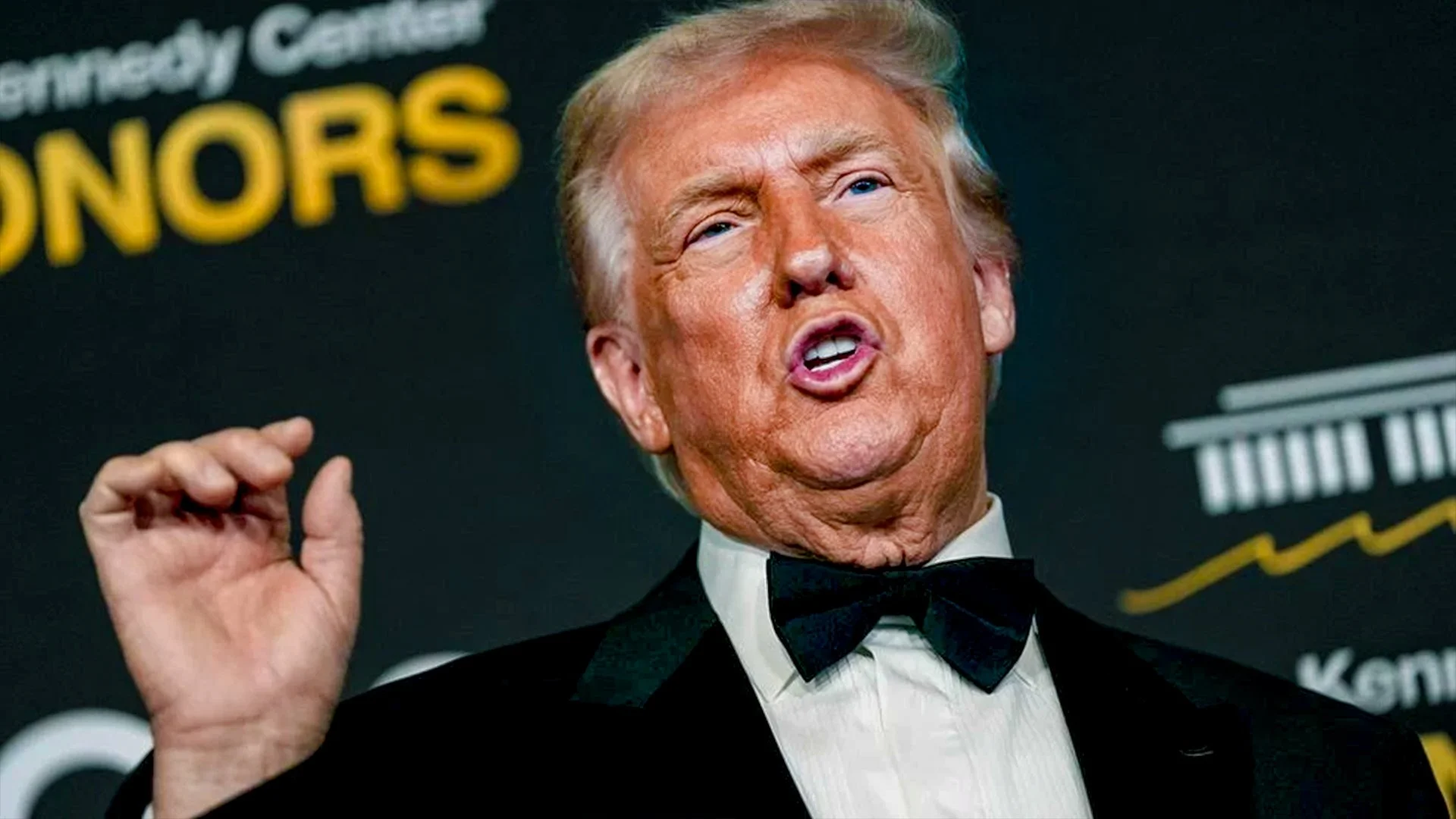
The Inflation vs. Deflation Stance
President Trump's economic comments centered on his belief that his administration has successfully stabilized prices, using language that challenges the conventional economic view.
"Totally Neutralized" vs. Reality
The President’s claim that inflation is "totally neutralized" is a strong assertion that appears to be at odds with the latest available data.
As of September 2025, the US Consumer Price Index (CPI) indicated that the headline inflation rate was still 3.0% year-over-year. While this is down significantly from the post-pandemic peak, it remains above the Federal Reserve's long-term target of 2%.
The President's rhetoric aims to shift the focus away from the disinflation the economy has been experiencing (prices rising more slowly) and towards a perceived stability that would justify lower rates.
The Deflation Warning
Crucially, the President explicitly warned: "You don't want deflation." This statement aligns with mainstream economic consensus.
Deflation is a sustained decrease in the general price level (a negative inflation rate). Economists fear deflation because it causes consumers and businesses to delay purchases, anticipating lower future prices, which can lead to a debilitating cycle of reduced demand, falling production, job losses, and economic depression.
By warning against deflation, the President is making a case that the Fed's current policy stance is too tight and risks pushing the economy into a dangerous negative price spiral, thereby justifying his call for immediate rate cuts.

Clash with the Fed: Rates are "Coming Down"
The President reiterated his long-standing belief that the Federal Reserve's policy has been overly restrictive, stating that the "New Fed Head wants to see interest rates go down" and that "Interest rates are coming down despite Fed Chair Powell."
The Federal Reserve, led by Chair Powell, recently cut the Federal Funds Effective Rate to a target range of 3.50% - 3.75% (as of December 2025), bringing the rate close to what the FOMC views as "neutral"—a level that neither accelerates nor decelerates the economy.
Political Pressure: Trump's comments are an unambiguous attempt to exert political pressure on the central bank, which is mandated to operate independently. The insistence that his views will dictate the future direction of rates—regardless of the FOMC's independent assessment of economic data—reinforces the significant political risk premium currently facing the US Dollar (USD).
The Next Chair: The comments also serve as a clear directive for the final candidates being interviewed to replace Powell, signaling that the President expects his nominee to be sympathetic to his demand for further, aggressive rate cuts.
Trade and Rates: The Xi Factor
The President also introduced a geopolitical element into his economic commentary, stating, "Have a great relationship with Xi of China."
This statement, though not directly related to the Federal Reserve's dual mandate, implies that positive international relations—specifically with the world's second-largest economy—could reduce global risks and trade uncertainty. From the President's perspective, this improved stability further reduces the need for the Fed to maintain high interest rates as a form of "insurance" against global economic shocks, thereby bolstering his argument for monetary easing.
Are You Prepared for a Politically Driven Shift in the USD Interest Rate Outlook?
The President's persistent public demands for rate cuts, coupled with the ongoing search for a new Fed Chair, make the USD highly sensitive to political news. The key question for traders remains: Will the Federal Reserve's independence hold, or will political pressure accelerate the pace of interest rate cuts?
Master the skill of translating high-level political demands into actionable currency trades.
Join the GME Academy community today and sign up for our FREE Forex Workshop to learn how to analyze the delicate balance between political influence and monetary policy, and position yourself on USD currency pairs, securing a comprehensive understanding of the forces that move the market.
