

Stability at the Core: Fed Reappoints Regional Presidents Amid Economic Policy Headwinds
The Federal Reserve on Thursday announced the reappointment of nearly all of its Federal Reserve Bank presidents and first vice presidents for new five-year terms beginning March 1, 2026. This move, which received the unanimous concurrence of the Federal Reserve Board members, signals a commitment to institutional stability and continuity at a time when the central bank is navigating a complex monetary policy landscape characterized by recent rate cuts and an uncertain labor market.
The reappointment process, which is mandated by law every five years, is not a mere formality. It involved a comprehensive performance review by the boards of directors of each regional Reserve Bank, who solicited extensive input from local business, financial, and non-profit communities within their respective districts. The criteria focused on three critical areas of performance:
District Engagement: The president's active involvement and understanding of local economic conditions.
Executive Effectiveness: Their management of the Reserve Bank's operations and staff.
System Leadership: Their contributions to the cohesive functioning of the Federal Reserve System.
The reappointments effectively lock in the regional leadership for the next half-decade, ensuring a consistent voice from each district as the Federal Open Market Committee (FOMC) debates future interest rate moves.
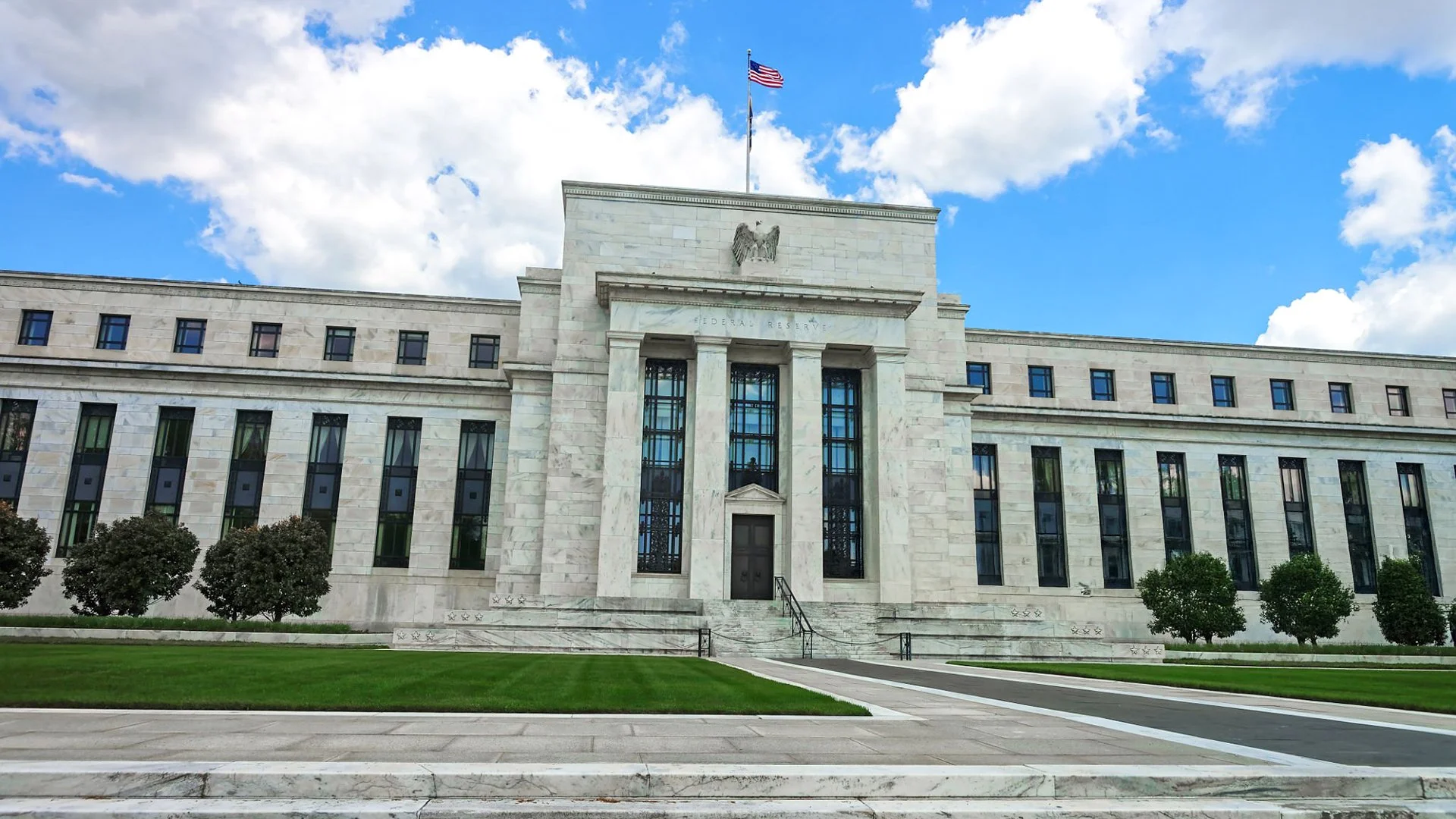
The Roster: Continuity in the FOMC’s Regional Voices
The Federal Reserve System is comprised of the Board of Governors in Washington, D.C., and twelve regional Reserve Banks. While the seven Governors always vote on the FOMC, only five Reserve Bank presidents vote annually (the President of the New York Fed is a permanent voting member, and the remaining four seats rotate among the other eleven presidents). However, all twelve presidents attend and participate in the policy discussions, making their reappointment critically important.
Key Reappointments Announced:
New York
President (Reappointed): John C. Williams
First Vice President (Reappointed): Sushmita Shukla
Boston
President (Reappointed): Susan M. Collins
First Vice President (Reappointed): Karen A. Pennell
Dallas
President (Reappointed): Lorie K. Logan
First Vice President (Reappointed): Robert L. Triplett III
San Francisco
President (Reappointed): Mary C. Daly
First Vice President (Reappointed): Sarah E. Devany
Minneapolis
President (Reappointed): Neel T. Kashkari
First Vice President (Reappointed): Ron J. Feldman
Kansas City
President (Reappointed): Jeffrey R. Schmid
First Vice President (Reappointed): Kimberly N. Robbins
Chicago
President (Reappointed): Austan D. Goolsbee
First Vice President: Shonda S. Clay (approved to start March 1, 2026)
St. Louis
President (Reappointed): Alberto Musalem
First Vice President (Reappointed): François G. Henriquez II
Richmond
President (Reappointed): Thomas I. Barkin
First Vice President (Reappointed): Becky C. Bareford
Philadelphia
President (Reappointed): Anna Paulson
First Vice President (Reappointed): Jeanne P. Pentezales
Cleveland
President (Reappointed): Beth M. Hammack
First Vice President (Reappointed): Mark S. Meder
The list notably features several presidents who have recently played pivotal roles in the FOMC’s recent debates. John C. Williams (New York) is a permanent, influential voting member, while others like Austan D. Goolsbee (Chicago) and Jeffrey R. Schmid (Kansas City) have been central figures in the debate over the pace of rate cuts. Schmid, in particular, has been one of the more consistently cautious voices against aggressive easing.


Key Changes and The Atlanta Search
While most terms saw reappointments, two significant shifts were noted:
Atlanta Fed Presidency: Raphael W. Bostic had previously announced his retirement from the Federal Reserve Bank of Atlanta at the end of his current term. Cheryl L. Venable, the First Vice President, was reappointed and will serve as acting president until the Atlanta Board of Directors finds a successor.
Chicago Fed First VP: Shonda S. Clay was previously approved to begin her term as First Vice President on March 1, 2026, succeeding the retiring Ellen Bromagen.
The fact that the entire reappointment process concluded with unanimous support from the Board of Governors provides a strong signal of unity at the Fed's highest levels, despite the highly contested nature of recent monetary policy decisions.
Forex Trading: Implications for Policy and the USD
For Forex Trading, the continuity of regional bank presidents is a factor in projecting future FOMC outcomes, a concept studied by those focused on Global Markets Eruditio.
Policy Stability: The reappointments reduce the uncertainty that could be generated by a sudden influx of new, unknown policymakers. Traders can continue to analyze the existing, distinct voices (e.g., Kashkari's inflation-fighting stance, Daly's focus on employment) when formulating USD trading strategies against currency pairs like EUR/USD or USD/CAD.
Regional Economic Input: The evaluation criteria, which emphasized the president's engagement with their local business and community leaders, confirm the value placed on regional economic intelligence within the Fed's policy structure. This means traders must continue to monitor public comments from these regional heads for clues about localized inflation and employment trends that influence their votes. For example, a speech from Thomas Barkin (Richmond Fed) on labor scarcity in the mid-Atlantic region would be a significant data point.
The reappointment process ensures that the FOMC's unique structure—which balances centralized governance (Board of Governors) with decentralized regional input (Reserve Bank Presidents)—will remain intact, providing essential stability during a delicate period for the US Dollar and the global economy.
Do You Know How the Rotating Votes of these Presidents Affect Your USD Trades?
Understanding the reappointment process and the policy leanings of these regional presidents is essential for anticipating shifts in the Federal Reserve's stance.
Master the skill of translating Fed governance and leadership structure into actionable currency trades.
Join the GME Academy community today and sign up for our FREE Forex Workshop to learn how the rotation of voting power on the FOMC impacts USD currency pairs, securing a comprehensive understanding of the forces that move the market.
