

RBA Hits Pause at 3.60% — But What’s Next for the Aussie Dollar?
Rates on Hold: A Breather or a Warning?
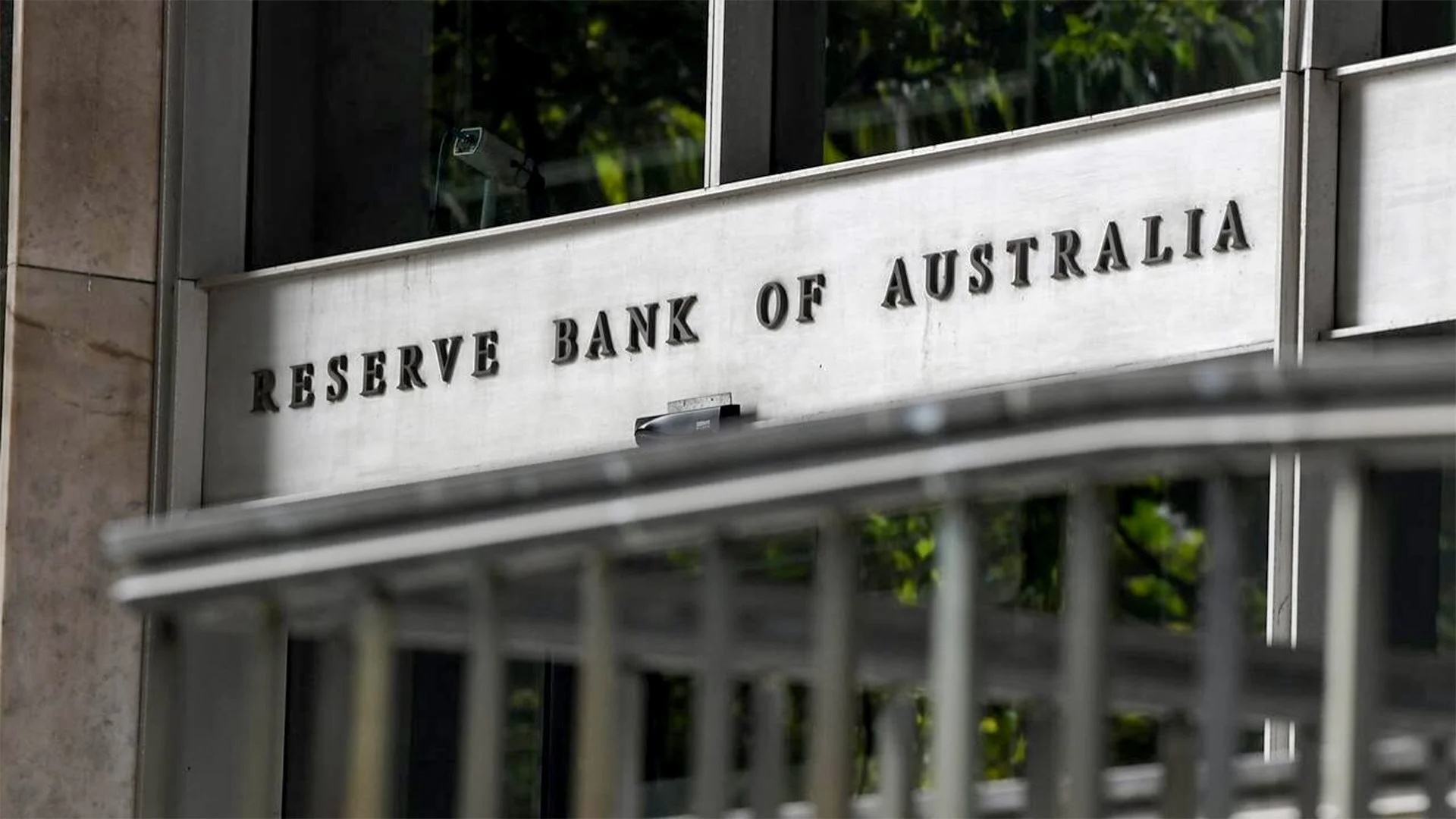
The Reserve Bank of Australia (RBA) has pressed pause, holding its benchmark cash rate steady at 3.60%. For some, this signals much-needed stability after a year of aggressive hikes. For others, it raises the bigger question: is this truly the end of tightening, or just a breather before another round of rate increases?
Markets are now caught between relief and caution. Traders see this decision as a chance to reassess their positions, while households wonder if borrowing costs will remain steady — or creep up again in the coming months.
Inflation Cooling… But Not Fast Enough
Inflation, once running dangerously hot in 2022, has cooled significantly. It now sits within the RBA’s 2–3% target range, but the pace of decline has slowed. Recent indicators even hint that September inflation might come in stronger than expected.
For traders, this is more than a number on a chart — it’s a potential red flag. A surprise uptick in inflation could force the RBA’s hand, pushing policymakers toward renewed tightening. That scenario would likely strengthen the Australian dollar (AUD), at least in the short term, as higher rates make Aussie assets more attractive to global investors.
Private Demand Takes the Wheel
The RBA’s latest statement highlighted a notable shift: private demand is now the key engine of growth. Household spending is rising again, and housing activity has picked up, thanks in part to the rate cuts delivered earlier in the year.
This pivot away from government-driven spending suggests the economy is beginning to stand on its own legs. Still, the recovery remains fragile, and whether households can sustain this momentum amid higher living costs remains uncertain.
Labour Market Holds Steady, But Costs Bite
Unemployment held steady at 4.2%, reflecting resilience in the job market. Businesses are still hiring, and workers are finding opportunities. However, beneath this surface stability lies a stubborn challenge: weak productivity growth.
When productivity stagnates, wage gains translate directly into higher labor costs. That makes it harder for inflation to cool further, even when demand softens. For the RBA, this is a dilemma — raise rates to rein in costs and risk hurting jobs, or hold steady and risk sticky inflation. Either way, traders should prepare for more volatility in the months ahead.
Global Storm Clouds Still Loom
Even with domestic strength, Australia cannot escape global headwinds. The RBA flagged several external risks: U.S. tariffs that could disrupt trade, slowing global demand, and ongoing geopolitical tensions in key regions.
Any shock to global markets could ripple through Australia’s export-heavy economy, putting pressure on both growth and the AUD. Policymakers stressed their readiness to act quickly if these risks spill over, which means sudden shifts in monetary policy cannot be ruled out.
Forex Angle: Why Traders Should Care
For Forex traders, this pause is far from boring — it’s a signal to stay alert.
AUD/USD and AUD/JPY: Stable rates today don’t mean calm tomorrow. A hotter inflation print or global shock could send the Aussie sharply higher or lower.
Predictability vs. Surprise: The RBA’s steady hand might look predictable, but surprises are now lurking in economic data and global headlines, not central bank meetings.
Those watching the charts must balance patience with vigilance, knowing that calm periods often precede big moves.


For OFWs: Why It Matters Back Home
The RBA’s decisions may feel far away from Manila, but their effects reach Filipino families directly.
Remittance Power: When the AUD strengthens, overseas Filipino workers (OFWs) in Australia send home more pesos for every dollar. That extra boost can ease financial pressure for households back home.
Household Budgets: Global price stability, tied partly to Australia’s role in commodities, can also help moderate fuel and food prices in the Philippines. In short, what happens in Sydney can trickle down to your grocery bill.
Calm Before the Storm?
By holding rates at 3.60%, the RBA is buying time — but not certainty. Inflation risks are still alive, and global shocks remain a constant threat.
For Forex traders, this is a chance to prepare for the next wave of volatility. For everyday Filipinos, especially OFW families, it’s a reminder that even small policy shifts abroad can echo across borders and affect day-to-day finances.
At GME Academy (Global Markets Eruditio), we help traders and families make sense of global moves like this. Understanding central bank decisions isn’t just for economists — it’s a practical tool for protecting your savings and growing your money.
Join our free Forex workshop today and learn how decisions made in Sydney or Washington ripple all the way to your peso — and your financial future.
