

Is China’s Manufacturing Sector Finally Turning a Corner?
Official PMI: Slowing Contraction Sparks Hope
China’s latest Purchasing Managers’ Index (PMI) brought cautious optimism to markets. The official PMI came in at 49.8 for September, higher than forecasts of 49.6, and marking the strongest reading since March. Although still below the 50 mark — indicating contraction — the slower pace of decline suggests that Beijing’s stabilizing measures may be starting to work.
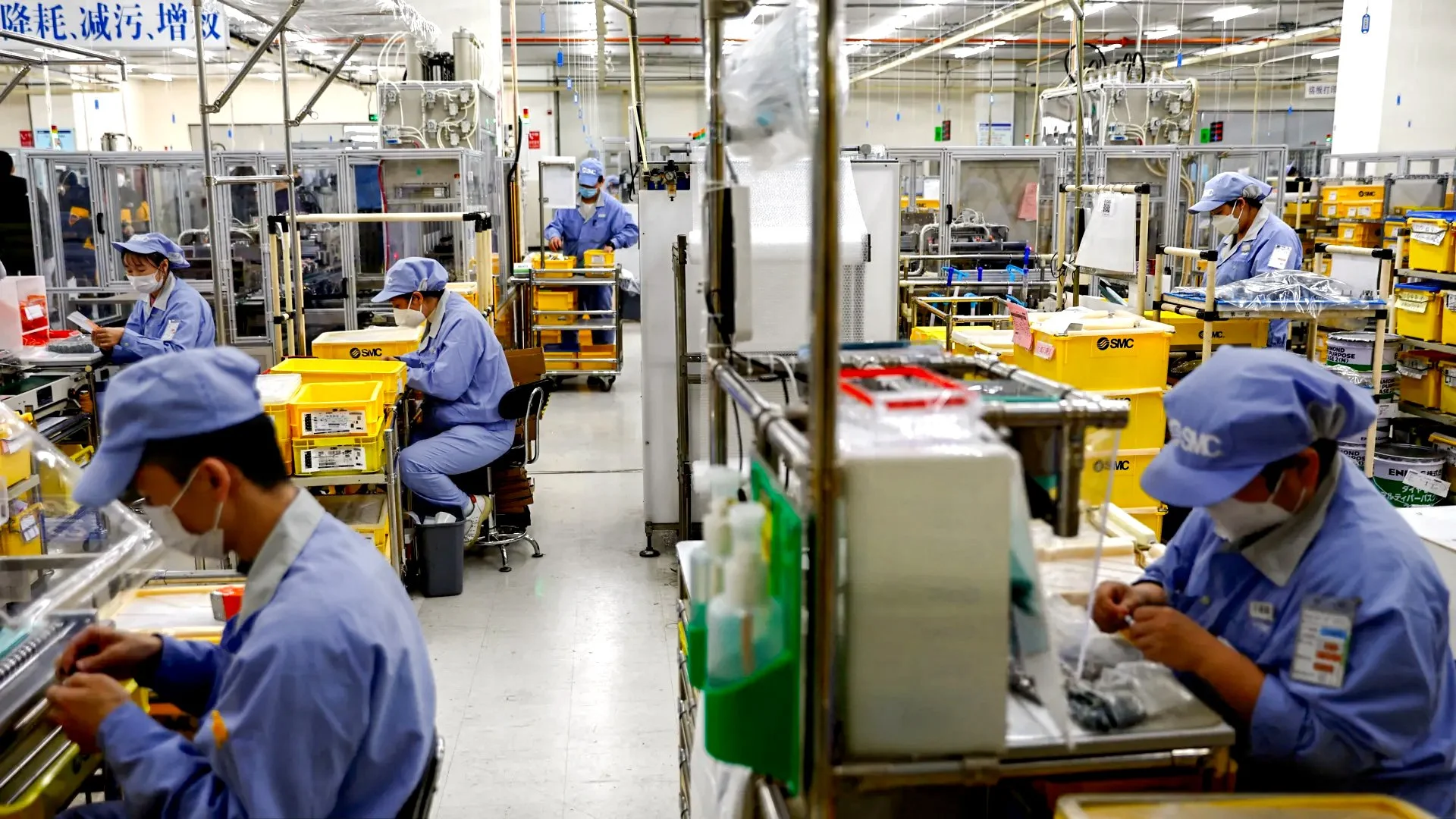
RatingDog PMI: Private Survey Flashes Expansion
Adding fuel to the optimism, RatingDog’s PMI hit 51.2, well above the 50.2 forecast and signaling outright expansion in the sector — its highest level since May. This divergence between the official and private gauges underscores the split narrative within China’s manufacturing landscape.
Forex Traders: Why These Numbers Matter
For Forex markets, PMI readings are more than just statistics — they’re trading signals.
Official PMI (49.8): Contraction, but easing → supportive for sentiment.
RatingDog PMI (51.2): Expansion → bolsters confidence in China’s demand outlook.
Together, these readings paint a mixed but improving picture, with potential ripple effects across the yuan (CNY) and commodity-linked currencies such as the Australian dollar (AUD) and New Zealand dollar (NZD).
Beijing’s Balancing Act: Policy Push vs. Global Pressures
The PMI uptick comes as Beijing intensifies efforts to curb industrial overcapacity amid sluggish domestic demand and weakened exports pressured by U.S. tariffs. Government policies — including targeted investments and easier financing for manufacturers — may be cushioning the blow.
Yet, not all is rosy. The non-manufacturing PMI slipped to 52.9 from 53, while RatingDog’s general services PMI eased to 50, showing that services and construction momentum is cooling at the edges.
October Politburo Meeting: What’s Next on the Policy Front?
Markets are now laser-focused on the upcoming Politburo meeting in October, which could reveal Beijing’s strategy for the rest of the year. Analysts believe the government may tolerate slower growth in H2, as long as the 5% full-year GDP target remains intact. Traders should watch closely for any signs of stimulus or restraint.


Everyday Impact: Why Filipinos Should Care
You may ask: How does China’s PMI matter to me?
Higher demand in China → higher global prices for commodities like coal, copper, and agricultural products.
Exchange rate effects: Movements in AUD and NZD, both tied to China’s demand, directly affect peso remittances for OFWs.
Stability in China’s economy → reduced volatility in global markets, meaning more predictable costs for essentials like food and fuel.
Final Take: A Turning Point or Temporary Relief?
While China’s official PMI still signals contraction, the narrowing decline and upbeat private survey highlight underlying resilience. For traders, this could mean steadier CNY outlooks and opportunities in AUD/USD and NZD/USD. For everyday citizens, it’s a reminder that shifts in Beijing’s factories can shape your peso, your remittances, and your grocery bill.
Stay Ahead of the Curve
Stay one step ahead of global market shifts with GME Academy (Global Markets Eruditio). Whether you’re exploring Forex trading for beginners or refining advanced strategies, knowing how data like China’s PMI impacts currencies can sharpen your edge.
Join our free Forex workshop today and discover how world events directly affect your peso, your savings, and your future.
