


US Jobless Claims Fall Slightly—But Is the Labor Market Quietly Weakening?
For Forex traders—especially those learning through GME Academy (Global Markets Eruditio)—employment data is one of the most important indicators affecting the US Dollar (USD).
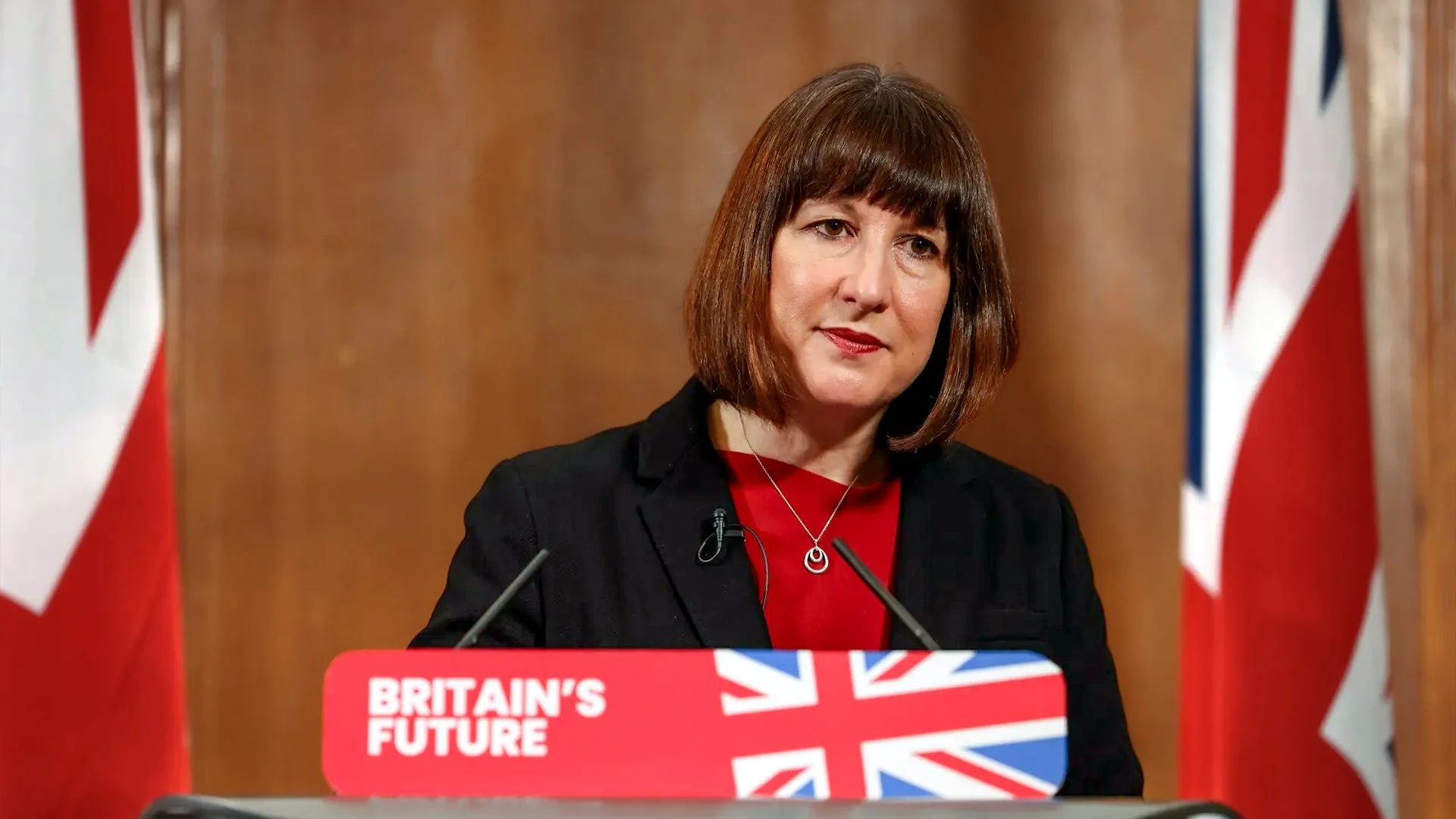
UK Chancellor Reeves Unveils Budget Plan: Inflation Targeted, Investment Secured, and Borrowing on the Decline
In a major fiscal announcement, UK Chancellor Reeves outlined the government’s budgetary roadmap, emphasizing economic stability, investment continuity, and a commitment to controlling inflation.

Japan’s Economic Outlook: BoJ’s Koeda on Activity, Prices, and Monetary Policy
Japan’s economy continues to draw global attention as the Bank of Japan (BoJ) carefully monitors domestic and international developments. Recently, BoJ board member Koeda provided an extensive update on economic activity, price trends, and monetary policy, highlighting key factors that may influence Forex trading and the Japanese Yen.

Australia’s Wage Growth Holds Steady: What the Latest WPI Means for the Economy and Forex Traders
The Australian Wage Price Index (WPI), a key measure of labor cost growth unaffected by shifts in workforce composition or hours worked, shows that wage growth continues to hold steady, signaling important implications for both the domestic economy and global Forex markets.

BOE’s Pill Signals Caution: UK Underlying Inflation Still Stronger Than It Appears
Bank of England (BOE) Governor Jonathan Pill has issued a note of caution to markets and policymakers, highlighting that underlying inflation dynamics in the UK remain higher than headline figures suggest.

The Case for Strong, Effective Banking Supervision: Why It Matters for the Economy
At a time of increasing pressure on financial oversight, Federal Reserve Governor Michael S. Barr delivered a compelling argument for the importance of strong, effective banking supervision.

Job Growth Sluggish, But New Hires Are Rising—Here’s Why
At first glance, the U.S. labor market appears to be in a paradox. Job growth has slowed, yet new hires—the workers added to payrolls over the past three months—are on the rise.

U.S. Layoff Notices Surge in October: Early Warning Signs of Labor Market Stress
October saw a sharp increase in layoff notices across much of the United States, signaling potential stress in the labor market as companies adjust to shifting economic conditions.
US Jobless Claims Hold at 232K: What This Means for the Economy and Forex Traders
The latest data from the US Department of Labor shows that initial jobless claims for the week ending October 18th remained at 232,000. While this figure is in line with expectations, it continues to reflect a resilient labor market amid ongoing economic uncertainty.

Australia’s Job Market Surprise: What a 4.3% Unemployment Rate Means for Forex Traders
Australia’s latest labor report has caught the attention of both economists and Forex traders, with the unemployment rate easing to 4.3% in October 2025, signaling that the nation’s job market remains resilient despite slowing global growth and cautious monetary policy.

Bessent Signals Tariff Relief, Rebates, and Economic Recovery Ahead: What It Means for Markets and Forex Traders
U.S. Treasury Secretary Bessent has delivered a series of announcements that could have significant implications for the economy, consumer prices, and Forex markets.
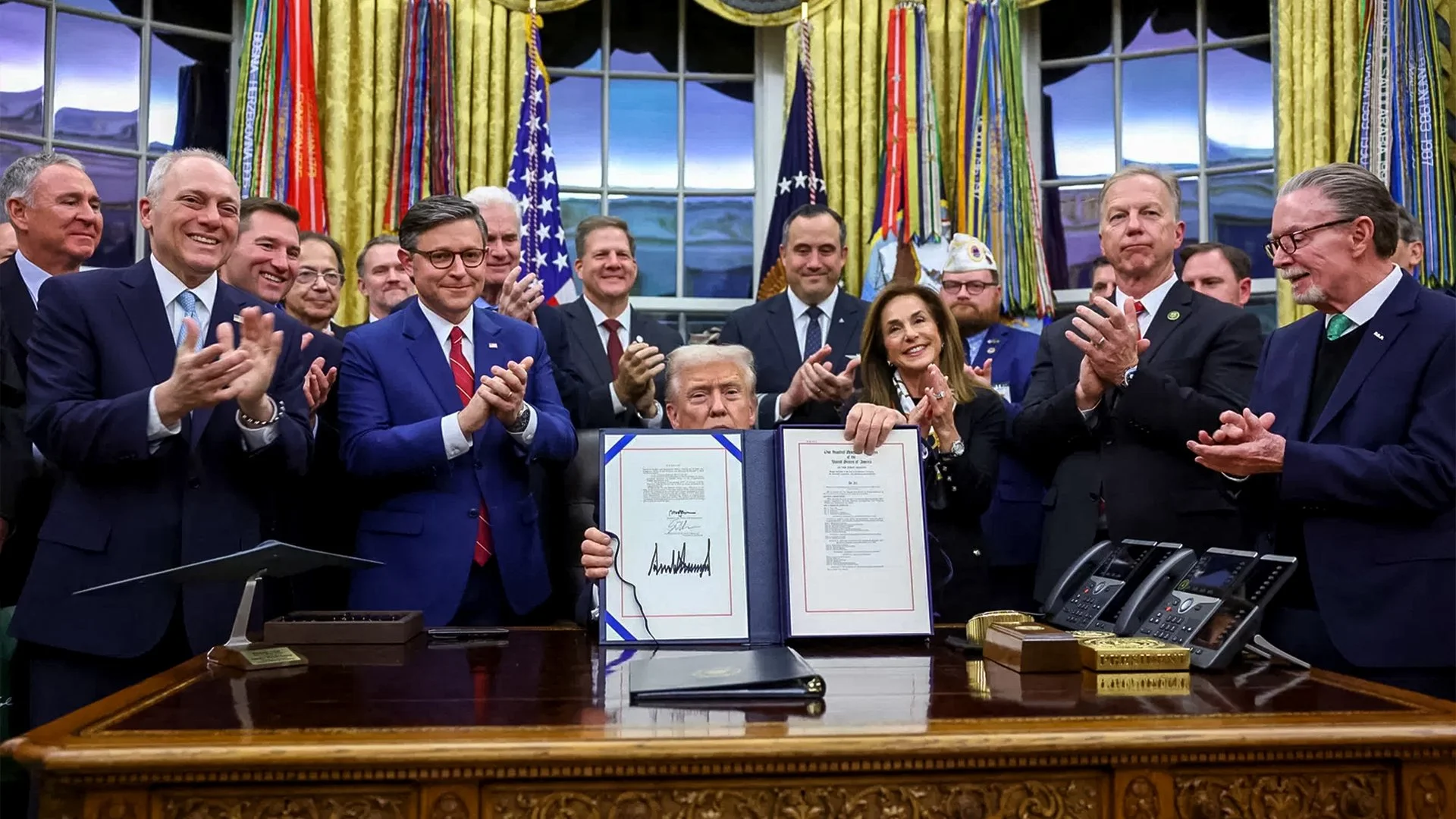
Trump Signs Spending Bill, Ending Longest U.S. Government Shutdown
In a historic move, former President Donald Trump signed a government spending bill, officially ending the longest shutdown in U.S. history.

UK’s GDP Falters in September 2025: Is the Pound Headed for Rough Waters?
The United Kingdom’s economic engine sputtered in September 2025, with the Office for National Statistics (ONS) reporting that real GDP fell by 0.1% in the month, following stagnation in August. The figures paint a picture of an economy struggling to regain momentum as weak production, particularly in the automotive sector, continues to drag on overall output.

UK Labour Market Slows in November 2025—What It Means for the Pound and Forex Traders
The latest labour market overview for the UK shows that employment is softening, with payrolled employees falling by 117,000 (0.4%) year-on-year between September 2024 and September 2025, and a monthly decline of 32,000 (0.1%) from August to September 2025.

ECB’s de Guindos Signals Cautious Approach: What This Means for the Euro and Forex Traders
European Central Bank (ECB) Vice President Luis de Guindos recently highlighted that while economic growth in the Eurozone remains positive, it is still very low. This cautious assessment comes amid lingering uncertainty from global trade tensions, rising energy costs, and moderate domestic demand across EU member states.
U.S. Government Shutdown Could End Soon: What Senate Developments Mean for the Dollar and Forex Markets
Senate Majority Leader John Thune has indicated that a government shutdown agreement is nearly ready, signaling potential resolution to weeks of political deadlock in Washington, D.C. According to Axios, Democrats are prepared to bring bills to the Senate floor to end the shutdown, with at least 10 Senate Democrats expected to support the plan.
BoE’s Greene Warns: Inflation Persistence May Demand Tougher Monetary Policy — What It Means for the Pound
The Bank of England’s (BoE) Monetary Policy Committee (MPC) member Megan Greene issued a stark warning that the United Kingdom’s fight against inflation is far from over.

U.S. Consumer Confidence Crumbles to 3-Year Low—What the Michigan Sentiment Slump Means for the Dollar and Forex Markets
The latest University of Michigan Consumer Sentiment Index for November 2025 has delivered a sobering picture of U.S. economic morale. The headline figure plunged to 53.6, the weakest reading since June 2022, marking a steep reversal from earlier optimism this year

Japan Faces First Economic Contraction in Six Quarters—Are U.S. Tariffs to Blame?
Japan’s economy is on the brink of its first contraction in six quarters, as preliminary indicators suggest that GDP likely shrank 0.6% in real terms (2.5% annualized) in Q3 2025, according to a Reuters poll of 18 economists. This follows a 2.2% annualized expansion in Q2, signaling a sharp slowdown driven primarily by external pressures.

Financial Stability 2025: Are Hidden Market Vulnerabilities Signaling Risk for the Dollar?
The latest Financial Stability Report (April 2025 – November 2025 update) highlights that asset valuations remain elevated across equities, corporate bonds, and property markets. Following April’s market volatility, equity prices relative to earnings have climbed back near the top of historical ranges, while the equity premium—the reward investors demand for risk—remains well below average.