

The Case for Strong, Effective Banking Supervision: Why It Matters for the Economy
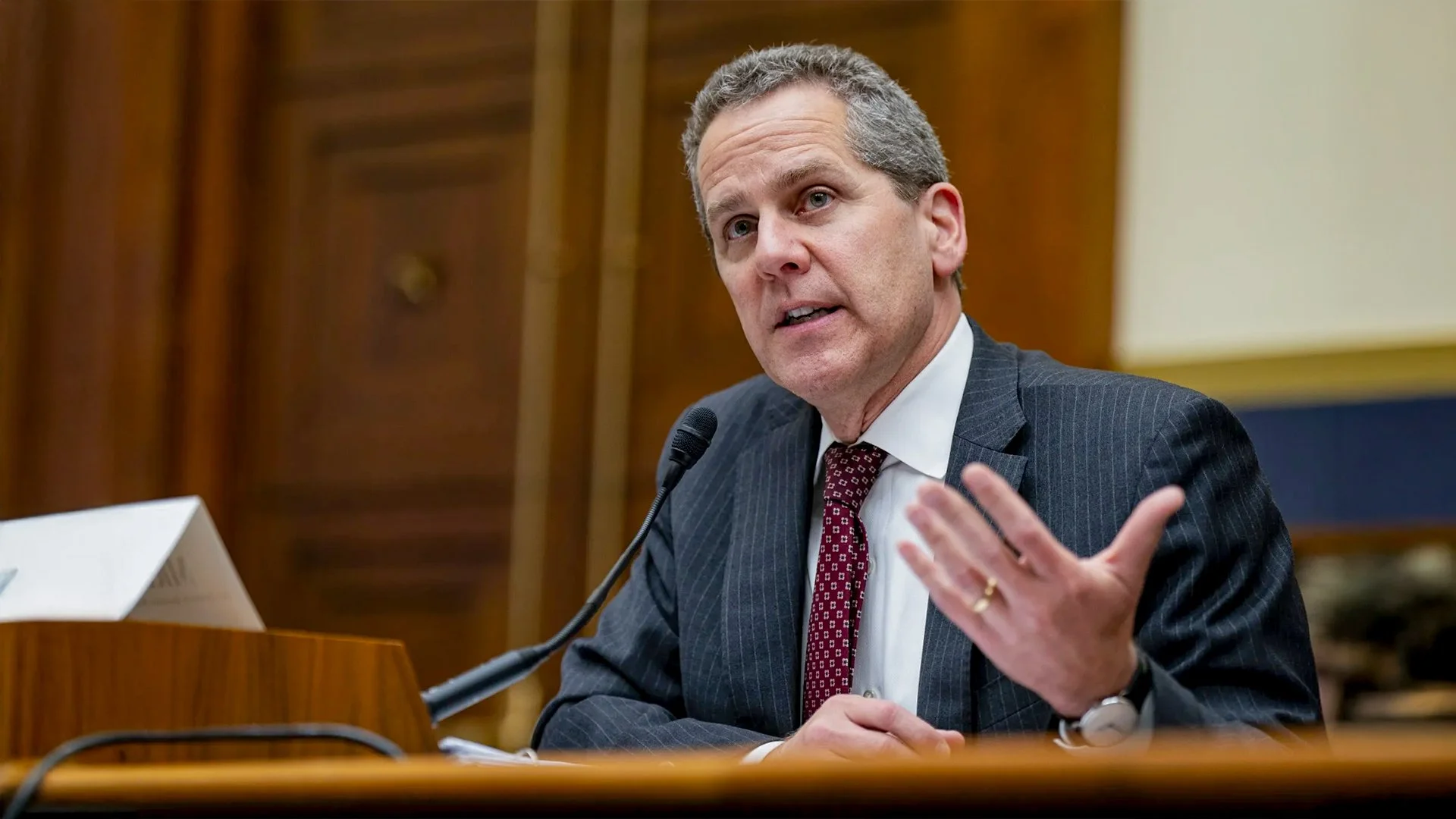
At a time of increasing pressure on financial oversight, Federal Reserve Governor Michael S. Barr delivered a compelling argument for the importance of strong, effective banking supervision. Speaking at the Alan Meltzer Speaker Series at American University, Barr highlighted how the health of the banking system underpins nearly every aspect of the economy—from lending and homeownership to entrepreneurship and community growth.
Why Banking Supervision Matters
The banking system sits at the core of economic stability. Banks provide credit that fuels businesses, enables families to buy homes, and sustains everyday financial transactions. For this system to function safely, banks must operate within clear guardrails established by regulation and supervision.
Barr emphasized that market discipline alone cannot prevent excessive risk-taking. History has shown that periods of financial calm often lead to weakened supervision, creating vulnerabilities that can trigger severe economic consequences. The Global Financial Crisis of 2008–2009 is a stark example, where lax oversight contributed to nearly 9 million jobs lost, 8 million home foreclosures, and $17 trillion in household wealth wiped out. Michigan, Barr noted, experienced a 14.9% unemployment rate, illustrating the local devastation of weak regulatory frameworks.
The Mission of Banking Supervision
At its core, the mission of banking supervision is to promote a safe, sound, and efficient banking system that supports a strong economy. Effective supervision ensures banks:
Operate safely and prudently.
Comply with laws and regulations.
Identify and mitigate risks before they threaten solvency or the broader financial system.
Protect consumers from misconduct, fraud, and other abuses.
Strong supervision builds trust in the banking system, which is critical for economic growth. When banks are well-managed and regulated, both businesses and households benefit from financial stability and predictable credit flows.
Foundations of Effective Supervision
According to Barr, effective supervision relies on three pillars:
Credible Regulatory Frameworks: Regulations provide “rules of the road,” including capital and liquidity requirements. Supervision ensures banks comply with these rules, especially as conditions change or new risks emerge.
Skilled Supervisory Staff: Effective supervision depends on experienced personnel capable of identifying risks, assessing governance, and implementing enforcement actions. Institutional knowledge cannot be easily replaced and is essential for timely intervention.
Forward-Looking Tools: Supervisors must anticipate emerging vulnerabilities rather than react after damage occurs. Stress tests and horizontal reviews across banks help detect systemic risks before they escalate. These tools ensure the system can withstand shocks such as market disruptions or economic downturns.
Key Components at Risk
Barr highlighted several trends that could weaken banking supervision:
Credibility of Ratings Systems: Proposed changes to the Large Financial Institution (LFI) rating system and CAMELS framework could downplay governance and management quality, reducing incentives for banks to correct internal weaknesses.
Limits on Enforcement Actions: New rules by the FDIC and OCC could restrict supervisory powers to issue enforcement actions or MRAs (matters requiring attention), tying examiners’ hands and potentially delaying corrective measures.
Internal Audit Oversight: Proposals allowing banks to validate their own remediation efforts could undermine independent supervisory assessments, risking overlooked deficiencies and systemic vulnerabilities.
Staff Reductions: Plans to cut 30% of the Federal Reserve Board’s Supervision and Regulation division staff by 2026 threaten the ability to act swiftly and effectively in managing risks, particularly in large, complex institutions.


Why Forward-Looking Supervision Is Critical
Forward-looking supervision ensures that vulnerabilities are addressed before they harm banks or the public. By combining stress testing, scenario analysis, and horizontal reviews, supervisors can anticipate risks and prevent systemic crises. Barr warned that weakening these tools or reducing their scope could result in false confidence and greater risk of instability, as past crises have repeatedly demonstrated.
The Broader Implications
Weakened supervision does not always create immediate problems, but history shows that the costs emerge over time. Periods of lax oversight often precede financial instability and systemic crises. Barr concluded that robust, well-resourced supervision is essential for maintaining trust, protecting consumers, and ensuring the banking system can continue to support the economy.
The Stakes Are High
Effective banking supervision is more than regulatory formality—it is the backbone of a stable financial system. As Governor Barr emphasized, strong supervision protects households, businesses, and the economy from systemic risks. Weakening guardrails or reducing supervisory capacity threatens not only individual banks but the financial system as a whole. History is a reminder: when supervision falters, the costs are enormous, and recovery takes years.
Want to Learn How Financial Oversight Impacts Forex and Market Stability?
Join our FREE Forex Workshop at GME Academy to discover how banking supervision, central bank policies, and financial regulation influence currency markets, risk management, and global economic stability.
Reserve your seat today and gain an edge in understanding market-moving developments
