


Fed’s Goolsbee Cautions Against Rapid Rate Cuts: Stable Jobs, Sticky Inflation, and the USD’s Balancing Act
In his latest remarks, Federal Reserve official Austan Goolsbee offered a cautiously optimistic assessment of the U.S. labor market, noting that most indicators continue to show “a lot of stability.”

U.S. GDP Release Could Shake Forex Markets
The Bureau of Economic Analysis (BEA) is set to release the Advance Gross Domestic Product (GDP) report for the latest quarter, and Forex traders are keeping a close eye. As the broadest measure of economic activity, the GDP tracks the inflation-adjusted value of all goods and services produced in the U.S., making it a primary gauge of the nation’s economic health.
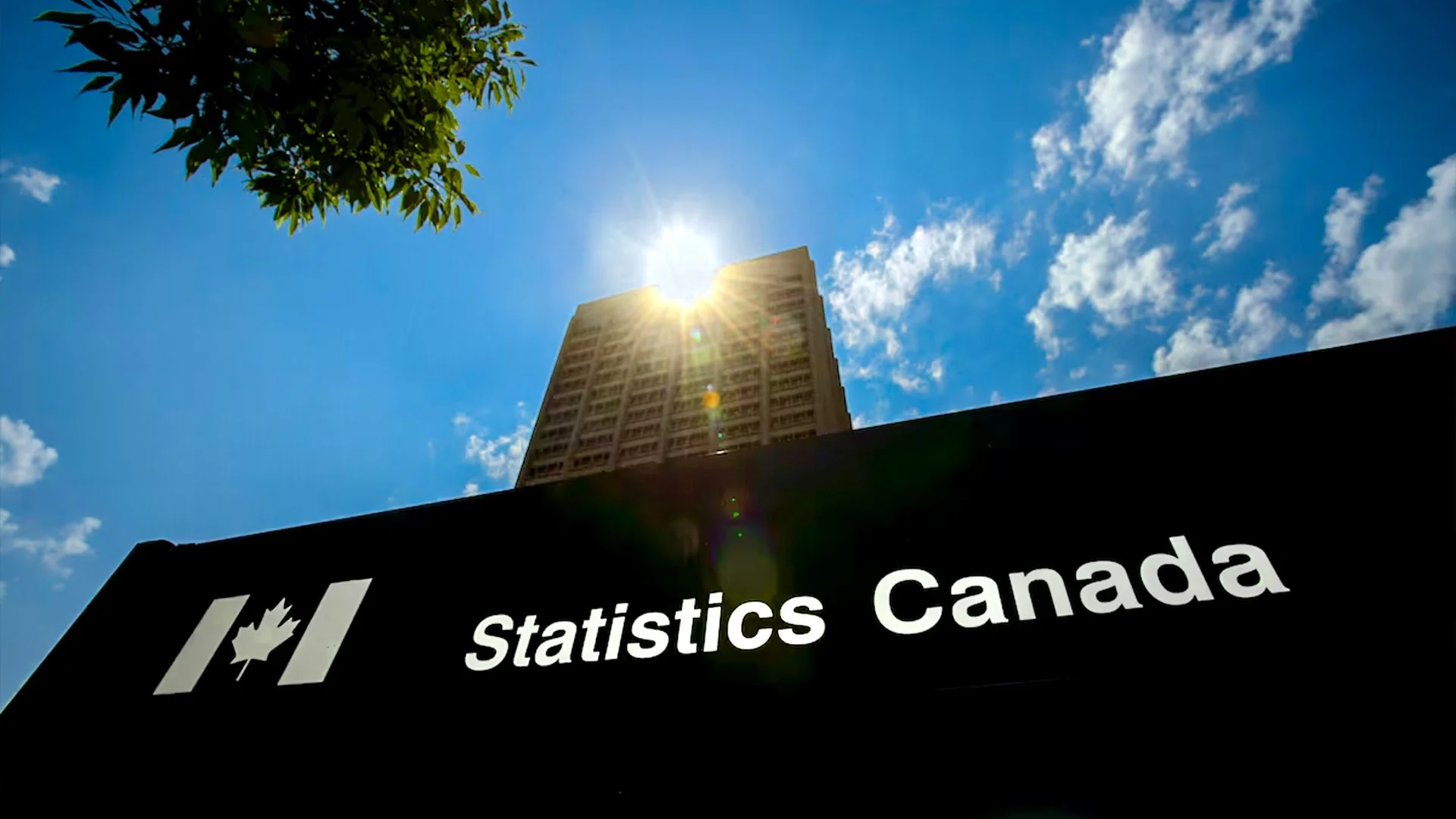
Canada’s Next GDP Reveal Could Signal Surprises for the Canadian Dollar
Statistics Canada is set to release the latest Gross Domestic Product (GDP) report, a key indicator that tracks the inflation-adjusted value of all goods and services produced across the country. For Forex traders, this report is more than just numbers—it provides a real-time glimpse of Canada’s economic health.

US Core PCE Could Hold Surprises for the Dollar
The Bureau of Economic Analysis (BEA) is set to release the latest Personal Consumption Expenditures (PCE) report, focusing on the inflation-adjusted prices of goods and services purchased by consumers, excluding volatile categories like food and energy.

U.S. Unemployment Rate: Will September’s Jobs Data Lift or Weigh Down the Dollar?
The U.S. labor market is once again in the spotlight as the Bureau of Labor Statistics (BLS) gears up to release its latest unemployment rate this September. This number—tracking the percentage of Americans who are jobless and actively seeking work—may look like just another statistic. But in the world of Forex trading, it’s a powerful signal that can send the U.S. Dollar (USD) climbing or tumbling in minutes

Pending Home Sales Report Today: Why It Matters for You and the US Dollar
The National Association of Realtors (NAR) is set to release its Pending Home Sales Index for July today—August 28, 2025—at 10 a.m. ET. This closely watched report offers one of the clearest forward-looking signals of the U.S. housing market's momentum, delivering important clues for Forex trading, particularly in currency pairs tied to the U.S. dollar.