

Fed’s Goolsbee Cautions Against Rapid Rate Cuts: Stable Jobs, Sticky Inflation, and the USD’s Balancing Act
Labor Market Holds Steady Despite Mild Cooling Signs
In his latest remarks, Federal Reserve official Austan Goolsbee offered a cautiously optimistic assessment of the U.S. labor market, noting that most indicators continue to show “a lot of stability.”
Speaking in a CNBC interview, Goolsbee highlighted that while there is some mild cooling, the overall picture remains far from recessionary. The unemployment rate is largely unchanged, and despite a recent dip in payroll job numbers, he cautioned against reading too much into a single data point.
“Recession starts are not usually low hiring, low firing,” Goolsbee said. “Low hiring and low firing suggest an uncertain environment — not collapse.”
This perspective reinforces the Fed’s belief that the U.S. economy remains resilient amid a gradual slowdown, a critical factor in shaping the central bank’s next moves on interest rates.
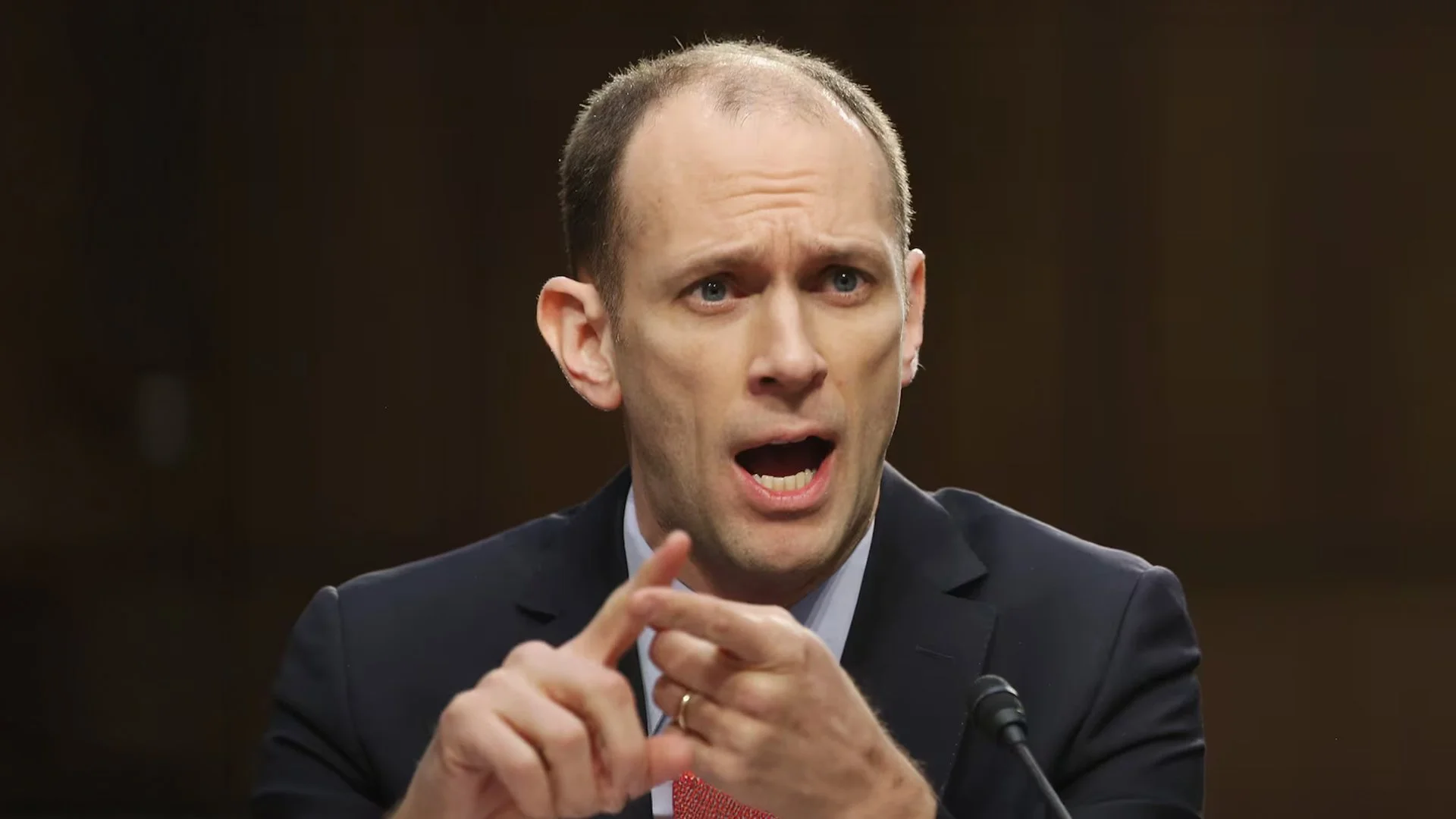
Mild Cooling, Not Collapse: What It Means for the Economy
According to Goolsbee, the U.S. labor market continues to exhibit remarkable endurance, even as hiring slows and wage pressures ease slightly.
He emphasized that while some sectors are showing weakness, the broader economy is not flashing recession warnings. Instead, the U.S. is navigating an orderly cooling process—one that could support the Fed’s goal of restoring inflation to its 2% target without triggering a deep downturn.
However, he warned that “a little downside risk” remains, and that data gaps in recent weeks make it harder to gauge the full picture.
“For data to go dark right when we’re seeing services inflation rise is uncomfortable,” he noted.
Inflation Data Uncertainty and Rate-Cut Reluctance
Despite recent disinflation trends, Goolsbee expressed unease about frontloading rate cuts, citing limited private-sector data on inflation and persistent price pressures in services.
“We can’t count on inflation being transitory,” he cautioned.
The Chicago Fed president’s comments suggest that while the Fed may continue cutting rates, the pace will likely be gradual and data-dependent. Markets had previously priced in a faster rate-cut cycle, but Goolsbee’s remarks may signal a pause or slowdown in easing.
He further hinted that the “settling point” for rates will eventually be lower than current levels, though not as low as markets might expect in the near term.


Strong Consumer Spending, Solid Growth Support USD Stability
While monetary policy uncertainty lingers, consumer spending remains strong and GDP growth has surprised on the upside. This resilience, Goolsbee said, reflects an economy that still has momentum—albeit with modest cooling beneath the surface.
For Forex markets, this backdrop paints a nuanced picture for the U.S. dollar (USD):
Stable employment and steady growth tend to support USD strength, especially against lower-yield currencies.
A slower rate-cut path reduces downward pressure on yields, maintaining investor confidence in U.S. assets.
However, any data confirming deeper labor weakness could shift sentiment toward dovish expectations, softening USD momentum.
The Forex Takeaway: Balancing Inflation, Growth, and Policy Signals
At Global Markets Eruditio (GME Academy), analysts view Goolsbee’s remarks as a signal of policy balance rather than a shift. The Fed remains data-driven, weighing risks between overcutting too early and tightening for too long.
For traders, this environment offers key takeaways:
Expect range-bound USD performance in the short term.
Watch for shifts in inflation and services data as the next big catalysts.
Rate expectations—more than the rate cuts themselves—will drive forex volatility across pairs like EUR/USD, GBP/USD, and USD/JPY.
Understanding the Market Impact
The takeaway is clear: the U.S. labor market’s resilience buys the Fed time, while lingering inflation risks keep the policy path uncertain. Goolsbee’s remarks underscore that the central bank is not yet ready to declare victory on inflation — a signal that could keep the USD supported in the weeks ahead.
Learn How Fed Signals Move the Forex Market
At GME Academy, we teach traders how to read central bank language, interpret economic data, and anticipate currency movements.
Understanding Fed commentary—like Goolsbee’s caution on rate cuts—can be the difference between catching a market move early or missing it entirely.
Join our FREE Forex Workshop today and learn how to turn global policy statements into trading opportunities.
