

The Fed Shake-up: Trump Signals a Radical Shift Toward Low-Interest Rates
With the search for the next Federal Reserve Chair heating up, President Trump’s demand for "much lower" rates sets the stage for a historic clash over central bank independence and the future of the US Dollar.
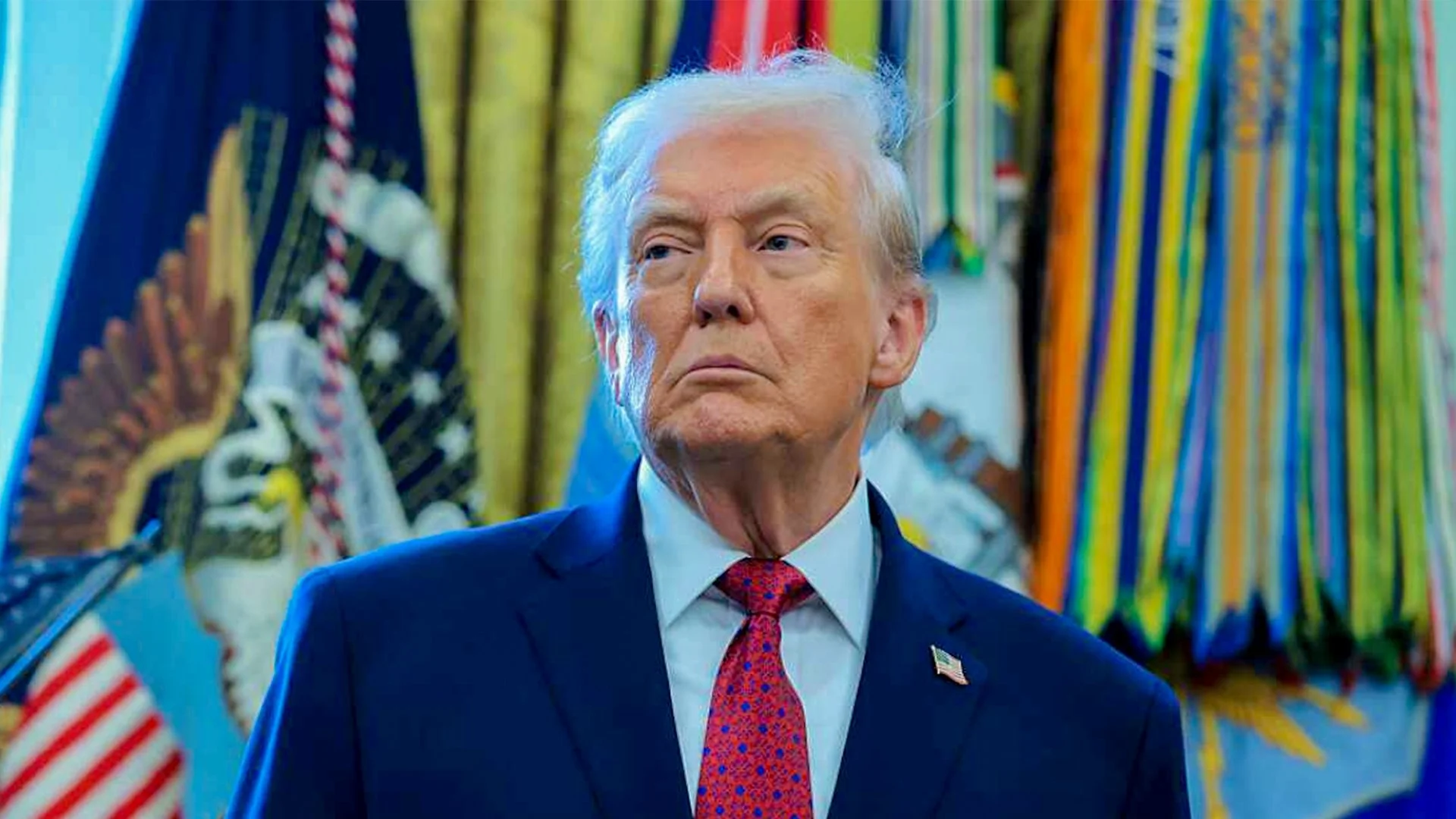
In a move that has sent ripples through the global financial markets, US President Donald Trump announced during a national address that his pick for the next Federal Reserve Chairman will be someone committed to slashing interest rates "by a lot."
Marking the end of his second term’s first year, the President's statement isn't just about cheaper borrowing; it is a challenge to the decades-old tradition of Federal Reserve independence. With the successor to Jerome Powell expected to be named early next year, the "race to the bottom" for interest rates has officially begun.
The Contenders: Who Will Lead the Fed?
The shortlist for the most powerful seat in global finance has narrowed down to three key figures, all of whom advocate for lower rates, though perhaps not to the "crisis-levels" the President envisions.
Kevin Hassett: Current White House economic adviser and a long-time Trump ally.
Kevin Warsh: A former Fed Governor known for his deep understanding of market mechanics.
Chris Waller: A current Fed Governor who was an early advocate for rate cuts but remains a staunch defender of the Fed’s autonomy.
While the current Fed rate sits between 3.5% and 3.75%, the President has expressed a desire to see rates drop as low as 1%. Even his most recent appointee, Governor Stephen Miran, has yet to support a move that aggressive, highlighting a potential gap between political desires and economic reality.

Mortgages vs. The Fed: The Reality Gap
A primary driver for the President’s push is the housing market. "Mortgage payments will be coming down even further," Trump promised. However, the relationship between the Fed and your mortgage isn't always a straight line.
The Federal Reserve controls the Federal Funds Rate (short-term), but mortgage rates are more closely tied to the 10-year Treasury note yield (long-term). This rate is driven by investor expectations of inflation and growth.
The Friction: Despite the Fed's recent posture, mortgage rates have remained stubborn, hovering in the 6.3% to 6.4% range since Labor Day. If investors fear that slashing rates to 1% will trigger massive inflation, long-term yields—and mortgage rates—could actually rise instead of fall.
The Forex Perspective: Implications for the USD
For the community at Global Markets Eruditio, this news is a massive signal for the US Dollar (USD). In the world of Forex Trading, interest rates are the primary driver of currency value.
Higher Rates = Stronger Currency: Investors flock to currencies that offer better returns on savings.
Lower Rates = Weaker Currency: As the Fed cuts rates "by a lot," the USD typically weakens against peers like the EUR, GBP, or CAD.
If the next Fed Chair moves to consult with the President on rate decisions—as Trump suggested to the Wall Street Journal—the market may price in a "political risk premium," potentially leading to high volatility in pairs like the EUR/USD or USD/JPY.
GME Academy: Trading the News
In our Forex Trading for Beginners modules, we emphasize that "The Fed is the Market." When the President of the United States suggests that he should be a "voice that is listened to" regarding interest rate levels, it changes the fundamental landscape of trading.
What to Watch For:
Fed Independence: If the new Chair appears to follow White House orders, look for a potential sell-off in the US Dollar (USD).
Inflation Expectations: Lower rates stimulate growth but risk devaluing the currency. Watch the USD/CAD and GBP/USD for shifts in global sentiment.
The Announcement: The official name drop early next year will be a "High Impact" event on your economic calendar.
Level Up Your Economic IQ
The world of central banking is shifting from "independent" to "consultative," and the implications for your portfolio are massive. Don't be caught off guard by a weakening US Dollar or shifting mortgage trends.
Ready to master the relationship between politics and the pips?
Join our FREE Forex Workshop today and learn how to trade the Federal Reserve’s next move with professional precision!
