

Supply Chain Sizzles: Why September’s PPI Jump Could Reignite the Inflation Debate
The U.S. Bureau of Labor Statistics (BLS) delivered a sharp reminder this week that the battle against inflation is far from over. The Producer Price Index (PPI) for final demand surged by 0.3 percent in September 2025, rebounding from a slight dip in August. While this figure matched some market expectations, the details within the report reveal potent inflationary pressures bubbling up from the supply side, largely fueled by rising energy costs.
This data is crucial. As the PPI measures the average change in selling prices received by domestic producers for their output, it is often viewed as a leading indicator of consumer inflation. When producers pay more, consumers typically pay more later.
The Energy Shockwave: Goods Prices Explode
The entire 0.3 percent PPI increase was almost solely attributable to the final demand goods index, which jumped a significant 0.9 percent—the largest monthly advance since February 2024. The story here is dominated by energy:
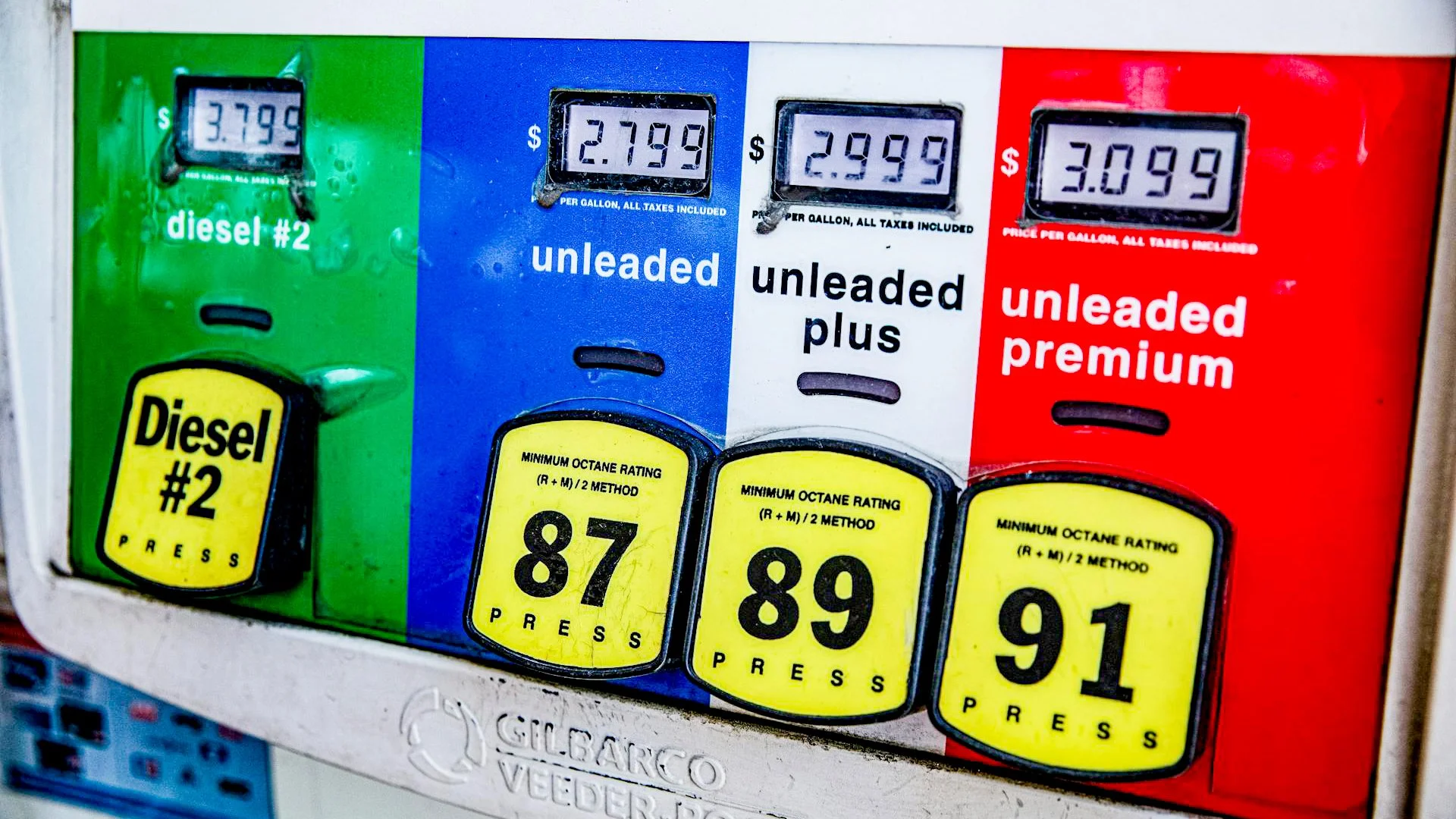
Gasoline Spike: The single most powerful factor was the price of gasoline, which skyrocketed 11.8 percent. This single item accounted for a massive 60 percent of the rise in final demand goods prices.
Broad Energy Rise: The overall index for final demand energy climbed 3.5 percent.
Food Costs: Prices for final demand foods also added to the pressure, advancing 1.1 percent, driven by increases in meats and ethanol.
Even when stripping away the headline volatility, the pressure was still evident. The measure for final demand goods less food and energy increased by 0.2 percent, indicating broad-based but more moderate inflation across the industrial sector, including areas like motor vehicles and equipment.
Services Sector Stalls, Masking Underlying Strength
In contrast to the scorching goods sector, the final demand services index was unchanged in September. While a flat reading might suggest cooling, the details show mixed signals:
Transportation Rises: Prices for transportation and warehousing services climbed 0.8 percent, boosted by a notable 4.0 percent increase in airline passenger services. This signals higher operating costs being passed on in the logistics chain.
Trade Margins Decline: This increase was fully offset by a 0.2 percent decline in margins for final demand trade services (wholesaling and retailing).


The Federal Reserve's Headache: Core PPI Eases
A major point of interest for monetary policy makers—such as the Federal Reserve—is the core PPI, specifically the index for final demand less foods, energy, and trade services. This "super core" measure is often seen as the best gauge of underlying inflation stickiness.
This core index edged up just 0.1 percent in September, a moderation from the 0.3 percent rise in August.
On an annual basis, this core measure rose 2.9 percent.
This mixed picture—a hot headline PPI driven by volatile energy versus a cooling core PPI—creates a dilemma for the Fed. Does the central bank focus on the persistent core, suggesting their restrictive policies are working, or do they react to the energy surge that threatens to bleed into consumer expectations? The market’s reaction to the USD hinges entirely on this interpretation.
The Macro Picture for Aspiring Traders
For those engaged in Forex trading, economic releases like the PPI are powerful fundamental drivers. Understanding how this data influences the US Dollar (USD) is paramount, as the USD is the primary currency in pairs like EUR/USD and GBP/USD.
When the PPI shows rising producer costs, it generally boosts the expectation of higher consumer inflation (CPI), which in turn, increases the likelihood that the Federal Reserve will maintain or even raise interest rates. Higher interest rates typically strengthen the domestic currency. Therefore, the higher-than-expected headline PPI initially provides a bullish signal for the USD.
However, the moderate core PPI figure (up just 0.1%) suggests underlying inflation pressure may be easing, which could argue for the Fed to pause or cut rates sooner. This conflicting data causes volatility and provides opportunities for advanced technical analysis. For those still mastering the basics, this complexity underscores the need for robust education in Forex Trading for Beginners. Institutions focused on providing reliable market education, such as GME Academy (Global Markets Eruditio), emphasize analyzing the components of reports, not just the headline figures.
The ultimate direction of the USD will depend on subsequent data releases, particularly the upcoming Consumer Price Index (CPI), and the subsequent commentary from Fed officials.
Don't let economic reports leave you guessing about the market's direction.
Understanding the nuances of the Producer Price Index and its impact on the USD is a critical skill for any serious trader. Learn how to translate raw economic data into actionable trading decisions.
Ready to move beyond the headlines and truly master the mechanics of the market?
Join us for our FREE Forex Workshop where we teach the fundamentals of economic analysis and trading strategies. Click below to secure your spot!
