

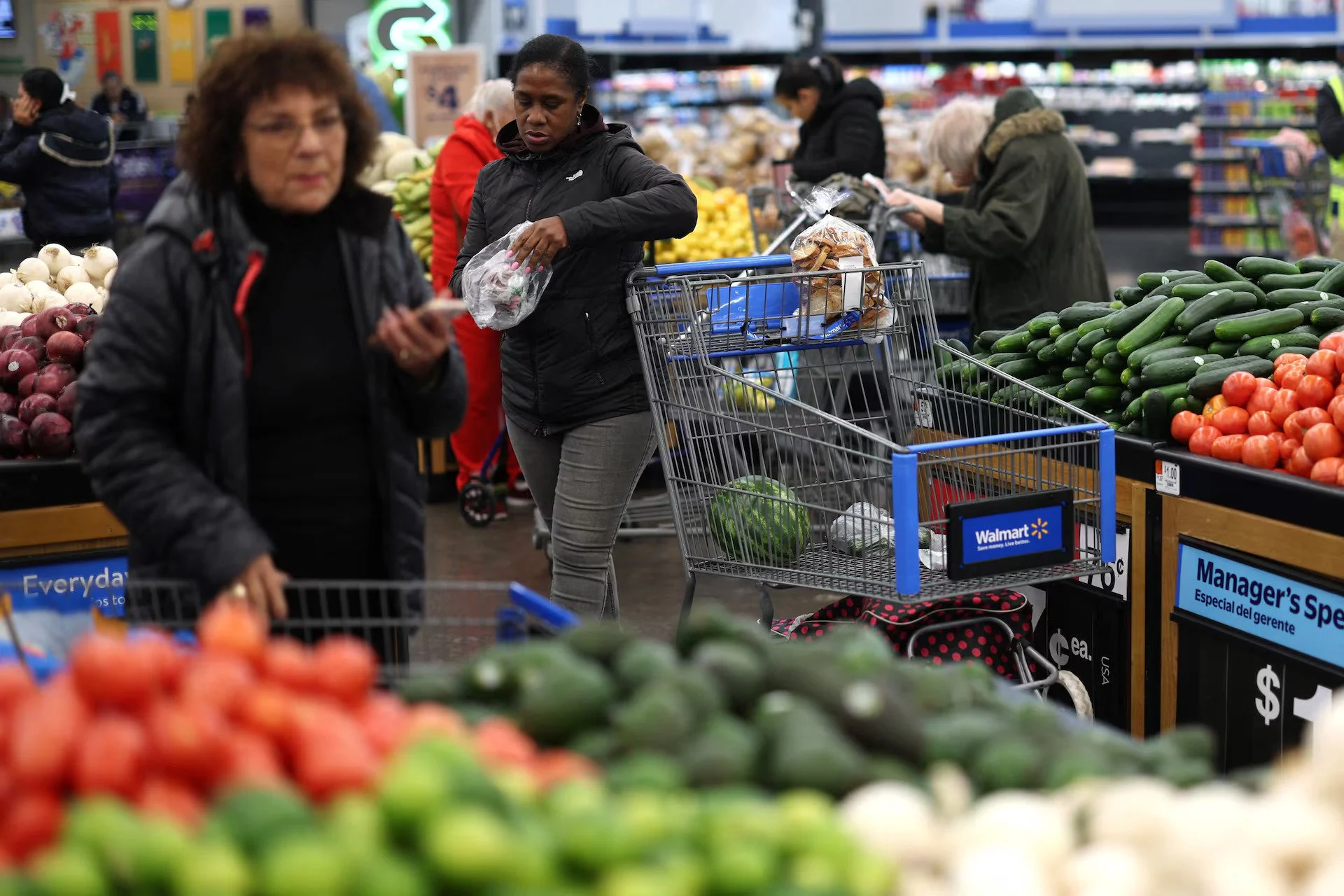
Inflation’s Mixed Signal: U.S. Producer Prices Rise 0.5% in January as Service Margins Jump
The U.S. Bureau of Labor Statistics reported on Friday, February 27, 2026, that the Producer Price Index (PPI) for final demand increased by 0.5% in January.

A Republic in Shadow: Death of Ayatollah Khamenei Shakes the Middle East
The Islamic Republic of Iran has been plunged into an existential crisis following the confirmed death of Ayatollah Ali Khamenei, the 86-year-old Supreme Leader who has governed the nation with an iron fist for nearly four decades.
PBoC Slashes FX Risk Reserves: China Moves to Curb Yuan Strength and Boost Liquidity
In a significant policy shift aimed at easing the upward pressure on the Renminbi, the People’s Bank of China (PBoC) announced on Friday, February 27, 2026, that it will eliminate the foreign exchange risk reserve ratio for forward sales. Starting March 2, 2026, the ratio will be lowered from 20% to 0%.

Strait of Hormuz Paralysis: Araghchi Denies Closure as Tanker Attacks Trigger Global Oil Panic
In a day of extreme volatility for global energy markets, Iranian Foreign Minister Abbas Araghchi issued a formal statement on Monday, March 2, 2026, asserting that the Islamic Republic has "no intention" of closing the Strait of Hormuz.

Diplomatic Breakthrough in Geneva: Oman Reports "Significant Progress" in US-Iran Talks
The U.S. labor market continues to exhibit remarkable resilience in the face of restrictive monetary policy. According to the Department of Labor’s report released on Thursday, February 26, 2026, seasonally adjusted initial unemployment claims rose to 212,000 for the week ending February 21.
U.S. Labor Market Holds Firm: Initial Jobless Claims Rise Slightly to 212,000
The U.S. labor market continues to exhibit remarkable resilience in the face of restrictive monetary policy. According to the Department of Labor’s report released on Thursday, February 26, 2026, seasonally adjusted initial unemployment claims rose to 212,000 for the week ending February 21.
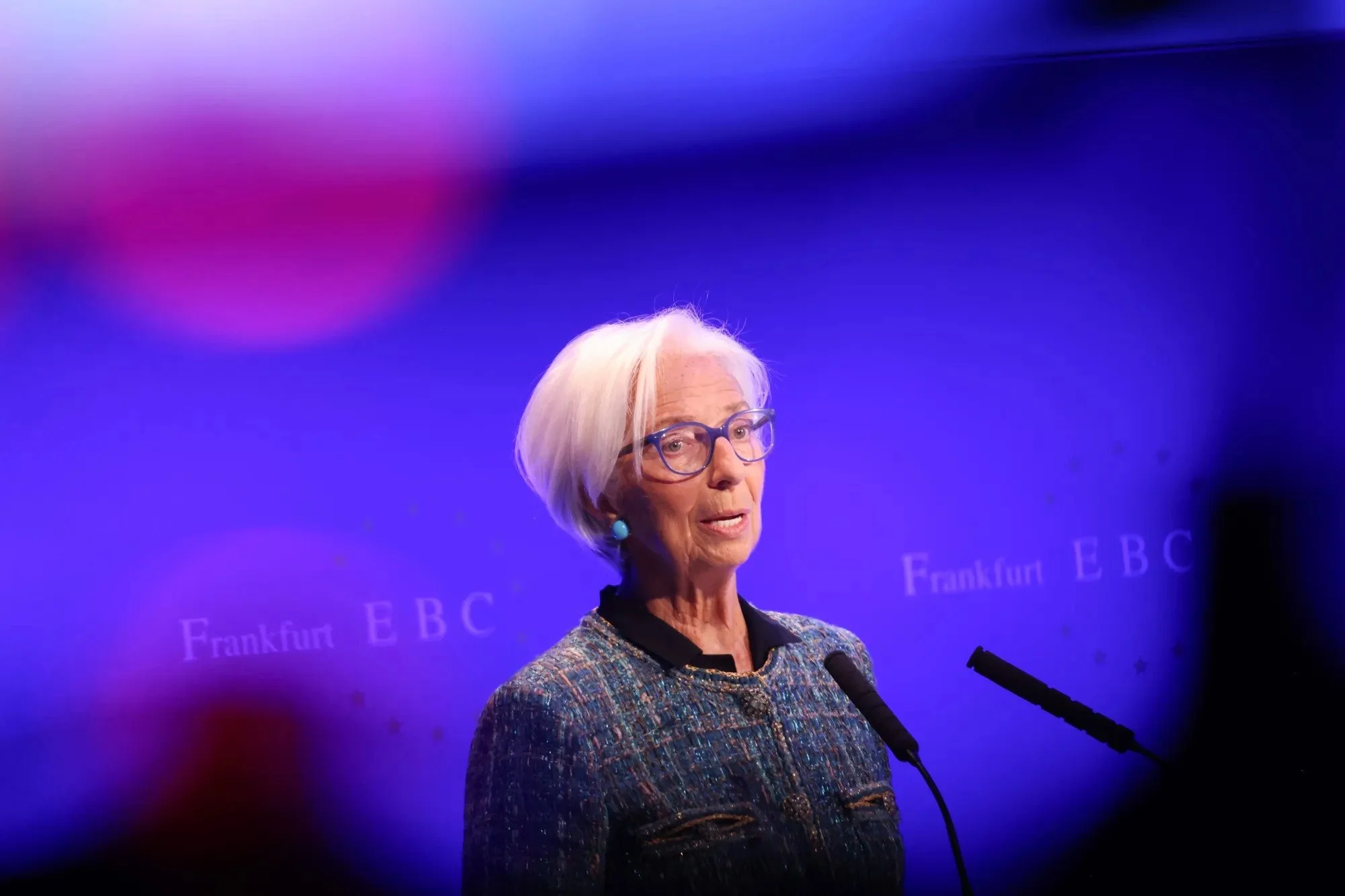
Unlocking the Sleeping Giant: Christine Lagarde’s Vision for Europe’s "Scale" Economy
In a landmark address delivered at the 42nd Annual NABE Economic Policy Conference in Washington, D.C., on February 23, 2026, ECB President Christine Lagarde accepted the Paul A. Volcker Lifetime Achievement Award.
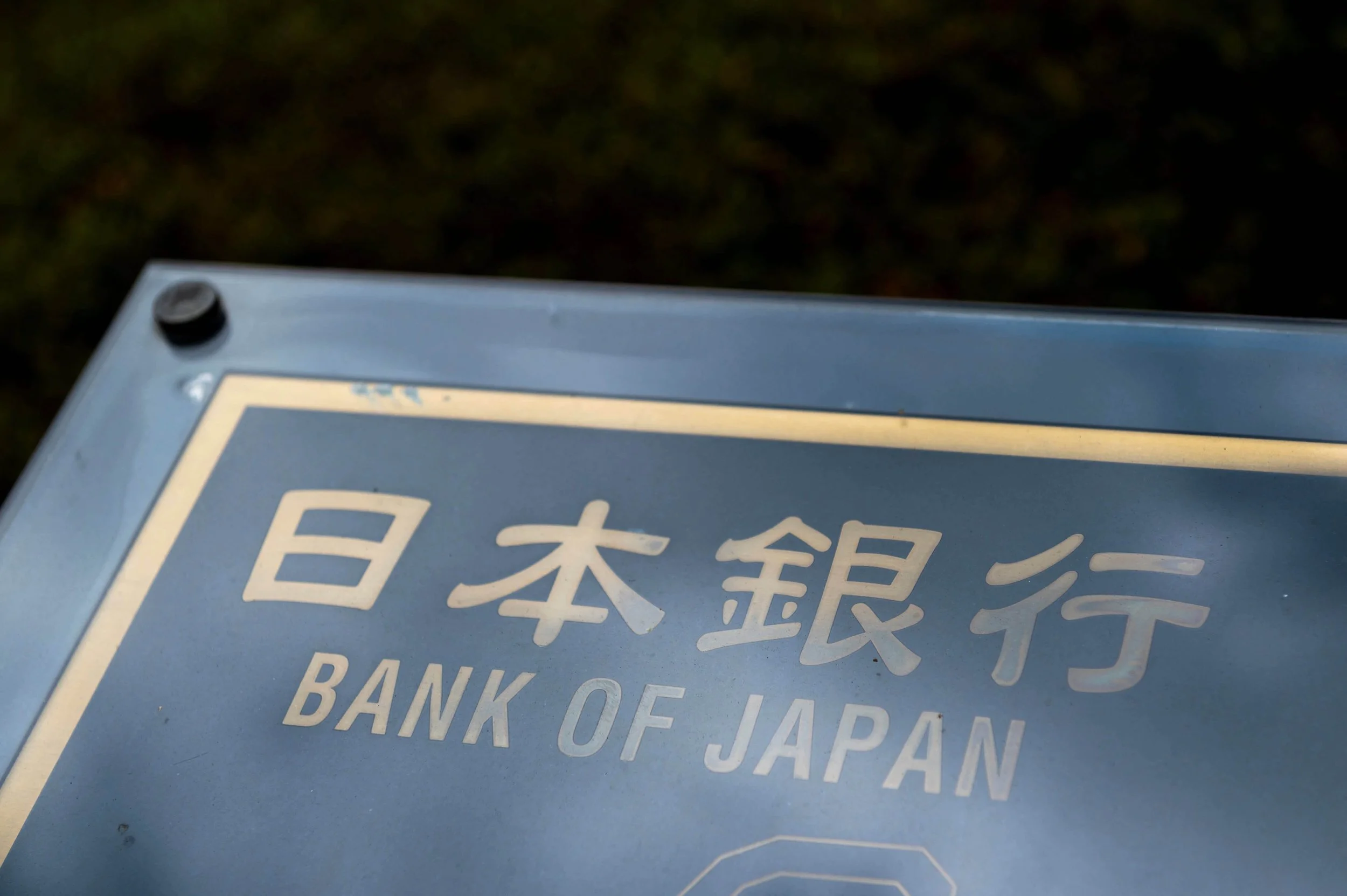
The Arrival of the "True Dawn": BOJ’s Hajime Takata on Japan’s Monetary Pivot
In a comprehensive address to local leaders in Kyoto, Hajime Takata, Member of the Policy Board of the Bank of Japan (BOJ), signaled a historic shift in Japan’s economic narrative.
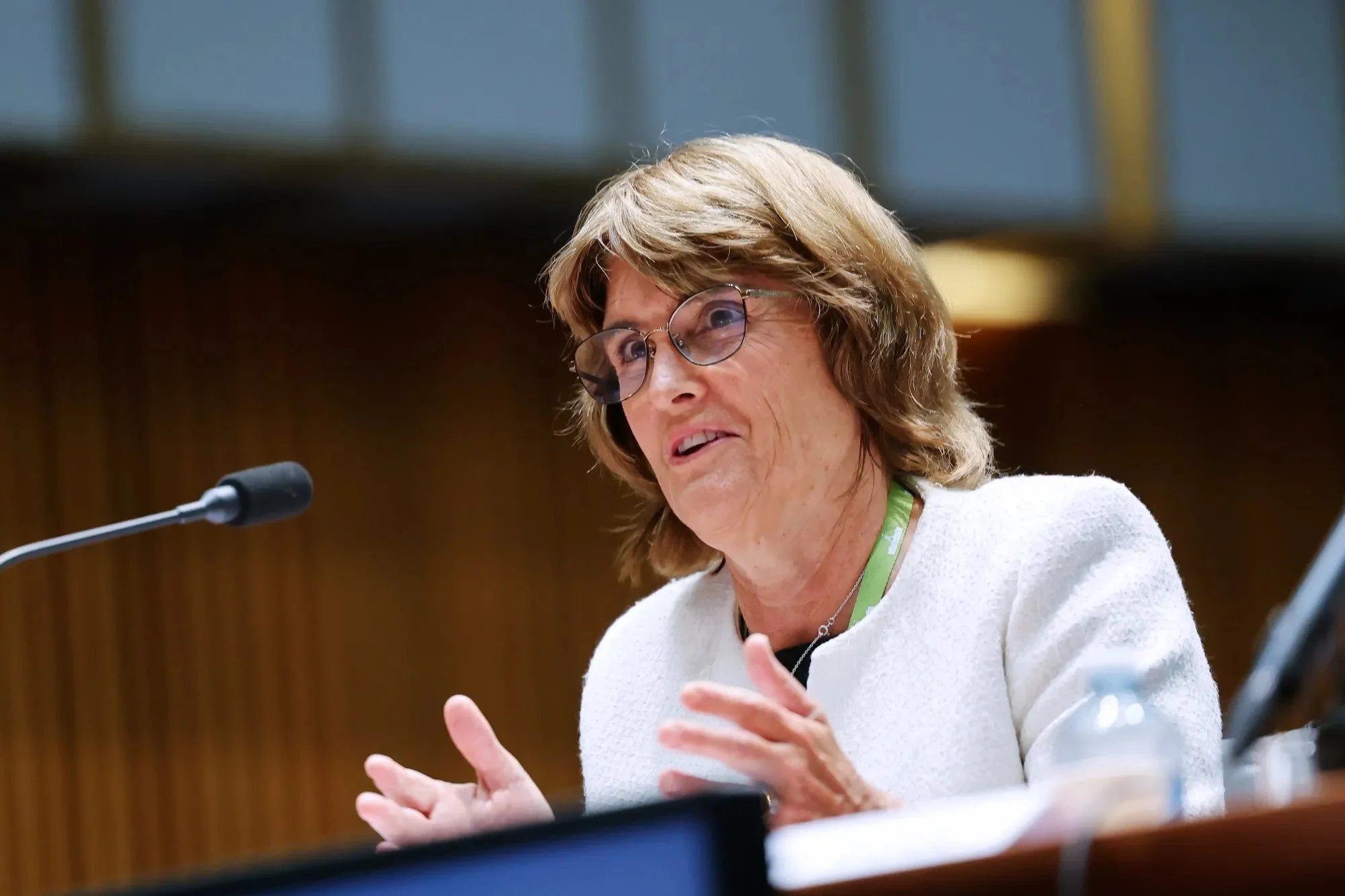
RBA Governor Bullock Calls for "Patience" as Policy Shifts to Restrictive Stance
Reserve Bank of Australia (RBA) Governor Michele Bullock has signaled a period of cautious observation for the nation's monetary policy, following the central bank's recent decision to hike interest rates to 3.85%.
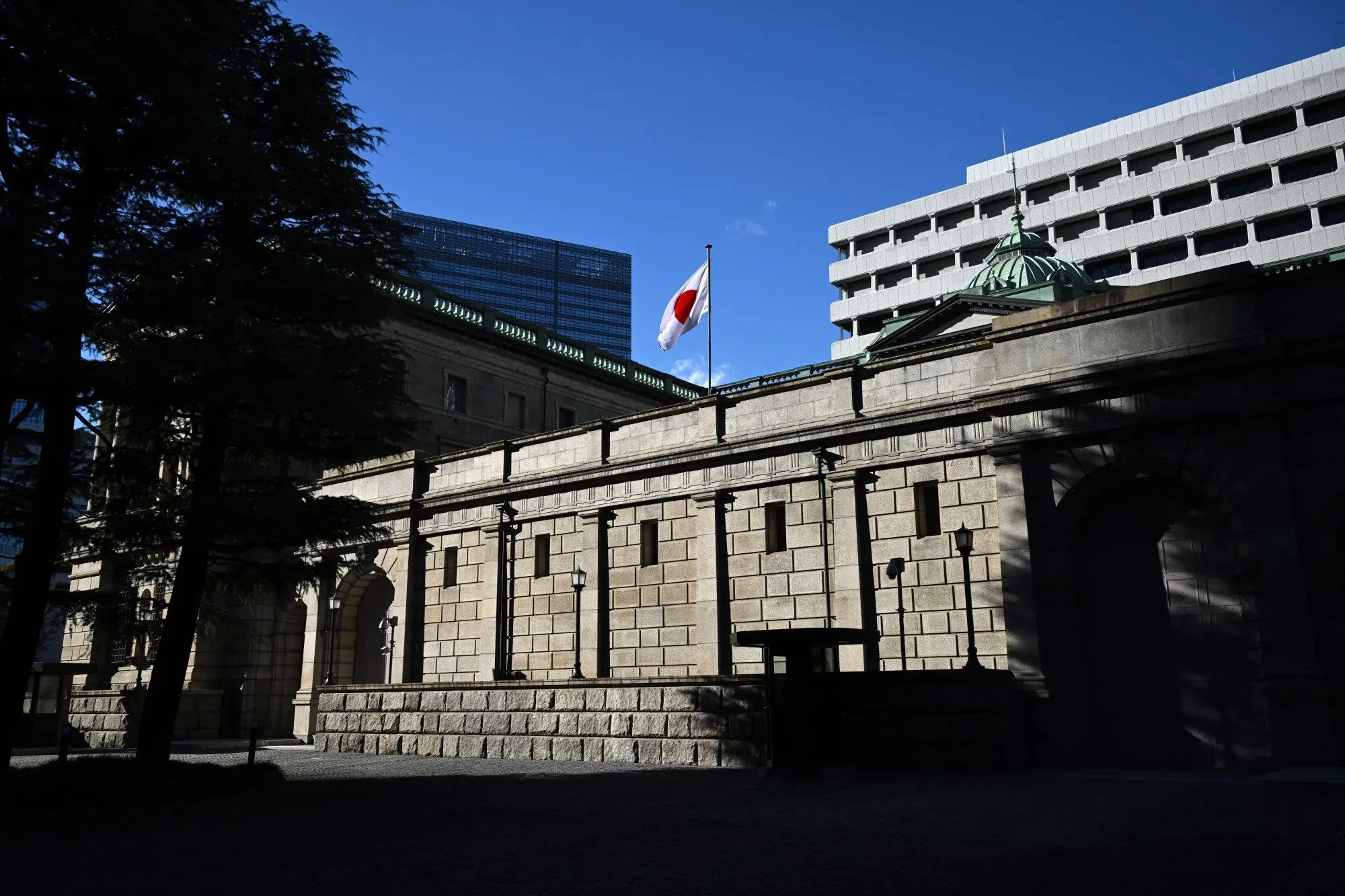
A New Slate: Japan Nominates Toichiro Asada and Ayano Sato to Bank of Japan Policy Board
The Japanese government formally took the next step in shaping the future of its monetary policy on Wednesday, February 25, 2026, by nominating two new members to the Bank of Japan’s (BOJ) nine-member Policy Board.
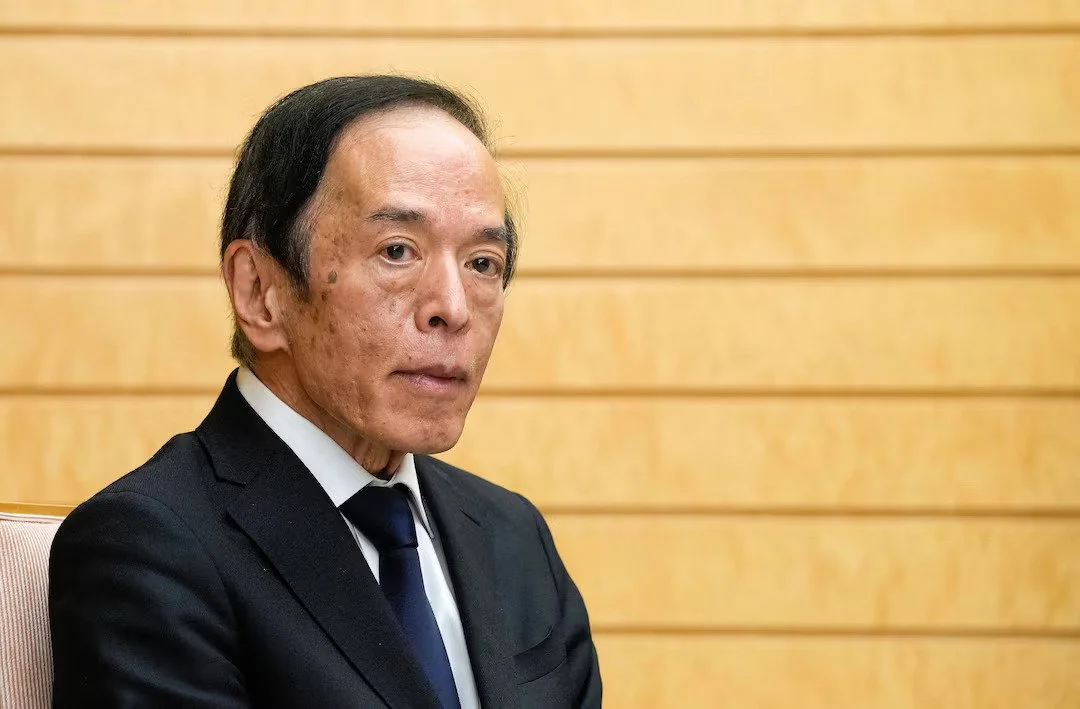
Policy Independence Stressed: Japan’s Deputy Chief Cabinet Secretary Ozaki Defers to BOJ on Monetary Specifics
In a move to reinforce the separation between government fiscal policy and central bank operations, Japan’s Deputy Chief Cabinet Secretary Ozaki stated on February 25, 2026, that the specifics of monetary policy will be left entirely to the Bank of Japan (BOJ).
Australian Inflation Sticks at 3.8%: Electricity Surge Offsets Cooling Services
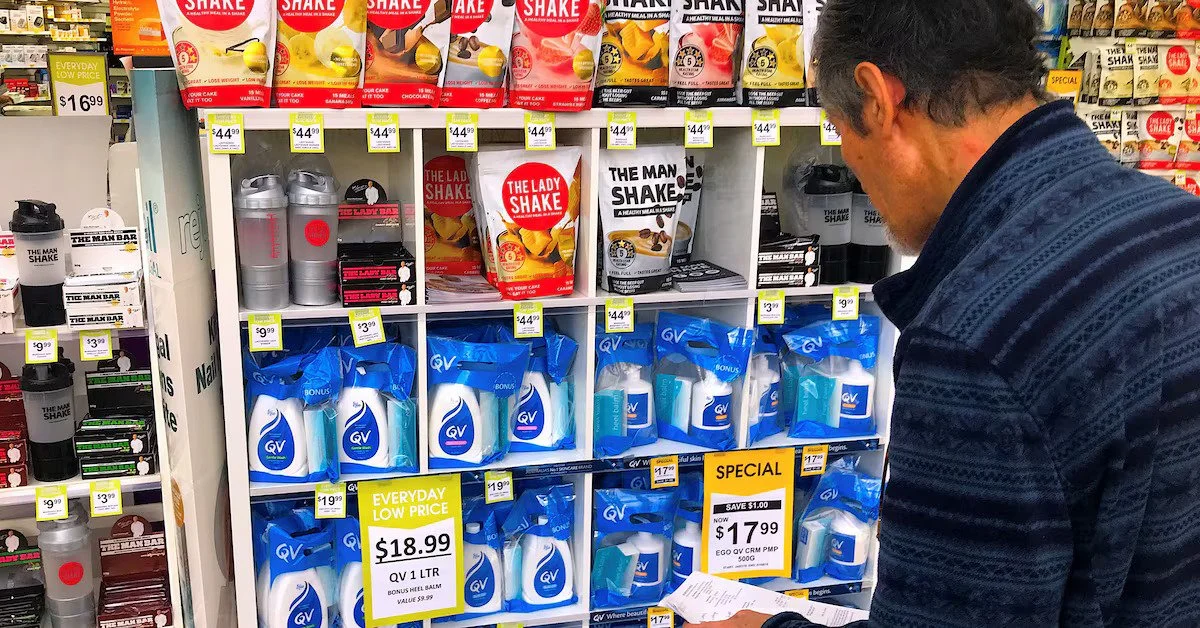
The Reserve Bank of Australia’s (RBA) battle against rising prices hit a stubborn patch in early 2026. According to the latest Consumer Price Index (CPI) data released on Wednesday, February 25, 2026, annual inflation held steady at 3.8% for the 12 months to January, matching the December 2025 figure.
Germany’s Engine Restarts: Manufacturing Breaks 44-Month Slump as PMI Hits 53.1
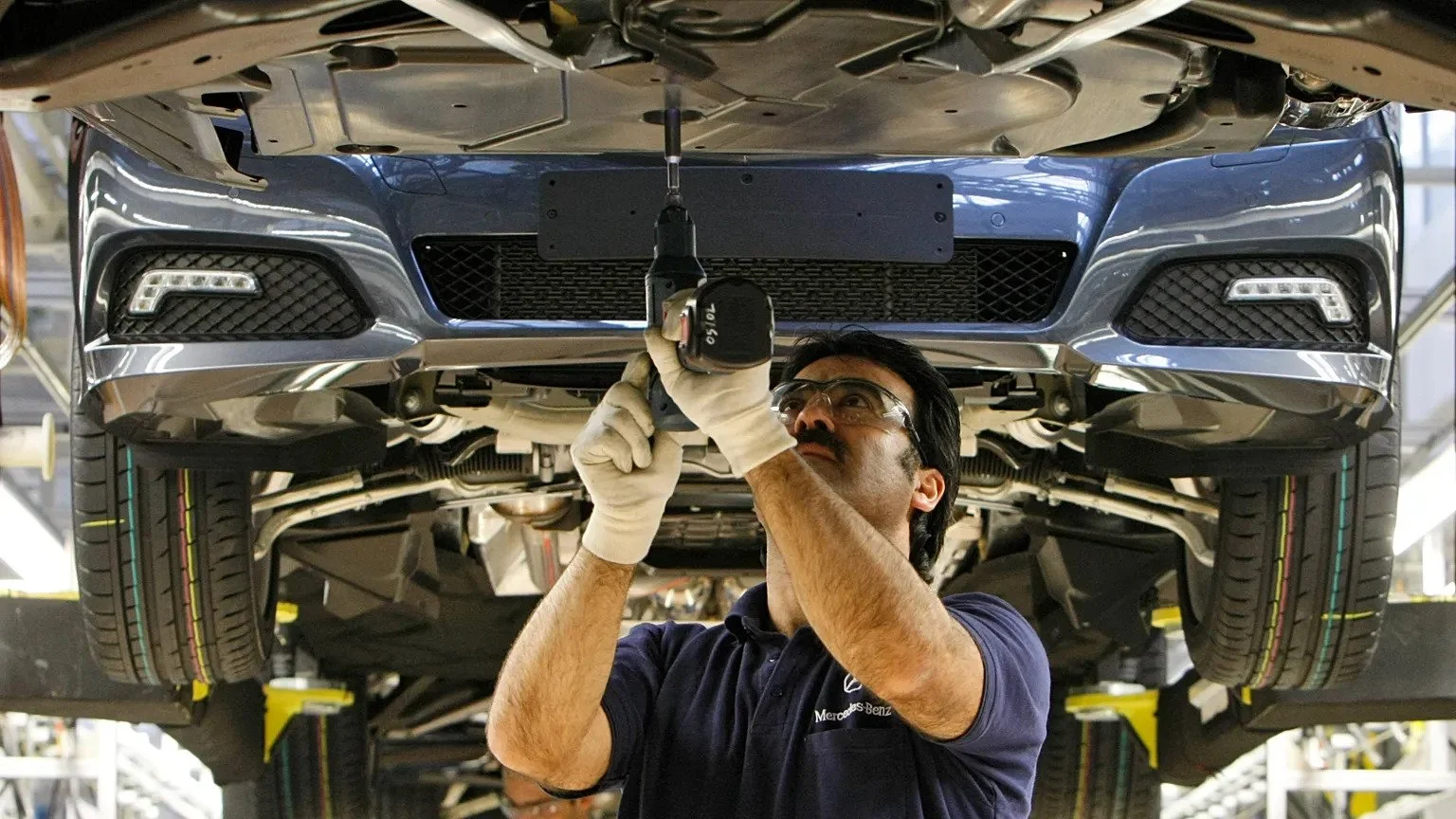
After nearly four years of industrial stagnation, the "powerhouse of Europe" has finally signaled a definitive turnaround. According to the HCOB Flash Germany PMI data released on February 23, 2026, business activity growth accelerated to a four-month high in February
UK Growth Hits 22-Month High: Manufacturing Rebound Ignites Economy Despite Jobs "Chill"
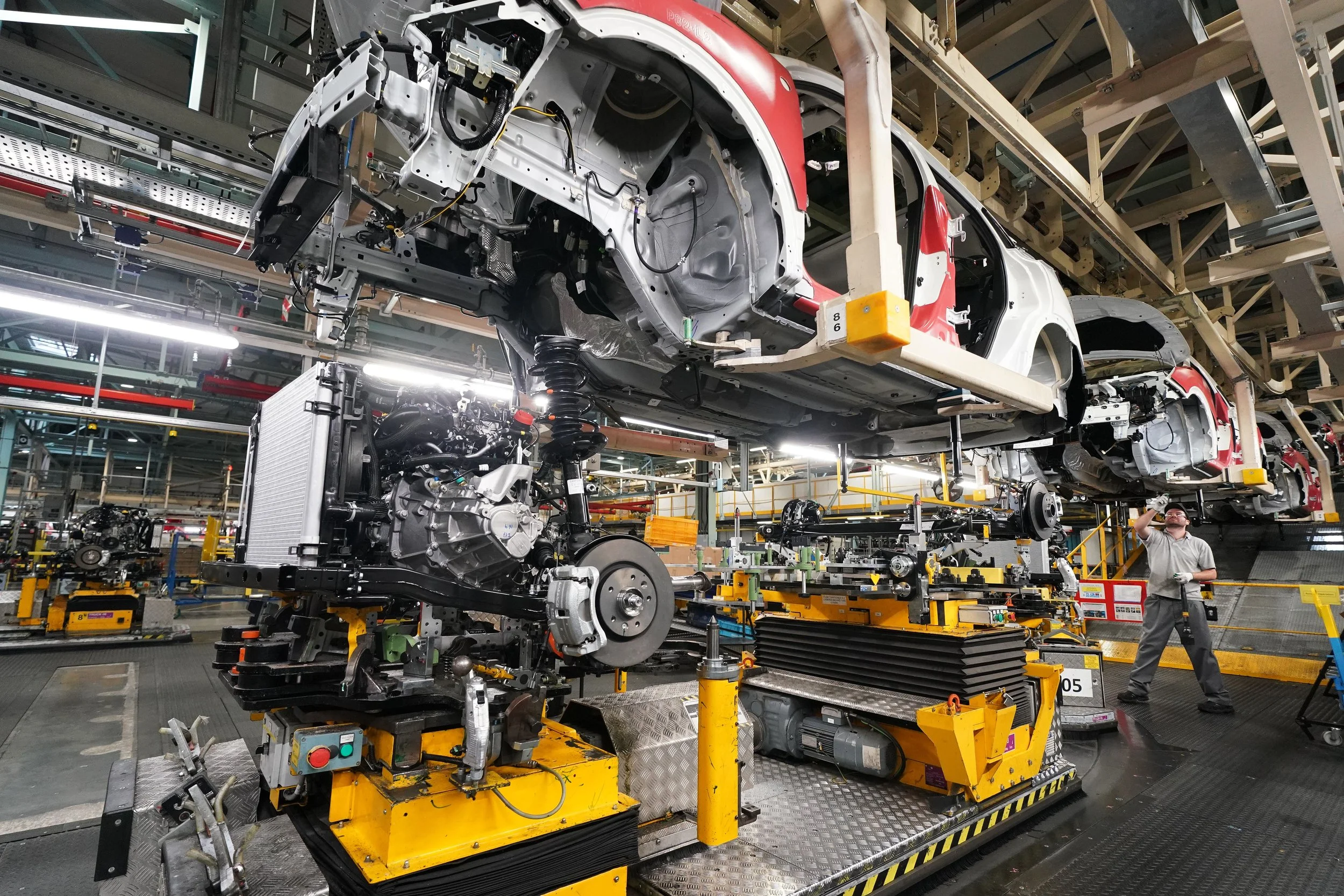
The British economy is gathering significant steam as it heads into the spring of 2026. According to the latest S&P Global Flash UK PMI data released on February 23, 2026, private sector output growth accelerated to its fastest pace in nearly two years.

Europe’s "Sleeping Giant" Awakens: Lagarde Lays Out a New Growth Model
In a landmark speech delivered in Washington D.C. on February 23, 2026, ECB President Christine Lagarde accepted the Paul A. Volcker Lifetime Achievement Award with a defiant message: Europe is shedding its reputation for "dreaded working groups" and inertia.
Signal or Noise? Fed Governor Waller Questions "Stale" January Jobs Data
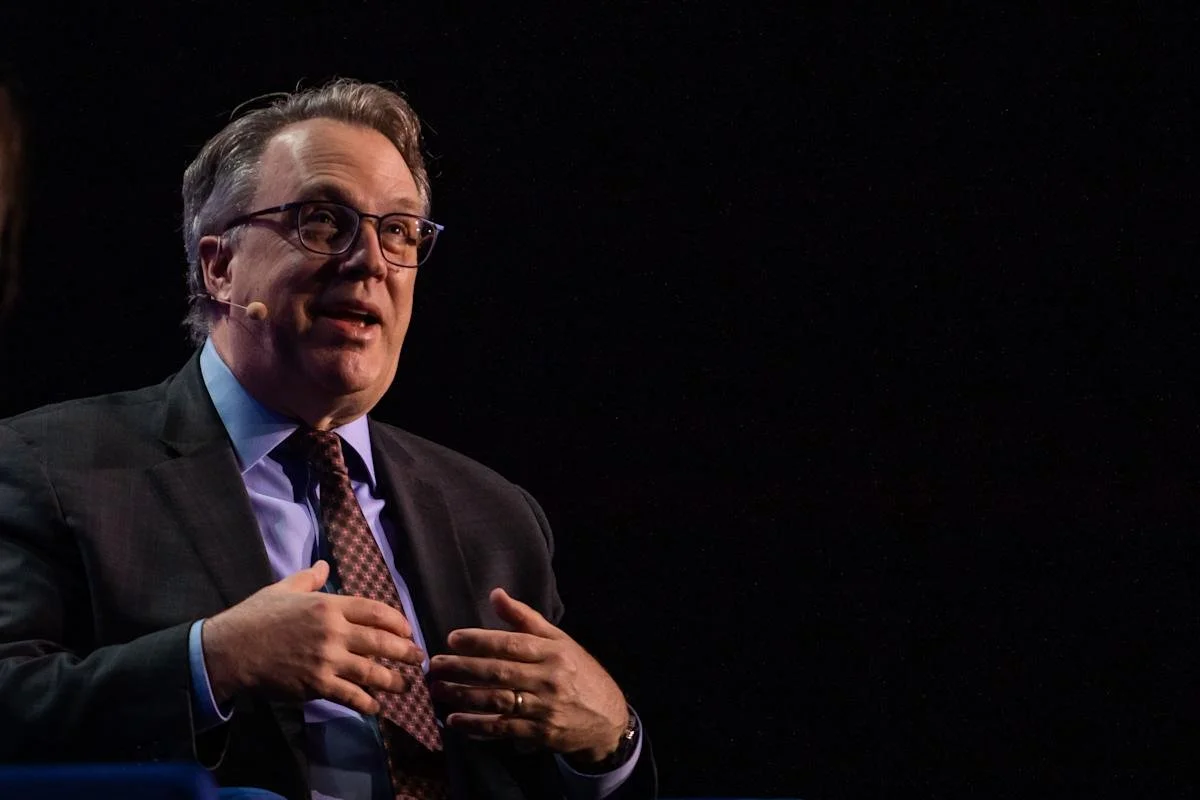
In a high-stakes address at the National Association for Business Economics (NABE) on February 23, 2026, Federal Reserve Governor Christopher J. Waller provided a candid roadmap for the FOMC’s March meeting.

The Inflation Pinch: U.S. Spending Outpaces Income as Savings Rate Dips
The American consumer faced a challenging balancing act in the final month of 2025. According to the Bureau of Economic Analysis (BEA) report released on Monday, February 23, 2026, personal spending grew faster than income in December, while "sticky" inflation continued to erode the purchasing power of households.
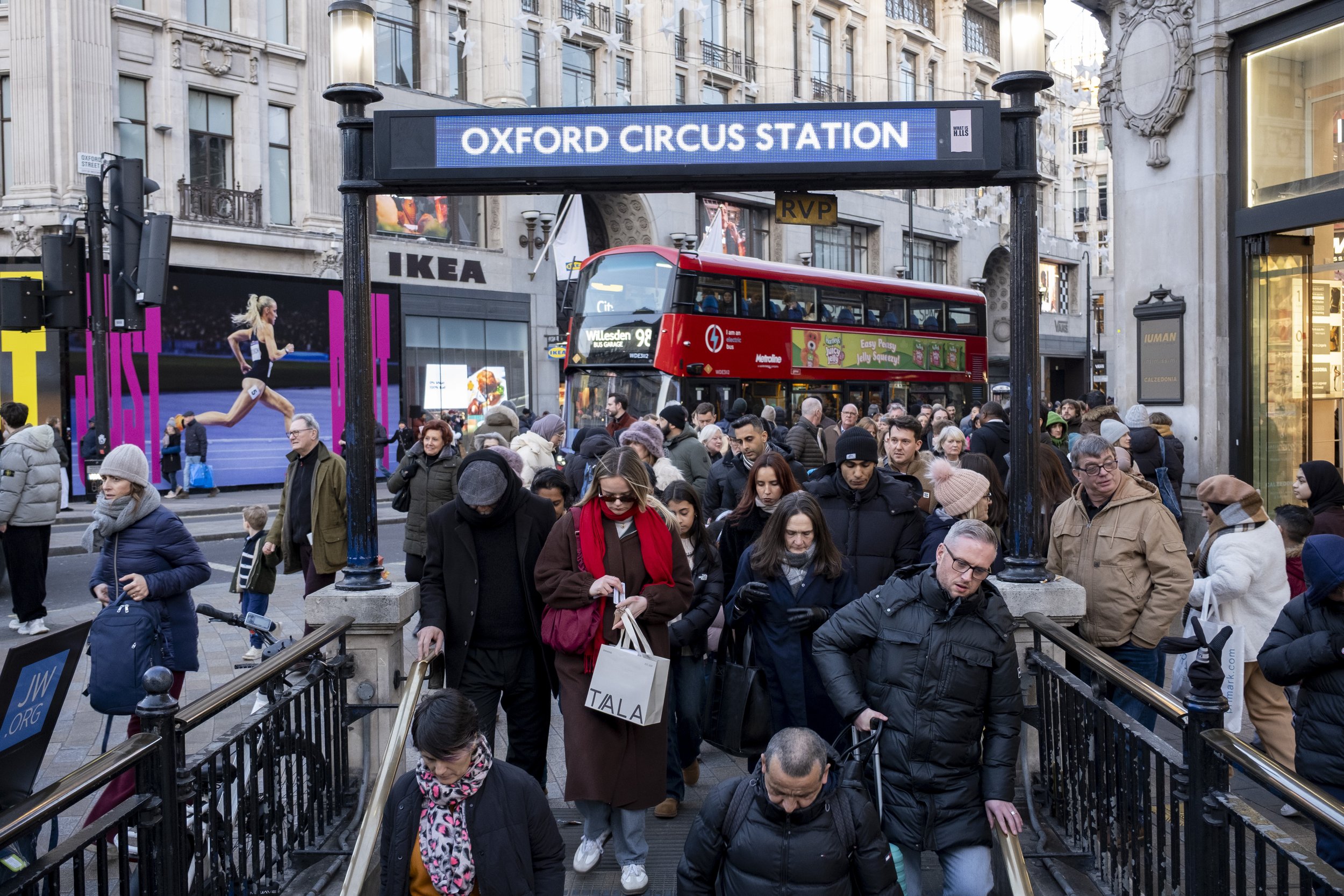
Art and Antiques Drive UK Retail to Strongest Monthly Jump Since 2024
The British consumer started 2026 with an unexpected burst of energy, as retail sales volumes surged by 1.8% in January.

The Great Freeze: Canada Retail Sales Slip in December as "Year of the Car" Ends
The Canadian consumer appears to be entering a defensive crouch as 2025 comes to a close. According to Statistics Canada data released on Monday, February 23, 2026, retail sales decreased 0.4 percent to $70.0 billion in December.
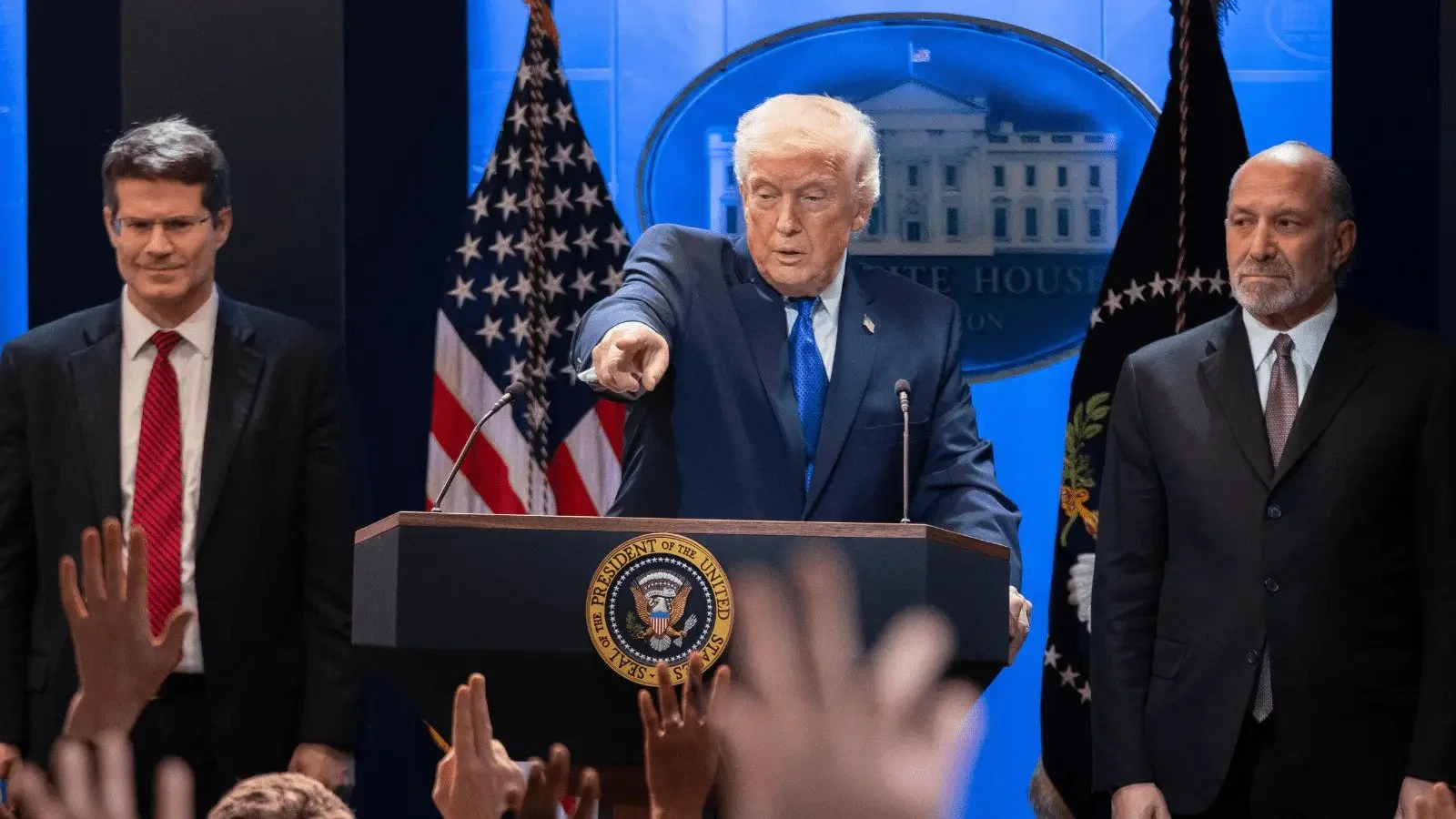
“Greater Than Ever”: Trump Defies Supreme Court, Hikes Global Tariffs to 15%
In a move that has sent shockwaves through global financial markets and set the stage for a historic constitutional showdown, President Donald J. Trump announced on Sunday, February 22, 2026, that he is immediately raising his signature worldwide tariff from 10% to 15%.