

Strategic Alignment: Xi to Trump, US-China Ties Maintain 'Positive Momentum' Post-Busan
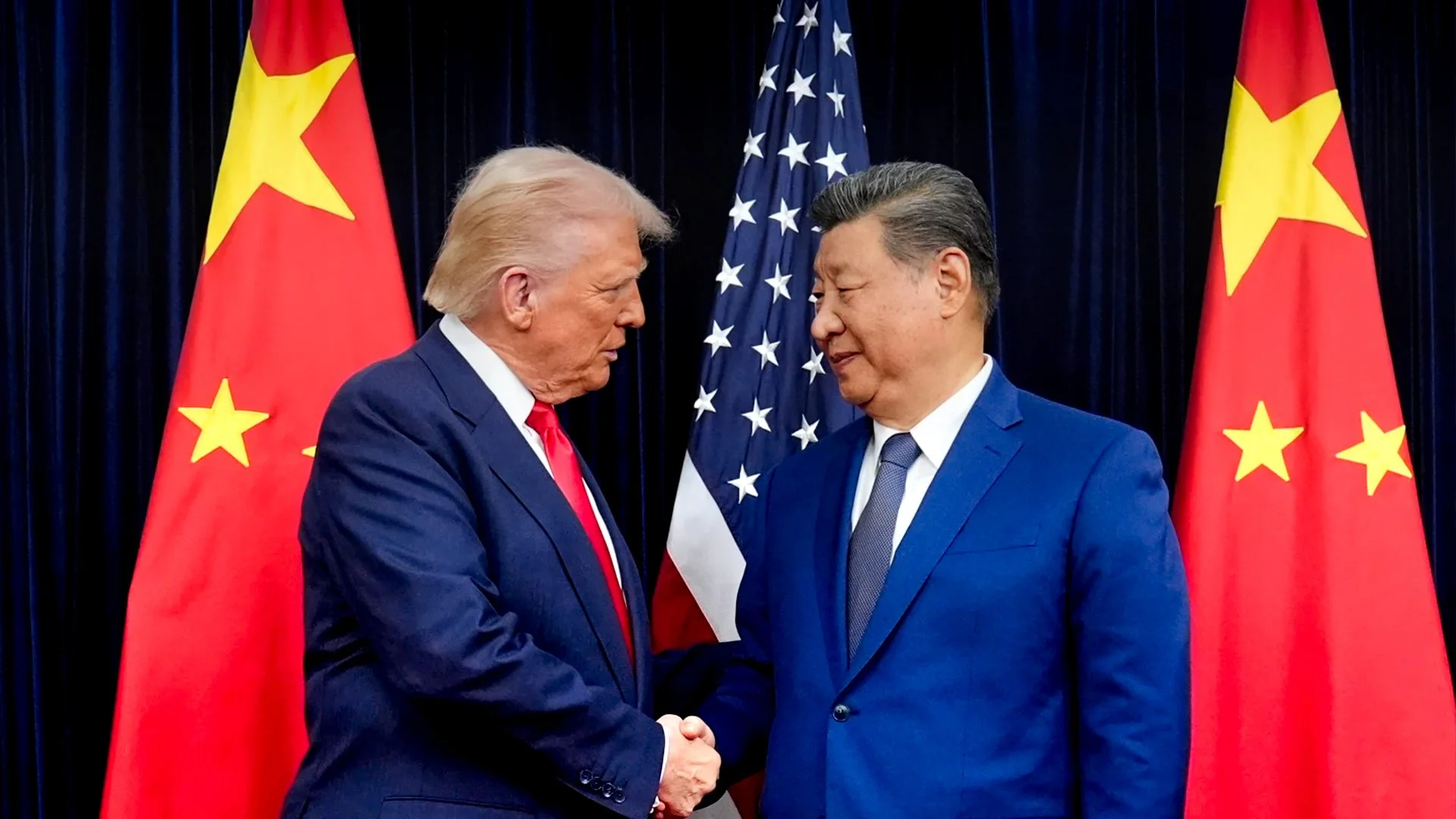
Chinese President Xi Jinping told U.S. President Donald Trump in a phone call on Monday, November 24, 2025, that the complex relationship between the two global powers has successfully maintained a "steady and positive trajectory" since their landmark meeting in Busan, South Korea, last month.
The call, reported by the official Xinhua news agency, underscores both nations’ desire to manage friction and stabilize the geopolitical environment. President Xi stressed the need for both sides to continue building on the consensus reached during the Busan Summit on October 30, 2025—their first in-person meeting in six years—to ensure the relationship moves forward in the "right direction." The market-stabilizing effect of this diplomatic engagement has been a critical factor for global economic confidence following years of escalating tariffs and sanctions.
Pursuing New Space for Cooperation
President Xi characterized the Busan meeting as a successful effort to "recalibrate the course of the giant ship of China-U.S. relations," providing necessary breathing room and sending a positive signal to the world.
The core message from Beijing focused on mutual benefit and expanding areas of common ground:
Maintain Momentum: The stability achieved since Busan is welcomed by both countries and the global community, proving that cooperation benefits both sides, while confrontation is mutually detrimental.
Adhere to Principles: Xi emphasized that bilateral ties should proceed based on the foundations of equality, respect, and mutual benefit.
Expand Cooperation: Xi called on the two sides to actively "lengthen the list of cooperation and shorten the list of problems," striving for greater progress and seeking to "open new space for cooperation" that benefits both peoples and the world.
Upcoming Visits: President Trump confirmed the implementation of agreements reached in Busan, including trade concessions and reciprocal presidential visits scheduled for 2026. This forward-looking roadmap further solidifies the current tactical truce.
The stability between the world’s two largest economies directly impacts global markets, influencing everything from supply chains to the valuation of major currency pairs. When diplomatic tensions ease, volatility tends to decrease, reinforcing the stability and liquidity of the Forex market—the world’s largest financial arena.
The Enduring Stance on Taiwan
Despite the overall positive tone focused on de-escalation and economic stability, President Xi used the call to forcefully reiterate China's principled position on the Taiwan question.
Xi reportedly stressed that Taiwan's return to China is an integral part of the post-war international order, citing the joint fight of China and the U.S. against "fascism and militarism" during World War II. He stated that in the current geopolitical climate, it is even more vital for the two sides to jointly safeguard the victory of that war. This historical framing attempts to place Beijing's claim over the self-governed island within the context of established international boundaries.
The call occurs amid heightened regional tensions, particularly following strong commentary from Japan's Prime Minister regarding potential military involvement in a Taiwan crisis. The Chinese readout noted that President Trump affirmed that the U.S. "understands how important the Taiwan question is to China," a statement that, while ambiguous, is viewed by Beijing as a strategic acknowledgement.


The Call for Strategic Alignment and Preparation
The complex dance between the world's major powers highlights a core economic and political truth: long-term success is built on a foundation of strategic alignment and meticulous risk management. Both the U.S. and China are prioritizing stability to allow their domestic economies to pursue development goals, reflecting a highly calculated approach to global competition.
For individuals navigating the financial markets, this geopolitical stability is vital, directly impacting investment flows and the trading environment for Forex Trading. Economic developments and central bank policies in both the U.S. and China fundamentally drive global exchange rates, from the strength of the USD to the dynamics of the EUR/USD and other high-stakes pairs like the GBP/JPY.
Mastering the skill of assessing global risk and aligning trading strategy with these macro trends is the hallmark of professional Forex Trading. This is the specialized expertise taught at institutions like Global Markets Eruditio (GME Academy), which focuses on turning market awareness into disciplined action for students, particularly Forex Trading for Beginners.
Ready to move past basic speculation and embrace the disciplined, strategic trading principles that lead to financial security?
Join our FREE Forex Workshop today and receive the professional training required to master risk management and strategic entry/exit points in the global Forex market. Secure your future by mastering the art of strategic capital deployment!
