

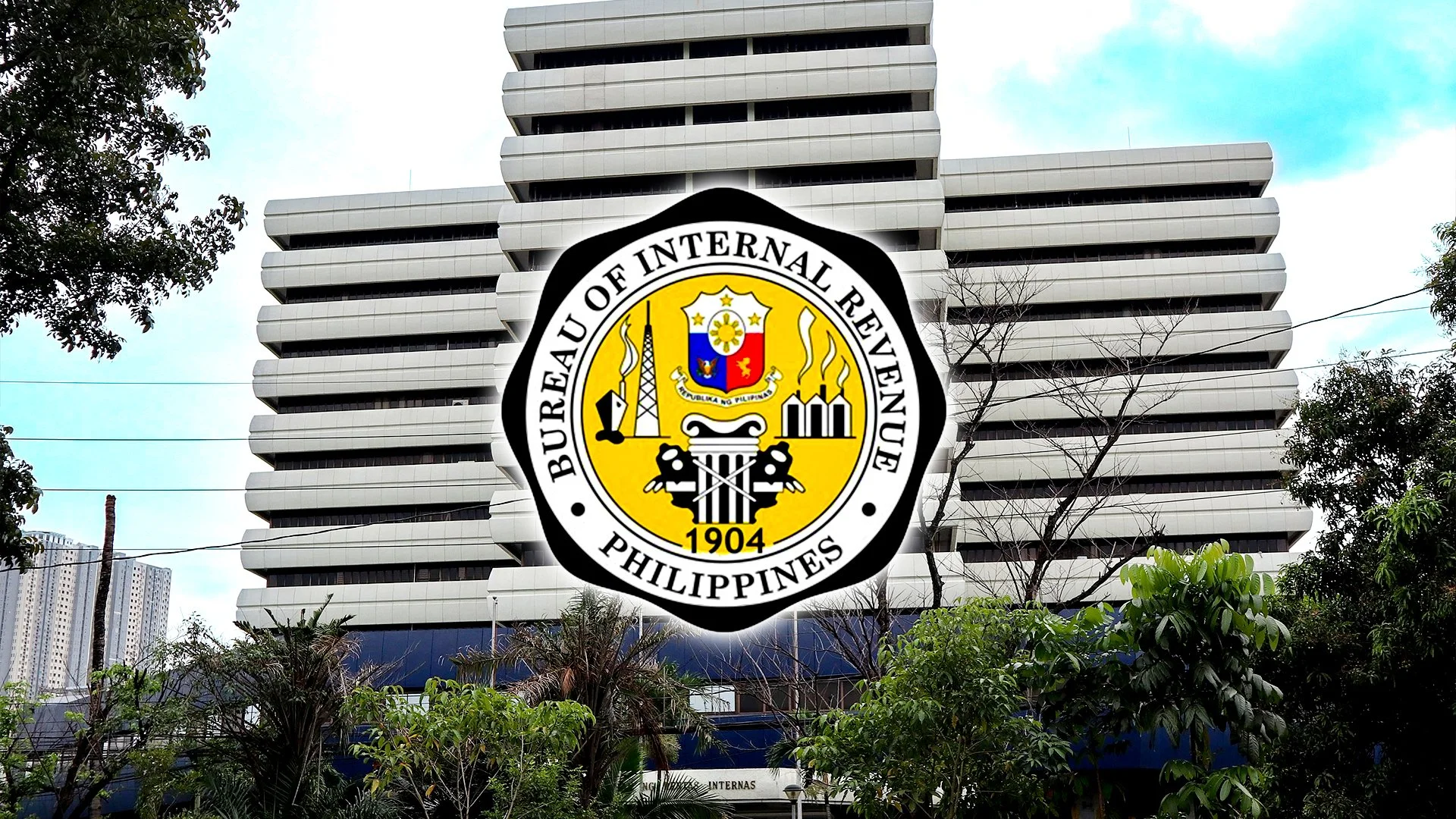
The integrity of the Philippines' revenue collection system has been thrust into the spotlight following alarming allegations that a massive money-making scheme is being run from within the Bureau of Internal Revenue (BIR). The claims suggest that revenue officers and regional directors are "weaponizing" official documents—Letters of Authority (LOAs)—to facilitate corruption and extortion, potentially costing the government billions in lost public funds.
The revelation, disclosed by Senator Joseph Victor "JV" Ejercito, indicated that of the total revenue projected or collected via these tax audit notices, only about 30 percent is remitted to the government, with the remaining 70 percent allegedly going into the pockets of unscrupulous officials.
Palace Commits to Immediate Investigation
Responding to the gravity of the allegations, Malacañang swiftly promised a thorough investigation. Presidential Communications Office (PCO) Undersecretary and Palace Press Officer Claire Castro stressed that the executive branch expects authorities to act immediately on the matter.
“Dapat imbestigahan. Kung meron ganyang mga nakita, na-report, hindi dapat makalipas ’to. Pa-iimbestigahan ’to (This should be investigated. If such incidents were seen or reported, they cannot be ignored. This will be investigated),” Castro told reporters.
The Palace press officer categorically dismissed suggestions that the administration is focused only on infrastructure-related anomalies, emphasizing that corruption in any sector is unacceptable and warrants decisive government action. This commitment signals that the probe will not be limited, raising the prospect of sweeping reforms in the nation's primary tax agency.
When questioned whether the alleged racket was connected to the recent removal of former BIR Commissioner Romeo Lumagui Jr., Castro stated that she had received no information to confirm such a link. Regardless of the reason for the change in leadership, the pressure is now squarely on the BIR and justice authorities to restore public trust and the integrity of tax enforcement.
The Weaponization of the LOA
The core of the alleged scheme lies in the misuse of the Letter of Authority (LOA). An LOA is an official document that grants a revenue officer the legal power to examine and audit a taxpayer's books of accounts and records. It is a powerful tool designed to ensure tax compliance and generate essential revenue.
According to Senator Ejercito, the magnitude of the problem is substantial, citing reports from local and international business chambers, including American and European representatives, who have complained of harassment by BIR personnel using the LOA as a means of extortion.
The claimed loss rate of 70 percent is particularly alarming. If projected collections from these LOAs are indeed falling short by this margin, the financial damage to the national treasury—already burdened by debt and in need of revenue to finance key programs—is immense. For example, if the BIR projects collecting ₱6 billion to ₱8 billion from LOAs, but only remits ₱2 billion to ₱3 billion, the shortfall is a significant blow to the national budget.
Fiscal Integrity and the Global Investment View
Corruption, particularly in tax collection, is not just a domestic issue; it is a critical factor in global economic assessment. The success of government programs—from healthcare and education to much-needed infrastructure—depends directly on efficient and honest revenue collection.
High levels of perceived corruption, especially within vital agencies like the BIR, erode the confidence of both local and foreign investors. International rating agencies and investment houses closely monitor such governance issues, as they significantly influence a country's risk profile and credit rating.
For the currency markets, persistent corruption adds a layer of systemic risk that can dampen sentiment toward the Philippine Peso (PHP). When confidence in a country’s fiscal stability wanes due to massive revenue leakage, the Peso can face sustained downward pressure against stable major currencies like the US Dollar (USD). This is a crucial area of Forex Trading that goes beyond simple economic indicators. Understanding governance is essential Forex Trading for Beginners. Institutions like Global Markets Eruditio (GME Academy) emphasize that long-term currency movements are often driven by structural fundamentals, including institutional integrity and fiscal health.
The ongoing investigation into this LOA scheme is therefore not just a matter of domestic law enforcement; it is a direct test of the Philippines' commitment to fiscal integrity and maintaining its standing in the global economy.
Are You Trading Based on the Full Economic Picture?
Corruption and institutional integrity are powerful, non-quantifiable factors that significantly impact currency valuation against pairs like the USD. Don't limit your trading decisions to just interest rates and GDP.
Learn how to integrate complex fundamental factors, like governance and fiscal health, into your market analysis.
Join the GME Academy community today and sign up for our FREE Forex Workshop. Gain the deep understanding needed to anticipate market reactions to headline-making news.
